{"title":"成人神经胶质瘤患者清醒手术后的神经心理学结果:一项系统综述。","authors":"Laura Amores-Carrera, Isabel Martín-Monzón","doi":"10.1093/nop/npaf075","DOIUrl":null,"url":null,"abstract":"<p><strong>Background: </strong>Awake craniotomy is essential for glioma resection in functionally integrated brain regions, allowing real-time monitoring to reduce cognitive and emotional deficits. Although widely used, its long-term neuropsychological effects remain debated. This systematic review aims to investigate cognitive and emotional outcomes after awake brain surgery and the factors that influence recovery, including extent of resection, follow-up timing, and neural plasticity.</p><p><strong>Methods: </strong>This systematic review analyzes 34 studies on pre- and postoperative functional outcomes in glioma patients undergoing awake surgery. Following PRISMA guidelines, studies were selected with adult glioma patients (WHO grade I-IV) who had neuropsychological assessments before and after surgery. Data on preoperative cognitive profiles, recovery trajectories, and follow-up durations were examined, focusing on methodological consistency and assessment tools.</p><p><strong>Results: </strong>The findings demonstrated substantial variability in functional outcomes, with many patients recovering within 3 to 6 months post-surgery, while others experienced persistent deficits. Functional recovery was influenced not only by the extent of tumor resection but also by network-level reorganization. Methodological inconsistencies in neuropsychological assessments highlighted the need for standardized, personalized evaluation protocols, emphasizing the importance of comprehensive functional assessments.</p><p><strong>Conclusions: </strong>This review emphasizes the shift from a localized cortical approach to a dynamic, network-based view of cognitive and emotional recovery. It calls for standardized, personalized neuropsychological assessments to optimize rehabilitation, along with extended follow-ups, and multidisciplinary care for long-term quality of life. Future research should refine assessment methods and strategies to better understand neuroplasticity and improve clinical outcomes in neuro-oncology.</p>","PeriodicalId":19234,"journal":{"name":"Neuro-oncology practice","volume":"13 1","pages":"23-47"},"PeriodicalIF":2.5000,"publicationDate":"2025-07-30","publicationTypes":"Journal Article","fieldsOfStudy":null,"isOpenAccess":false,"openAccessPdf":"https://www.ncbi.nlm.nih.gov/pmc/articles/PMC12965649/pdf/","citationCount":"0","resultStr":"{\"title\":\"Neuropsychological outcomes following awake surgery in adult glioma patients: A systematic review.\",\"authors\":\"Laura Amores-Carrera, Isabel Martín-Monzón\",\"doi\":\"10.1093/nop/npaf075\",\"DOIUrl\":null,\"url\":null,\"abstract\":\"<p><strong>Background: </strong>Awake craniotomy is essential for glioma resection in functionally integrated brain regions, allowing real-time monitoring to reduce cognitive and emotional deficits. Although widely used, its long-term neuropsychological effects remain debated. This systematic review aims to investigate cognitive and emotional outcomes after awake brain surgery and the factors that influence recovery, including extent of resection, follow-up timing, and neural plasticity.</p><p><strong>Methods: </strong>This systematic review analyzes 34 studies on pre- and postoperative functional outcomes in glioma patients undergoing awake surgery. Following PRISMA guidelines, studies were selected with adult glioma patients (WHO grade I-IV) who had neuropsychological assessments before and after surgery. Data on preoperative cognitive profiles, recovery trajectories, and follow-up durations were examined, focusing on methodological consistency and assessment tools.</p><p><strong>Results: </strong>The findings demonstrated substantial variability in functional outcomes, with many patients recovering within 3 to 6 months post-surgery, while others experienced persistent deficits. Functional recovery was influenced not only by the extent of tumor resection but also by network-level reorganization. Methodological inconsistencies in neuropsychological assessments highlighted the need for standardized, personalized evaluation protocols, emphasizing the importance of comprehensive functional assessments.</p><p><strong>Conclusions: </strong>This review emphasizes the shift from a localized cortical approach to a dynamic, network-based view of cognitive and emotional recovery. It calls for standardized, personalized neuropsychological assessments to optimize rehabilitation, along with extended follow-ups, and multidisciplinary care for long-term quality of life. Future research should refine assessment methods and strategies to better understand neuroplasticity and improve clinical outcomes in neuro-oncology.</p>\",\"PeriodicalId\":19234,\"journal\":{\"name\":\"Neuro-oncology practice\",\"volume\":\"13 1\",\"pages\":\"23-47\"},\"PeriodicalIF\":2.5000,\"publicationDate\":\"2025-07-30\",\"publicationTypes\":\"Journal Article\",\"fieldsOfStudy\":null,\"isOpenAccess\":false,\"openAccessPdf\":\"https://www.ncbi.nlm.nih.gov/pmc/articles/PMC12965649/pdf/\",\"citationCount\":\"0\",\"resultStr\":null,\"platform\":\"Semanticscholar\",\"paperid\":null,\"PeriodicalName\":\"Neuro-oncology practice\",\"FirstCategoryId\":\"1085\",\"ListUrlMain\":\"https://doi.org/10.1093/nop/npaf075\",\"RegionNum\":0,\"RegionCategory\":null,\"ArticlePicture\":[],\"TitleCN\":null,\"AbstractTextCN\":null,\"PMCID\":null,\"EPubDate\":\"2026/2/1 0:00:00\",\"PubModel\":\"eCollection\",\"JCR\":\"Q2\",\"JCRName\":\"CLINICAL NEUROLOGY\",\"Score\":null,\"Total\":0}","platform":"Semanticscholar","paperid":null,"PeriodicalName":"Neuro-oncology practice","FirstCategoryId":"1085","ListUrlMain":"https://doi.org/10.1093/nop/npaf075","RegionNum":0,"RegionCategory":null,"ArticlePicture":[],"TitleCN":null,"AbstractTextCN":null,"PMCID":null,"EPubDate":"2026/2/1 0:00:00","PubModel":"eCollection","JCR":"Q2","JCRName":"CLINICAL NEUROLOGY","Score":null,"Total":0}
Neuropsychological outcomes following awake surgery in adult glioma patients: A systematic review.
Background: Awake craniotomy is essential for glioma resection in functionally integrated brain regions, allowing real-time monitoring to reduce cognitive and emotional deficits. Although widely used, its long-term neuropsychological effects remain debated. This systematic review aims to investigate cognitive and emotional outcomes after awake brain surgery and the factors that influence recovery, including extent of resection, follow-up timing, and neural plasticity.
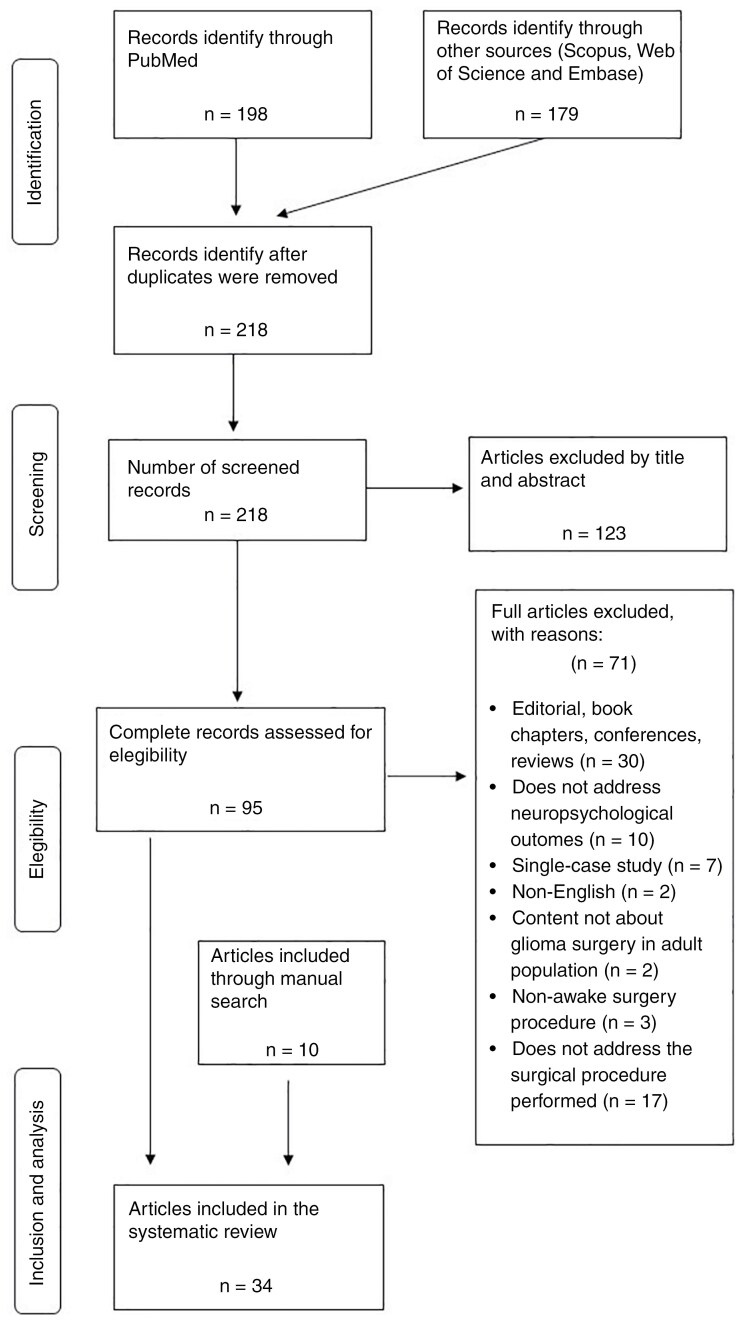
Methods: This systematic review analyzes 34 studies on pre- and postoperative functional outcomes in glioma patients undergoing awake surgery. Following PRISMA guidelines, studies were selected with adult glioma patients (WHO grade I-IV) who had neuropsychological assessments before and after surgery. Data on preoperative cognitive profiles, recovery trajectories, and follow-up durations were examined, focusing on methodological consistency and assessment tools.
Results: The findings demonstrated substantial variability in functional outcomes, with many patients recovering within 3 to 6 months post-surgery, while others experienced persistent deficits. Functional recovery was influenced not only by the extent of tumor resection but also by network-level reorganization. Methodological inconsistencies in neuropsychological assessments highlighted the need for standardized, personalized evaluation protocols, emphasizing the importance of comprehensive functional assessments.
Conclusions: This review emphasizes the shift from a localized cortical approach to a dynamic, network-based view of cognitive and emotional recovery. It calls for standardized, personalized neuropsychological assessments to optimize rehabilitation, along with extended follow-ups, and multidisciplinary care for long-term quality of life. Future research should refine assessment methods and strategies to better understand neuroplasticity and improve clinical outcomes in neuro-oncology.
期刊介绍:
Neuro-Oncology Practice focuses on the clinical aspects of the subspecialty for practicing clinicians and healthcare specialists from a variety of disciplines including physicians, nurses, physical/occupational therapists, neuropsychologists, and palliative care specialists, who have focused their careers on clinical patient care and who want to apply the latest treatment advances to their practice. These include: Applying new trial results to improve standards of patient care Translating scientific advances such as tumor molecular profiling and advanced imaging into clinical treatment decision making and personalized brain tumor therapies Raising awareness of basic, translational and clinical research in areas of symptom management, survivorship, neurocognitive function, end of life issues and caregiving


 求助内容:
求助内容: 应助结果提醒方式:

 京公网安备 11010802042870号


