{"title":"空心纳米结构:材料工程、纳米化学和生物医学应用","authors":"Sandip Ghosh , Chia-Jung Yang , Jui-Yang Lai","doi":"10.1016/j.pmatsci.2025.101634","DOIUrl":null,"url":null,"abstract":"<div><div>The realm of drug delivery has traditionally centered on the exploration of structural and compositional characteristics of solid nanomaterials. Recent investigations have illuminated the significance of voids within nanomaterials, underscoring their multidimensional characteristics. In particular, the hollow nanostructures or nanoarchitectures, characterized by their porous/nonporous shells and empty interiors, possess unique advantages for the confinement of therapeutic agents and biomolecules, facilitating targeted delivery through functionalization with active ligands. Despite considerable strides in research surrounding these advanced materials, the overarching organization of existing studies remains suboptimal. Unlike existing review literature, this balanced review article aims to establish a coherent and progressive framework for the development of advanced hollow nanostructures by addressing critical design and engineering strategies applicable in the field of nanomedicine and theranostics. A selection of seminal works has been integrated to provide foundational knowledge, while ensuring that the application sections reflect the latest developments in the field, the literature examined is restricted to high-quality publications from the preceding five years. Additionally, this review includes a commentary on patents and clinical implications. Our findings suggest that hollow nanostructures exhibit substantial potential for future biomedical applications, thereby warranting further investigation and development in this promising domain.</div></div>","PeriodicalId":411,"journal":{"name":"Progress in Materials Science","volume":"158 ","pages":"Article 101634"},"PeriodicalIF":42.9000,"publicationDate":"2026-04-01","publicationTypes":"Journal Article","fieldsOfStudy":null,"isOpenAccess":false,"openAccessPdf":"","citationCount":"0","resultStr":"{\"title\":\"Hollow nanoarchitectures: Materials engineering, nanochemistry, and biomedical applications\",\"authors\":\"Sandip Ghosh , Chia-Jung Yang , Jui-Yang Lai\",\"doi\":\"10.1016/j.pmatsci.2025.101634\",\"DOIUrl\":null,\"url\":null,\"abstract\":\"<div><div>The realm of drug delivery has traditionally centered on the exploration of structural and compositional characteristics of solid nanomaterials. Recent investigations have illuminated the significance of voids within nanomaterials, underscoring their multidimensional characteristics. In particular, the hollow nanostructures or nanoarchitectures, characterized by their porous/nonporous shells and empty interiors, possess unique advantages for the confinement of therapeutic agents and biomolecules, facilitating targeted delivery through functionalization with active ligands. Despite considerable strides in research surrounding these advanced materials, the overarching organization of existing studies remains suboptimal. Unlike existing review literature, this balanced review article aims to establish a coherent and progressive framework for the development of advanced hollow nanostructures by addressing critical design and engineering strategies applicable in the field of nanomedicine and theranostics. A selection of seminal works has been integrated to provide foundational knowledge, while ensuring that the application sections reflect the latest developments in the field, the literature examined is restricted to high-quality publications from the preceding five years. Additionally, this review includes a commentary on patents and clinical implications. Our findings suggest that hollow nanostructures exhibit substantial potential for future biomedical applications, thereby warranting further investigation and development in this promising domain.</div></div>\",\"PeriodicalId\":411,\"journal\":{\"name\":\"Progress in Materials Science\",\"volume\":\"158 \",\"pages\":\"Article 101634\"},\"PeriodicalIF\":42.9000,\"publicationDate\":\"2026-04-01\",\"publicationTypes\":\"Journal Article\",\"fieldsOfStudy\":null,\"isOpenAccess\":false,\"openAccessPdf\":\"\",\"citationCount\":\"0\",\"resultStr\":null,\"platform\":\"Semanticscholar\",\"paperid\":null,\"PeriodicalName\":\"Progress in Materials Science\",\"FirstCategoryId\":\"88\",\"ListUrlMain\":\"https://www.sciencedirect.com/science/article/pii/S0079642525002142\",\"RegionNum\":1,\"RegionCategory\":\"材料科学\",\"ArticlePicture\":[],\"TitleCN\":null,\"AbstractTextCN\":null,\"PMCID\":null,\"EPubDate\":\"2025/12/10 0:00:00\",\"PubModel\":\"Epub\",\"JCR\":\"Q1\",\"JCRName\":\"MATERIALS SCIENCE, MULTIDISCIPLINARY\",\"Score\":null,\"Total\":0}","platform":"Semanticscholar","paperid":null,"PeriodicalName":"Progress in Materials Science","FirstCategoryId":"88","ListUrlMain":"https://www.sciencedirect.com/science/article/pii/S0079642525002142","RegionNum":1,"RegionCategory":"材料科学","ArticlePicture":[],"TitleCN":null,"AbstractTextCN":null,"PMCID":null,"EPubDate":"2025/12/10 0:00:00","PubModel":"Epub","JCR":"Q1","JCRName":"MATERIALS SCIENCE, MULTIDISCIPLINARY","Score":null,"Total":0}
Hollow nanoarchitectures: Materials engineering, nanochemistry, and biomedical applications
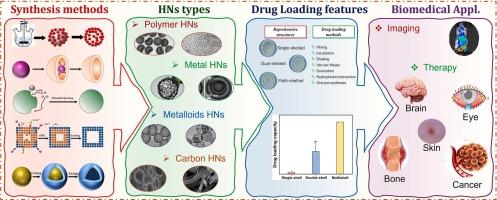
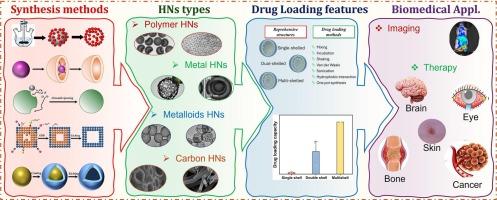
The realm of drug delivery has traditionally centered on the exploration of structural and compositional characteristics of solid nanomaterials. Recent investigations have illuminated the significance of voids within nanomaterials, underscoring their multidimensional characteristics. In particular, the hollow nanostructures or nanoarchitectures, characterized by their porous/nonporous shells and empty interiors, possess unique advantages for the confinement of therapeutic agents and biomolecules, facilitating targeted delivery through functionalization with active ligands. Despite considerable strides in research surrounding these advanced materials, the overarching organization of existing studies remains suboptimal. Unlike existing review literature, this balanced review article aims to establish a coherent and progressive framework for the development of advanced hollow nanostructures by addressing critical design and engineering strategies applicable in the field of nanomedicine and theranostics. A selection of seminal works has been integrated to provide foundational knowledge, while ensuring that the application sections reflect the latest developments in the field, the literature examined is restricted to high-quality publications from the preceding five years. Additionally, this review includes a commentary on patents and clinical implications. Our findings suggest that hollow nanostructures exhibit substantial potential for future biomedical applications, thereby warranting further investigation and development in this promising domain.
期刊介绍:
Progress in Materials Science is a journal that publishes authoritative and critical reviews of recent advances in the science of materials. The focus of the journal is on the fundamental aspects of materials science, particularly those concerning microstructure and nanostructure and their relationship to properties. Emphasis is also placed on the thermodynamics, kinetics, mechanisms, and modeling of processes within materials, as well as the understanding of material properties in engineering and other applications.
The journal welcomes reviews from authors who are active leaders in the field of materials science and have a strong scientific track record. Materials of interest include metallic, ceramic, polymeric, biological, medical, and composite materials in all forms.
Manuscripts submitted to Progress in Materials Science are generally longer than those found in other research journals. While the focus is on invited reviews, interested authors may submit a proposal for consideration. Non-invited manuscripts are required to be preceded by the submission of a proposal. Authors publishing in Progress in Materials Science have the option to publish their research via subscription or open access. Open access publication requires the author or research funder to meet a publication fee (APC).
Abstracting and indexing services for Progress in Materials Science include Current Contents, Science Citation Index Expanded, Materials Science Citation Index, Chemical Abstracts, Engineering Index, INSPEC, and Scopus.