Optimized green extraction of flavonoids from Lycium barbarum leaves using betaine-ethylene glycol NADES: Mechanisms, identification, and bioactivity

IF 10.4 1区 农林科学 Q1 CHEMISTRY, APPLIED
Food Chemistry Pub Date : 2026-09-15 Epub Date: 2026-06-22 DOI:10.1016/j.foodchem.2026.150149
Ya-Jie Yuan, Zhen Liu, Yu-Ru Wang, Xin-Yue Zhang, Qian Ma, Cen Xiang, Jun-Wei Yu, Yu-Ou Teng
{"title":"Optimized green extraction of flavonoids from Lycium barbarum leaves using betaine-ethylene glycol NADES: Mechanisms, identification, and bioactivity","authors":"Ya-Jie Yuan,&nbsp;Zhen Liu,&nbsp;Yu-Ru Wang,&nbsp;Xin-Yue Zhang,&nbsp;Qian Ma,&nbsp;Cen Xiang,&nbsp;Jun-Wei Yu,&nbsp;Yu-Ou Teng","doi":"10.1016/j.foodchem.2026.150149","DOIUrl":null,"url":null,"abstract":"<div><div>The study employed a natural deep eutectic solvent (NADES) to extract flavonoids from <em>Lycium barbarum</em> leaves (LBL) in order to overcome the limitations of conventional solvents. Betaine-ethylene glycol (NADES-11) was identified as the optimal solvent and following process optimisation, the TFC reached 123.94 ± 1.04 mg RE/g (1.92-fold higher than 70% ethanol). FT-IR, SEM and intermolecular interaction calculations revealed that the stable hydrogen-bond network within NADES-11 confers it with high extraction efficiency. The purified extract (PLLF) was identified as containing 21 flavonoid and phenolic compounds, which exhibit potent antioxidant and anti-aging activities through multi-component synergistic effects. NADES-11 maintained a relative extraction rate of over 90% after three cycles, demonstrating excellent environmental sustainability and economic viability. The study provides a sustainable strategy for LBL flavonoid valorization, supporting the potential applications as natural antioxidants and anti-aging agents for functional foods, cosmetics, and pharmaceuticals.</div></div>","PeriodicalId":318,"journal":{"name":"Food Chemistry","volume":"523 ","pages":"Article 150149"},"PeriodicalIF":10.4000,"publicationDate":"2026-09-15","publicationTypes":"Journal Article","fieldsOfStudy":null,"isOpenAccess":false,"openAccessPdf":"","citationCount":"0","resultStr":null,"platform":"Semanticscholar","paperid":null,"PeriodicalName":"Food Chemistry","FirstCategoryId":"97","ListUrlMain":"https://www.sciencedirect.com/science/article/pii/S0308814626023083","RegionNum":1,"RegionCategory":"农林科学","ArticlePicture":[],"TitleCN":null,"AbstractTextCN":null,"PMCID":null,"EPubDate":"2026/6/22 0:00:00","PubModel":"Epub","JCR":"Q1","JCRName":"CHEMISTRY, APPLIED","Score":null,"Total":0}
引用次数: 0

Abstract

The study employed a natural deep eutectic solvent (NADES) to extract flavonoids from Lycium barbarum leaves (LBL) in order to overcome the limitations of conventional solvents. Betaine-ethylene glycol (NADES-11) was identified as the optimal solvent and following process optimisation, the TFC reached 123.94 ± 1.04 mg RE/g (1.92-fold higher than 70% ethanol). FT-IR, SEM and intermolecular interaction calculations revealed that the stable hydrogen-bond network within NADES-11 confers it with high extraction efficiency. The purified extract (PLLF) was identified as containing 21 flavonoid and phenolic compounds, which exhibit potent antioxidant and anti-aging activities through multi-component synergistic effects. NADES-11 maintained a relative extraction rate of over 90% after three cycles, demonstrating excellent environmental sustainability and economic viability. The study provides a sustainable strategy for LBL flavonoid valorization, supporting the potential applications as natural antioxidants and anti-aging agents for functional foods, cosmetics, and pharmaceuticals.

Abstract Image

甜菜碱-乙二醇NADES优化枸杞叶黄酮类化合物的绿色提取:机理、鉴定及生物活性。
采用天然深共晶溶剂(NADES)提取枸杞叶中的黄酮类化合物,克服了传统溶剂的局限性。确定甜菜碱-乙二醇(NADES-11)为最佳溶剂,经工艺优化,TFC达到123.94±1.04 mg RE/g,比70%乙醇高1.92倍。傅里叶变换红外光谱(FT-IR)、扫描电镜(SEM)和分子间相互作用计算表明,NADES-11具有稳定的氢键网络,具有较高的萃取效率。纯化后的提取物(PLLF)含有21种类黄酮和酚类化合物,通过多组分协同作用具有较强的抗氧化和抗衰老活性。经过3次循环后,NADES-11的相对提取率保持在90%以上,具有良好的环境可持续性和经济可行性。该研究为LBL类黄酮增值提供了可持续的策略,支持了LBL类黄酮作为天然抗氧化剂和抗衰老剂在功能食品、化妆品和药物中的潜在应用。
本文章由计算机程序翻译,如有差异,请以英文原文为准。
求助全文
约1分钟内获得全文 求助全文
来源期刊
Food Chemistry
Food Chemistry 工程技术-食品科技
CiteScore
16.30
自引率
10.20%
发文量
3130
审稿时长
122 days
期刊介绍: Food Chemistry publishes original research papers dealing with the advancement of the chemistry and biochemistry of foods or the analytical methods/ approach used. All papers should focus on the novelty of the research carried out.
文献相关原料
原料信息
原料厂家
1
Triple TOF 5600+
2
1290 UPLC system
3
1290II UPLC system
4
ZORBAX XDB-C18 column
5
Caenorhabditis elegans N2 wild-type
6
SU1510 scanning electron microscope
7
Lycium barbarum flavonoid
8
Design-Expert
9
Nicolet iS50 spectrometer
10
betaine
11
choline chloride
12
1,3-butanediol
13
acetylpropionic acid
14
capric acid
15
caprylic acid
16
ethylene glycol
17
glycerol
18
lactic acid
19
L-menthol
21
22
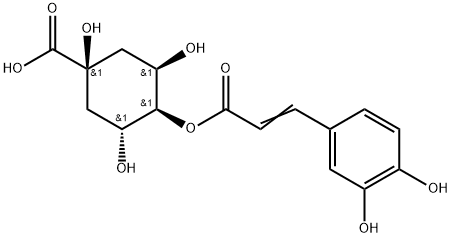
neochlorogenic acid
906-33-2
¥118.00-¥16988.00
22
22
chlorogenic acid
327-97-9
¥26.00-¥11341.00
23
22
gentisic acid
490-79-9
¥24.00-¥12504.55
24
22
cryptochlorogenic acid
905-99-7
¥120.00-¥15302.00
25
22
rutin
153-18-4
¥22.00-¥10304.00
×
引用
GB/T 7714-2015
复制
MLA
复制
APA
复制
导出至
BibTeX EndNote RefMan NoteFirst NoteExpress
×
提示
您的信息不完整,为了账户安全,请先补充。
现在去补充
×
提示
您因"违规操作"
具体请查看互助需知
我知道了
×
提示
确定
请完成安全验证×
copy
已复制链接
快去分享给好友吧!
我知道了
右上角分享
点击右上角分享
0
联系我们:info@booksci.cn Book学术提供免费学术资源搜索服务,方便国内外学者检索中英文文献。致力于提供最便捷和优质的服务体验。 Copyright © 2023 布克学术 All rights reserved.
京ICP备2023020795号-1
ghs 京公网安备 11010802042870号
Book学术文献互助
Book学术文献互助群
群 号:604180095
Book学术官方微信
小红书