Environmental persistence of fluoroquinolones: Reverse-phase high-performance liquid chromatography-based surveillance of contamination in water, soil, and food sources.
Background: Fluoroquinolone (FQ) antibiotics persist in the environment, posing risks to ecosystems and public health through antimicrobial resistance and bioaccumulation. Effective analytical methods are essential for monitoring these residues and enforcing regulations to limit antibiotic pollution.
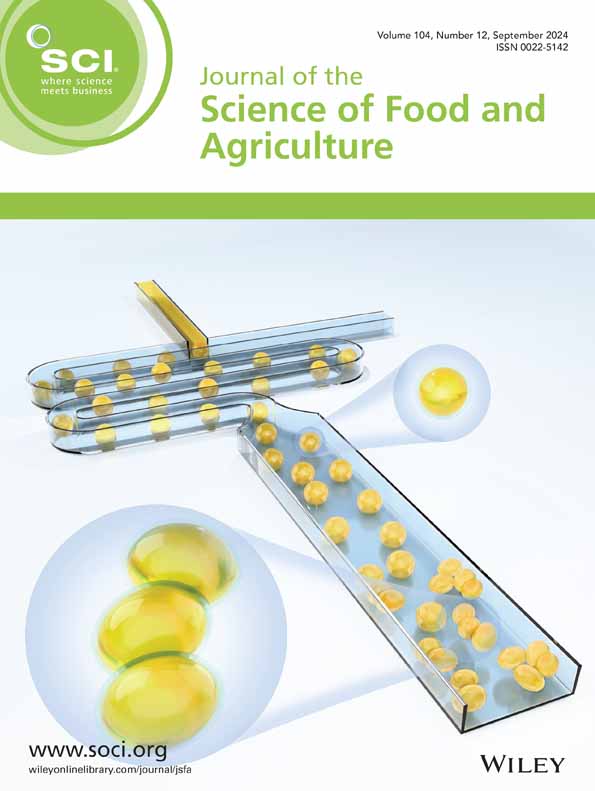
Results: This study developed validated reversed-phase high-performance liquid chromatography (RP-HPLC) approaches for the simultaneous detection of five FQs: norfloxacin (NFX), levofloxacin (LFX), enrofloxacin (ENR), ofloxacin (OFX), and ciprofloxacin (CFX). Two chromatographic methods were required due to structural similarities between LFX and OFX. Method I, using an Eclipse Plus phenyl hexyl column, produced retention times of 5.2 min for NFX, 5.7 min for LFX, and 7.9 min for ENR. Method II, utilizing a YMC C18 column, yielded retention times of 8.9 min for OFX and 10.7 min for CFX. Both methods demonstrated high selectivity, specificity, linearity (R 2 > 0.998), and precision (relative standard deviation (RSD) < 2 %), with Photodiode Array (PDA) detection at 280 nm. Validation followed International Council for Harmonisation of Technical Requirements for Pharmaceuticals for Human Use (ICH) Q2R2 guidelines. Environmental samples from West Bengal, including water, soil, chicken muscle, and fish skin, were processed using solid-phase extraction. Residues of all five FQs were detected, ranging from 0.1 to 1.4 μg g-1. Ofloxacin and CFX were more frequently found in animal-derived samples, whereas NFX and ENR were predominant in water and soil.
期刊介绍:
The Journal of the Science of Food and Agriculture publishes peer-reviewed original research, reviews, mini-reviews, perspectives and spotlights in these areas, with particular emphasis on interdisciplinary studies at the agriculture/ food interface.
Published for SCI by John Wiley & Sons Ltd.
SCI (Society of Chemical Industry) is a unique international forum where science meets business on independent, impartial ground. Anyone can join and current Members include consumers, business people, environmentalists, industrialists, farmers, and researchers. The Society offers a chance to share information between sectors as diverse as food and agriculture, pharmaceuticals, biotechnology, materials, chemicals, environmental science and safety. As well as organising educational events, SCI awards a number of prestigious honours and scholarships each year, publishes peer-reviewed journals, and provides Members with news from their sectors in the respected magazine, Chemistry & Industry .
Originally established in London in 1881 and in New York in 1894, SCI is a registered charity with Members in over 70 countries.

 求助内容:
求助内容: 应助结果提醒方式:

 京公网安备 11010802042870号


