Background: Rapeseed protein, an abundant by-product of the vegetable oil industry, is rich in essential amino acids and represents a promising source of antitumor peptides. However, the purification, characterization and mechanistic studies of antitumor peptides derived from rapeseed protein remain limited.
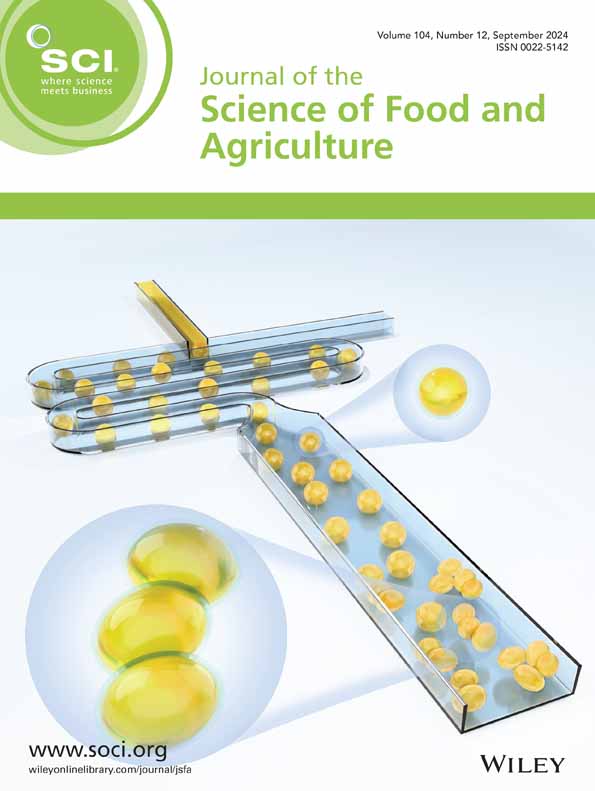
Results: Rapeseed protein was hydrolyzed using four proteases (alkaline protease, compound proteinase, flavourzyme and trypsin), followed by ultrafiltration and purification using gel filtration and semi-preparative HPLC. Purified peptides were identified by liquid chromatography-tandem mass spectrometry (LC-MS/MS) and antitumor activities were evaluated against HepG2, MKN-28, A549 and MCF-7 cells using the 3-(4,5-dimethyl thiazole-2-yl)-2,5-diphenyl tetrazolium bromide (i.e. MTT) assay. At 1 mg mL-1, the < 1 kDa fraction showed the strongest inhibitory effects, with inhibition rates of 55.22% ± 0.45%, 60.54% ± 0.84%, 65.33% ± 0.84% and 62.78% ± 1.57%, respectively. Five novel peptides (DHHAPQL, GVIRPPL, NDGNQPL, THPGVAQ and VTDGEAH) were identified. Among them, GVIRPPL exhibited the highest activity, with IC₅₀ values ranging from 1.14 to 1.69 mm. Mechanistic analysis showed that the reactive oxygen species (ROS) level of HepG2 cells treated with 2.0 mm rapeseed antitumor peptide GVIRPPL increased by 50.6% and reduced mitochondrial membrane potential by 53.7%, indicating that rapeseed antitumor peptides can exert antitumor effects by inducing ROS production and interfering with mitochondrial membrane potential, at the same time as having no obvious cytotoxicity to normal human hepatocytes.
期刊介绍:
The Journal of the Science of Food and Agriculture publishes peer-reviewed original research, reviews, mini-reviews, perspectives and spotlights in these areas, with particular emphasis on interdisciplinary studies at the agriculture/ food interface.
Published for SCI by John Wiley & Sons Ltd.
SCI (Society of Chemical Industry) is a unique international forum where science meets business on independent, impartial ground. Anyone can join and current Members include consumers, business people, environmentalists, industrialists, farmers, and researchers. The Society offers a chance to share information between sectors as diverse as food and agriculture, pharmaceuticals, biotechnology, materials, chemicals, environmental science and safety. As well as organising educational events, SCI awards a number of prestigious honours and scholarships each year, publishes peer-reviewed journals, and provides Members with news from their sectors in the respected magazine, Chemistry & Industry .
Originally established in London in 1881 and in New York in 1894, SCI is a registered charity with Members in over 70 countries.

 求助内容:
求助内容: 应助结果提醒方式:

 京公网安备 11010802042870号


