
海洋Medaka (Oryzias melastigma)中环烷酸综合毒性评估和优先排序的多维框架:神经毒性和机制见解

IF 12.2 1区 环境科学与生态学 Q1 ENGINEERING, ENVIRONMENTAL
Jizhuang Chu,Shixuan Cui,Yumiao Zhou,Qiang Kong,Ying Wang,Yijing Xia,Huanxin Zhang
{"title":"海洋Medaka (Oryzias melastigma)中环烷酸综合毒性评估和优先排序的多维框架:神经毒性和机制见解","authors":"Jizhuang Chu,Shixuan Cui,Yumiao Zhou,Qiang Kong,Ying Wang,Yijing Xia,Huanxin Zhang","doi":"10.1021/acs.est.6c11718","DOIUrl":null,"url":null,"abstract":"Petroleum pollution poses a major challenge to global environmental health. Petroleum-derived naphthenic acids (NAs) are frequently detected in marine environments, yet their multidimensional toxicity and mechanisms remain poorly understood. Here, we developed an integrated toxicity framework combining bioassays, toxicity screening, computational simulations, transcriptomics, and bioinformatics to characterize NAs toxicity in marine medaka (Oryzias melastigma). A concentration gradient spanning environmentally detected levels to higher-effect concentrations (0.015–30 mg/L) revealed developmental defects, cardiac suppression, behavioral disruption, and metabolic dysfunction. CRITIC–AHP-based prioritization identified neurotoxicity as the predominant toxicity dimension, with cyclopentylpropionic acid (CPPA) and cyclohexylpropionic acid (CHPA) identified as major contributors. Mechanistically, these compounds were associated with distinct candidate pathways involving CXCR3-CXCL10 neuroinflammatory responses and DPP10-Kv4.2 ion homeostasis disruption. Their divergent toxicity profiles may be associated with differences in hydrophobicity and molecular flexibility. Rescue experiments supported these pathways, restoring swimming velocity by 60.32% and 62.09%, respectively. Furthermore, NAs induced neurobehavioral alterations and transcriptional signatures overlapping with Alzheimer’s disease-associated genes, with 14 and 12 candidate genes identified for CPPA and CHPA. Collectively, this study provides a cross-scale perspective linking physicochemical properties, toxicity pathways, and adverse outcomes of NAs, offering a conceptual approach for toxicity screening and mechanism elucidation of contaminants.","PeriodicalId":36,"journal":{"name":"环境科学与技术","volume":"11 1","pages":""},"PeriodicalIF":12.2000,"publicationDate":"2026-10-20","publicationTypes":"Journal Article","fieldsOfStudy":null,"isOpenAccess":false,"openAccessPdf":"","citationCount":"0","resultStr":"{\"title\":\"A Multidimensional Framework for Integrated Toxicity Assessment and Prioritization of Naphthenic Acids in Marine Medaka (Oryzias melastigma): Neurotoxicity and Mechanistic Insights\",\"authors\":\"Jizhuang Chu,Shixuan Cui,Yumiao Zhou,Qiang Kong,Ying Wang,Yijing Xia,Huanxin Zhang\",\"doi\":\"10.1021/acs.est.6c11718\",\"DOIUrl\":null,\"url\":null,\"abstract\":\"Petroleum pollution poses a major challenge to global environmental health. Petroleum-derived naphthenic acids (NAs) are frequently detected in marine environments, yet their multidimensional toxicity and mechanisms remain poorly understood. Here, we developed an integrated toxicity framework combining bioassays, toxicity screening, computational simulations, transcriptomics, and bioinformatics to characterize NAs toxicity in marine medaka (Oryzias melastigma). A concentration gradient spanning environmentally detected levels to higher-effect concentrations (0.015–30 mg/L) revealed developmental defects, cardiac suppression, behavioral disruption, and metabolic dysfunction. CRITIC–AHP-based prioritization identified neurotoxicity as the predominant toxicity dimension, with cyclopentylpropionic acid (CPPA) and cyclohexylpropionic acid (CHPA) identified as major contributors. Mechanistically, these compounds were associated with distinct candidate pathways involving CXCR3-CXCL10 neuroinflammatory responses and DPP10-Kv4.2 ion homeostasis disruption. Their divergent toxicity profiles may be associated with differences in hydrophobicity and molecular flexibility. Rescue experiments supported these pathways, restoring swimming velocity by 60.32% and 62.09%, respectively. Furthermore, NAs induced neurobehavioral alterations and transcriptional signatures overlapping with Alzheimer’s disease-associated genes, with 14 and 12 candidate genes identified for CPPA and CHPA. Collectively, this study provides a cross-scale perspective linking physicochemical properties, toxicity pathways, and adverse outcomes of NAs, offering a conceptual approach for toxicity screening and mechanism elucidation of contaminants.\",\"PeriodicalId\":36,\"journal\":{\"name\":\"环境科学与技术\",\"volume\":\"11 1\",\"pages\":\"\"},\"PeriodicalIF\":12.2000,\"publicationDate\":\"2026-10-20\",\"publicationTypes\":\"Journal Article\",\"fieldsOfStudy\":null,\"isOpenAccess\":false,\"openAccessPdf\":\"\",\"citationCount\":\"0\",\"resultStr\":null,\"platform\":\"Semanticscholar\",\"paperid\":null,\"PeriodicalName\":\"环境科学与技术\",\"FirstCategoryId\":\"1\",\"ListUrlMain\":\"https://doi.org/10.1021/acs.est.6c11718\",\"RegionNum\":1,\"RegionCategory\":\"环境科学与生态学\",\"ArticlePicture\":[],\"TitleCN\":null,\"AbstractTextCN\":null,\"PMCID\":null,\"EPubDate\":\"\",\"PubModel\":\"\",\"JCR\":\"Q1\",\"JCRName\":\"ENGINEERING, ENVIRONMENTAL\",\"Score\":null,\"Total\":0}","platform":"Semanticscholar","paperid":null,"PeriodicalName":"环境科学与技术","FirstCategoryId":"1","ListUrlMain":"https://doi.org/10.1021/acs.est.6c11718","RegionNum":1,"RegionCategory":"环境科学与生态学","ArticlePicture":[],"TitleCN":null,"AbstractTextCN":null,"PMCID":null,"EPubDate":"","PubModel":"","JCR":"Q1","JCRName":"ENGINEERING, ENVIRONMENTAL","Score":null,"Total":0}
引用次数: 0

摘要

石油污染对全球环境健康构成重大挑战。石油衍生环烷酸(NAs)在海洋环境中经常被检测到,但其多方面的毒性和机制仍然知之甚少。在这里,我们开发了一个综合毒性框架,结合生物测定,毒性筛选,计算模拟,转录组学和生物信息学来表征海洋medaka (Oryzias melastigma)的NAs毒性。浓度梯度跨越环境检测水平到更高效果浓度(0.015-30 mg/L),揭示了发育缺陷、心脏抑制、行为紊乱和代谢功能障碍。基于critical - ahp的优先级确定神经毒性是主要的毒性维度,其中环戊基丙酸(CPPA)和环己基丙酸(CHPA)被确定为主要的贡献者。从机制上讲,这些化合物与不同的候选途径相关,包括CXCR3-CXCL10神经炎症反应和DPP10-Kv4.2离子稳态破坏。它们不同的毒性特征可能与疏水性和分子柔韧性的差异有关。救援实验支持这些途径,游泳速度分别恢复60.32%和62.09%。此外,NAs诱导的神经行为改变和转录特征与阿尔茨海默病相关基因重叠,其中有14个和12个候选基因被鉴定为CPPA和CHPA。总的来说,本研究提供了一个跨尺度的视角,将NAs的物理化学性质、毒性途径和不良后果联系起来,为污染物的毒性筛选和机制阐明提供了一个概念性的方法。
本文章由计算机程序翻译,如有差异,请以英文原文为准。

A Multidimensional Framework for Integrated Toxicity Assessment and Prioritization of Naphthenic Acids in Marine Medaka (Oryzias melastigma): Neurotoxicity and Mechanistic Insights

A Multidimensional Framework for Integrated Toxicity Assessment and Prioritization of Naphthenic Acids in Marine Medaka (Oryzias melastigma): Neurotoxicity and Mechanistic Insights
Petroleum pollution poses a major challenge to global environmental health. Petroleum-derived naphthenic acids (NAs) are frequently detected in marine environments, yet their multidimensional toxicity and mechanisms remain poorly understood. Here, we developed an integrated toxicity framework combining bioassays, toxicity screening, computational simulations, transcriptomics, and bioinformatics to characterize NAs toxicity in marine medaka (Oryzias melastigma). A concentration gradient spanning environmentally detected levels to higher-effect concentrations (0.015–30 mg/L) revealed developmental defects, cardiac suppression, behavioral disruption, and metabolic dysfunction. CRITIC–AHP-based prioritization identified neurotoxicity as the predominant toxicity dimension, with cyclopentylpropionic acid (CPPA) and cyclohexylpropionic acid (CHPA) identified as major contributors. Mechanistically, these compounds were associated with distinct candidate pathways involving CXCR3-CXCL10 neuroinflammatory responses and DPP10-Kv4.2 ion homeostasis disruption. Their divergent toxicity profiles may be associated with differences in hydrophobicity and molecular flexibility. Rescue experiments supported these pathways, restoring swimming velocity by 60.32% and 62.09%, respectively. Furthermore, NAs induced neurobehavioral alterations and transcriptional signatures overlapping with Alzheimer’s disease-associated genes, with 14 and 12 candidate genes identified for CPPA and CHPA. Collectively, this study provides a cross-scale perspective linking physicochemical properties, toxicity pathways, and adverse outcomes of NAs, offering a conceptual approach for toxicity screening and mechanism elucidation of contaminants.
求助全文
通过发布文献求助,成功后即可免费获取论文全文。 去求助
来源期刊
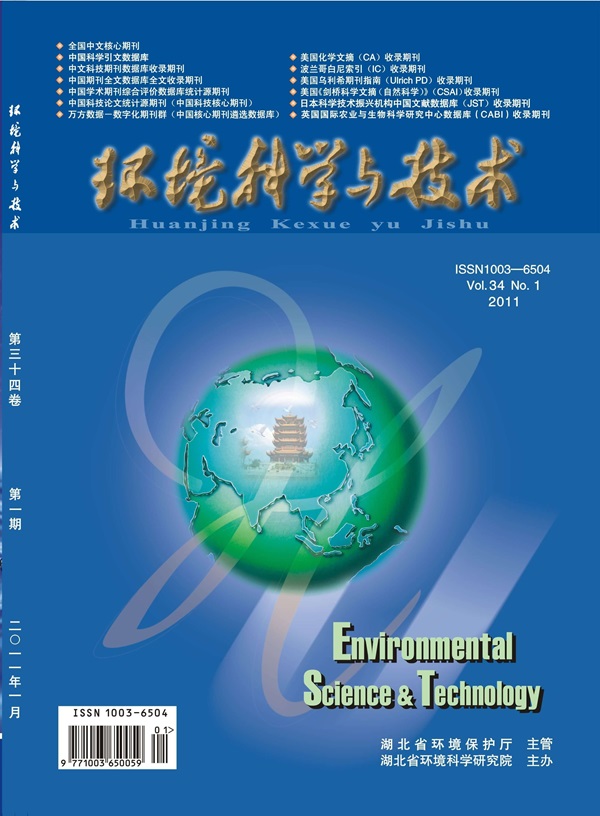
环境科学与技术
环境科学与技术 环境科学-工程:环境
CiteScore
17.50
自引率
9.60%
发文量
12359
审稿时长
2.8 months
期刊介绍: Environmental Science & Technology (ES&T) is a co-sponsored academic and technical magazine by the Hubei Provincial Environmental Protection Bureau and the Hubei Provincial Academy of Environmental Sciences. Environmental Science & Technology (ES&T) holds the status of Chinese core journals, scientific papers source journals of China, Chinese Science Citation Database source journals, and Chinese Academic Journal Comprehensive Evaluation Database source journals. This publication focuses on the academic field of environmental protection, featuring articles related to environmental protection and technical advancements.

×
引用
GB/T 7714-2015
复制
MLA
复制
APA
复制
导出至
BibTeX EndNote RefMan NoteFirst NoteExpress
×
提示
您的信息不完整,为了账户安全,请先补充。
现在去补充
×
提示
您因"违规操作"
具体请查看互助需知
我知道了
×
提示
确定
请完成安全验证×
copy
已复制链接
快去分享给好友吧!
我知道了
右上角分享
点击右上角分享
0
联系我们:info@booksci.cn Book学术提供免费学术资源搜索服务,方便国内外学者检索中英文文献。致力于提供最便捷和优质的服务体验。 Copyright © 2023 布克学术 All rights reserved.
京ICP备2023020795号-1
ghs 京公网安备 11010802042870号
Book学术文献互助
Book学术文献互助群
群 号:604180095
Book学术官方微信
小红书


