{"title":"TMEM121通过激活NLRP3/caspase-1/GSDMD通路加重对乙酰氨基酚诱导的肝癌细胞焦亡。","authors":"Guo-Liang He, Wei Yang, Lin-Xiao Wu, Jin-Cheng Liang, Feng Yao, Jun-Mei Zhou","doi":"10.16288/j.yczz.25-348","DOIUrl":null,"url":null,"abstract":"<p><p>Acetaminophen (APAP) is a widely used analgesic and antipyretic drug, but overdose causes severe acute liver injury. TMEM121 is an evolutionarily conserved transmembrane protein with high expression in liver tissue, yet its role in liver injury remains unknown. To investigate the function and molecular mechanism of the <i>TMEM121</i> gene in APAP-induced injury in hepatoma carcinoma cells, we comprehensively employed three analytical approaches: bioinformatics prediction, cellular functional assays, and detection of key molecules in the pyroptosis pathway. Firstly, molecular docking analysis revealed that TMEM121 protein can directly bind to APAP. Analysis of the GSE104601 dataset and cellular experiments confirmed that APAP negatively regulates <i>TMEM121</i> gene expression. Upon APAP stimulation, TMEM121 overexpression increased the sensitivity of Huh7 cells to APAP and reversed the promoting effects of TMEM121 on cell proliferation and migration observed under unstimulated conditions. Mechanistically, Western blotting and ELISA were used to assess key components of the pyroptosis pathway. The results demonstrated that, upon APAP stimulation, TMEM121 overexpression upregulated the expression of NLRP3 and caspase-1, promoted the cleavage of GSDMD to generate the active fragment GSDMD-N, and significantly increased the release of the inflammatory cytokines IL-1β and IL-18, thereby exacerbating pyroptosis. Furthermore, the lactate dehydrogenase release assay and transmission electron microscopy observation confirmed that TMEM121 overexpression aggravated APAP-induced cell membrane damage, leading to characteristic morphological features of pyroptosis, including membrane ballooning, rupture, and leakage of cellular contents. In summary, this study reveals that <i>TMEM121</i> gene acts as a critical regulator of APAP-induced injury in Huh7 cells by activating the NLRP3/caspase-1/GSDMD signaling pathway and aggravating APAP-induced pyroptosis, providing novel mechanistic insights and potential therapeutic targets for APAP-induced hepatotoxicity.</p>","PeriodicalId":35536,"journal":{"name":"遗传","volume":"48 10","pages":"986-998"},"PeriodicalIF":0.0000,"publicationDate":"2026-10-01","publicationTypes":"Journal Article","fieldsOfStudy":null,"isOpenAccess":false,"openAccessPdf":"","citationCount":"0","resultStr":"{\"title\":\"TMEM121 aggravates acetaminophen-induced pyroptosis in hepatocellular carcinoma cells by activating the NLRP3/caspase-1/GSDMD pathway.\",\"authors\":\"Guo-Liang He, Wei Yang, Lin-Xiao Wu, Jin-Cheng Liang, Feng Yao, Jun-Mei Zhou\",\"doi\":\"10.16288/j.yczz.25-348\",\"DOIUrl\":null,\"url\":null,\"abstract\":\"<p><p>Acetaminophen (APAP) is a widely used analgesic and antipyretic drug, but overdose causes severe acute liver injury. TMEM121 is an evolutionarily conserved transmembrane protein with high expression in liver tissue, yet its role in liver injury remains unknown. To investigate the function and molecular mechanism of the <i>TMEM121</i> gene in APAP-induced injury in hepatoma carcinoma cells, we comprehensively employed three analytical approaches: bioinformatics prediction, cellular functional assays, and detection of key molecules in the pyroptosis pathway. Firstly, molecular docking analysis revealed that TMEM121 protein can directly bind to APAP. Analysis of the GSE104601 dataset and cellular experiments confirmed that APAP negatively regulates <i>TMEM121</i> gene expression. Upon APAP stimulation, TMEM121 overexpression increased the sensitivity of Huh7 cells to APAP and reversed the promoting effects of TMEM121 on cell proliferation and migration observed under unstimulated conditions. Mechanistically, Western blotting and ELISA were used to assess key components of the pyroptosis pathway. The results demonstrated that, upon APAP stimulation, TMEM121 overexpression upregulated the expression of NLRP3 and caspase-1, promoted the cleavage of GSDMD to generate the active fragment GSDMD-N, and significantly increased the release of the inflammatory cytokines IL-1β and IL-18, thereby exacerbating pyroptosis. Furthermore, the lactate dehydrogenase release assay and transmission electron microscopy observation confirmed that TMEM121 overexpression aggravated APAP-induced cell membrane damage, leading to characteristic morphological features of pyroptosis, including membrane ballooning, rupture, and leakage of cellular contents. In summary, this study reveals that <i>TMEM121</i> gene acts as a critical regulator of APAP-induced injury in Huh7 cells by activating the NLRP3/caspase-1/GSDMD signaling pathway and aggravating APAP-induced pyroptosis, providing novel mechanistic insights and potential therapeutic targets for APAP-induced hepatotoxicity.</p>\",\"PeriodicalId\":35536,\"journal\":{\"name\":\"遗传\",\"volume\":\"48 10\",\"pages\":\"986-998\"},\"PeriodicalIF\":0.0000,\"publicationDate\":\"2026-10-01\",\"publicationTypes\":\"Journal Article\",\"fieldsOfStudy\":null,\"isOpenAccess\":false,\"openAccessPdf\":\"\",\"citationCount\":\"0\",\"resultStr\":null,\"platform\":\"Semanticscholar\",\"paperid\":null,\"PeriodicalName\":\"遗传\",\"FirstCategoryId\":\"1091\",\"ListUrlMain\":\"https://doi.org/10.16288/j.yczz.25-348\",\"RegionNum\":0,\"RegionCategory\":null,\"ArticlePicture\":[],\"TitleCN\":null,\"AbstractTextCN\":null,\"PMCID\":null,\"EPubDate\":\"\",\"PubModel\":\"\",\"JCR\":\"Q3\",\"JCRName\":\"Medicine\",\"Score\":null,\"Total\":0}","platform":"Semanticscholar","paperid":null,"PeriodicalName":"遗传","FirstCategoryId":"1091","ListUrlMain":"https://doi.org/10.16288/j.yczz.25-348","RegionNum":0,"RegionCategory":null,"ArticlePicture":[],"TitleCN":null,"AbstractTextCN":null,"PMCID":null,"EPubDate":"","PubModel":"","JCR":"Q3","JCRName":"Medicine","Score":null,"Total":0}
TMEM121 aggravates acetaminophen-induced pyroptosis in hepatocellular carcinoma cells by activating the NLRP3/caspase-1/GSDMD pathway.
Acetaminophen (APAP) is a widely used analgesic and antipyretic drug, but overdose causes severe acute liver injury. TMEM121 is an evolutionarily conserved transmembrane protein with high expression in liver tissue, yet its role in liver injury remains unknown. To investigate the function and molecular mechanism of the TMEM121 gene in APAP-induced injury in hepatoma carcinoma cells, we comprehensively employed three analytical approaches: bioinformatics prediction, cellular functional assays, and detection of key molecules in the pyroptosis pathway. Firstly, molecular docking analysis revealed that TMEM121 protein can directly bind to APAP. Analysis of the GSE104601 dataset and cellular experiments confirmed that APAP negatively regulates TMEM121 gene expression. Upon APAP stimulation, TMEM121 overexpression increased the sensitivity of Huh7 cells to APAP and reversed the promoting effects of TMEM121 on cell proliferation and migration observed under unstimulated conditions. Mechanistically, Western blotting and ELISA were used to assess key components of the pyroptosis pathway. The results demonstrated that, upon APAP stimulation, TMEM121 overexpression upregulated the expression of NLRP3 and caspase-1, promoted the cleavage of GSDMD to generate the active fragment GSDMD-N, and significantly increased the release of the inflammatory cytokines IL-1β and IL-18, thereby exacerbating pyroptosis. Furthermore, the lactate dehydrogenase release assay and transmission electron microscopy observation confirmed that TMEM121 overexpression aggravated APAP-induced cell membrane damage, leading to characteristic morphological features of pyroptosis, including membrane ballooning, rupture, and leakage of cellular contents. In summary, this study reveals that TMEM121 gene acts as a critical regulator of APAP-induced injury in Huh7 cells by activating the NLRP3/caspase-1/GSDMD signaling pathway and aggravating APAP-induced pyroptosis, providing novel mechanistic insights and potential therapeutic targets for APAP-induced hepatotoxicity.
期刊介绍:
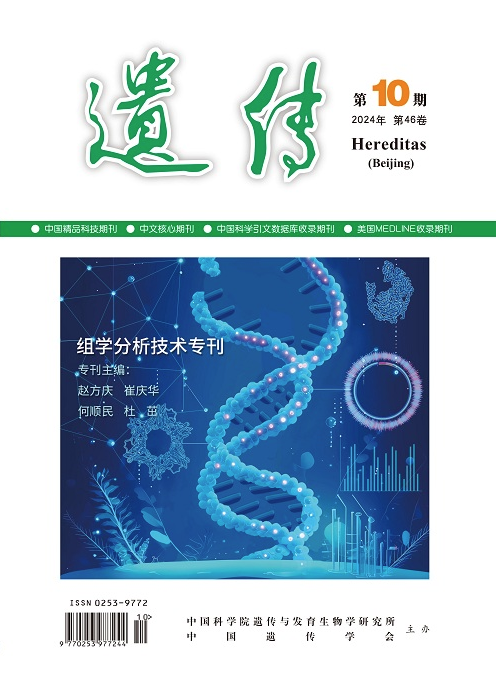
Hereditas is a national academic journal sponsored by the Institute of Genetics and Developmental Biology of the Chinese Academy of Sciences and the Chinese Society of Genetics and published by Science Press. It is a Chinese core journal and a Chinese high-quality scientific journal. The journal mainly publishes innovative research papers in the fields of genetics, genomics, cell biology, developmental biology, biological evolution, genetic engineering and biotechnology; new technologies and new methods; monographs and reviews on hot issues in the discipline; academic debates and discussions; experience in genetics teaching; introductions to famous geneticists at home and abroad; genetic counseling; information on academic conferences at home and abroad, etc. Main columns: review, frontier focus, research report, technology and method, resources and platform, experimental operation guide, genetic resources, genetics teaching, scientific news, etc.

 求助内容:
 应助结果提醒方式:


 京公网安备 11010802042870号


