Mo-Lin Wang, Bai-Chun Jiang, Qiao Liu, Yu Song, Yong-Xin Zou
{"title":"遗传性痉挛性截瘫病例遗传学教学的创新与实践。","authors":"Mo-Lin Wang, Bai-Chun Jiang, Qiao Liu, Yu Song, Yong-Xin Zou","doi":"10.16288/j.yczz.26-111","DOIUrl":null,"url":null,"abstract":"<p><p>Medical genetics serves as a bridge between basic medical science and clinical courses. With its complex curriculum and abstract concepts, traditional lecture-based teaching often leads to difficulties in comprehension, diminishes students' interest in learning, and results in poor teaching outcomes. Incorporating typical case studies into instruction can make genetic theories more tangible, enhance students' intuitive understanding, facilitate their grasp of abstract concepts, and boost their interest in learning. Hereditary spastic paraplegia (HSP) is a group of hereditary neurological disorders characterized by progressive spastic paraplegia of both lower limbs. As a monogenic disorder, HSP exhibits high genetic heterogeneity. To date, more than 80 distinct disease-causing genes have been identified, encompassing various inheritance patterns such as autosomal dominant, autosomal recessive, and X-linked recessive inheritance. HSP has been included in China's first batch of rare disease listings, creating a need for genetic counseling. Prenatal diagnosis and differential diagnosis typically require integration with genetic testing. Case-based teaching focused on HSP can comprehensively cover the core concepts of medical genetics and help students develop a complete clinical genetic reasoning process from clinical phenotype to family analysis, genetic diagnosis, and risk assessment. Based on this educational philosophy, members in our teaching team explored teaching materials focusing on the genetic characteristics of HSP, including disease genes, genetic effect of mutation, pathogenesis, inheritance patterns, genetic diagnosis, and clinical treatment to construct a comprehensive, integrated case-based teaching framework and incorporated it throughout the teaching practice of medical genetics. Teachers implemented this instructional design in their medical genetics courses, transforming abstract theoretical instruction into accessible case-based teaching, which stimulated students' interest in learning and enhanced their ability to understand theories related to genetic diseases. This teaching reform facilitated the effective integration of genetic knowledge with clinical applications, fostered the development of clinical reasoning and research literacy among medical students, and provided an innovative method for medical genetics teaching.</p>","PeriodicalId":35536,"journal":{"name":"遗传","volume":"48 10","pages":"1037-1044"},"PeriodicalIF":0.0000,"publicationDate":"2026-10-01","publicationTypes":"Journal Article","fieldsOfStudy":null,"isOpenAccess":false,"openAccessPdf":"","citationCount":"0","resultStr":"{\"title\":\"Innovation and practices on case-based genetics teaching focusing on hereditary spastic paraplegia.\",\"authors\":\"Mo-Lin Wang, Bai-Chun Jiang, Qiao Liu, Yu Song, Yong-Xin Zou\",\"doi\":\"10.16288/j.yczz.26-111\",\"DOIUrl\":null,\"url\":null,\"abstract\":\"<p><p>Medical genetics serves as a bridge between basic medical science and clinical courses. With its complex curriculum and abstract concepts, traditional lecture-based teaching often leads to difficulties in comprehension, diminishes students' interest in learning, and results in poor teaching outcomes. Incorporating typical case studies into instruction can make genetic theories more tangible, enhance students' intuitive understanding, facilitate their grasp of abstract concepts, and boost their interest in learning. Hereditary spastic paraplegia (HSP) is a group of hereditary neurological disorders characterized by progressive spastic paraplegia of both lower limbs. As a monogenic disorder, HSP exhibits high genetic heterogeneity. To date, more than 80 distinct disease-causing genes have been identified, encompassing various inheritance patterns such as autosomal dominant, autosomal recessive, and X-linked recessive inheritance. HSP has been included in China's first batch of rare disease listings, creating a need for genetic counseling. Prenatal diagnosis and differential diagnosis typically require integration with genetic testing. Case-based teaching focused on HSP can comprehensively cover the core concepts of medical genetics and help students develop a complete clinical genetic reasoning process from clinical phenotype to family analysis, genetic diagnosis, and risk assessment. Based on this educational philosophy, members in our teaching team explored teaching materials focusing on the genetic characteristics of HSP, including disease genes, genetic effect of mutation, pathogenesis, inheritance patterns, genetic diagnosis, and clinical treatment to construct a comprehensive, integrated case-based teaching framework and incorporated it throughout the teaching practice of medical genetics. Teachers implemented this instructional design in their medical genetics courses, transforming abstract theoretical instruction into accessible case-based teaching, which stimulated students' interest in learning and enhanced their ability to understand theories related to genetic diseases. This teaching reform facilitated the effective integration of genetic knowledge with clinical applications, fostered the development of clinical reasoning and research literacy among medical students, and provided an innovative method for medical genetics teaching.</p>\",\"PeriodicalId\":35536,\"journal\":{\"name\":\"遗传\",\"volume\":\"48 10\",\"pages\":\"1037-1044\"},\"PeriodicalIF\":0.0000,\"publicationDate\":\"2026-10-01\",\"publicationTypes\":\"Journal Article\",\"fieldsOfStudy\":null,\"isOpenAccess\":false,\"openAccessPdf\":\"\",\"citationCount\":\"0\",\"resultStr\":null,\"platform\":\"Semanticscholar\",\"paperid\":null,\"PeriodicalName\":\"遗传\",\"FirstCategoryId\":\"1091\",\"ListUrlMain\":\"https://doi.org/10.16288/j.yczz.26-111\",\"RegionNum\":0,\"RegionCategory\":null,\"ArticlePicture\":[],\"TitleCN\":null,\"AbstractTextCN\":null,\"PMCID\":null,\"EPubDate\":\"\",\"PubModel\":\"\",\"JCR\":\"Q3\",\"JCRName\":\"Medicine\",\"Score\":null,\"Total\":0}","platform":"Semanticscholar","paperid":null,"PeriodicalName":"遗传","FirstCategoryId":"1091","ListUrlMain":"https://doi.org/10.16288/j.yczz.26-111","RegionNum":0,"RegionCategory":null,"ArticlePicture":[],"TitleCN":null,"AbstractTextCN":null,"PMCID":null,"EPubDate":"","PubModel":"","JCR":"Q3","JCRName":"Medicine","Score":null,"Total":0}
Innovation and practices on case-based genetics teaching focusing on hereditary spastic paraplegia.
Medical genetics serves as a bridge between basic medical science and clinical courses. With its complex curriculum and abstract concepts, traditional lecture-based teaching often leads to difficulties in comprehension, diminishes students' interest in learning, and results in poor teaching outcomes. Incorporating typical case studies into instruction can make genetic theories more tangible, enhance students' intuitive understanding, facilitate their grasp of abstract concepts, and boost their interest in learning. Hereditary spastic paraplegia (HSP) is a group of hereditary neurological disorders characterized by progressive spastic paraplegia of both lower limbs. As a monogenic disorder, HSP exhibits high genetic heterogeneity. To date, more than 80 distinct disease-causing genes have been identified, encompassing various inheritance patterns such as autosomal dominant, autosomal recessive, and X-linked recessive inheritance. HSP has been included in China's first batch of rare disease listings, creating a need for genetic counseling. Prenatal diagnosis and differential diagnosis typically require integration with genetic testing. Case-based teaching focused on HSP can comprehensively cover the core concepts of medical genetics and help students develop a complete clinical genetic reasoning process from clinical phenotype to family analysis, genetic diagnosis, and risk assessment. Based on this educational philosophy, members in our teaching team explored teaching materials focusing on the genetic characteristics of HSP, including disease genes, genetic effect of mutation, pathogenesis, inheritance patterns, genetic diagnosis, and clinical treatment to construct a comprehensive, integrated case-based teaching framework and incorporated it throughout the teaching practice of medical genetics. Teachers implemented this instructional design in their medical genetics courses, transforming abstract theoretical instruction into accessible case-based teaching, which stimulated students' interest in learning and enhanced their ability to understand theories related to genetic diseases. This teaching reform facilitated the effective integration of genetic knowledge with clinical applications, fostered the development of clinical reasoning and research literacy among medical students, and provided an innovative method for medical genetics teaching.
期刊介绍:
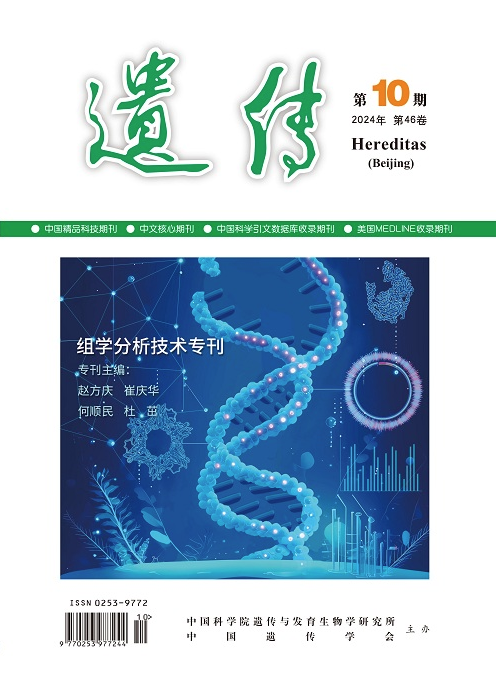
Hereditas is a national academic journal sponsored by the Institute of Genetics and Developmental Biology of the Chinese Academy of Sciences and the Chinese Society of Genetics and published by Science Press. It is a Chinese core journal and a Chinese high-quality scientific journal. The journal mainly publishes innovative research papers in the fields of genetics, genomics, cell biology, developmental biology, biological evolution, genetic engineering and biotechnology; new technologies and new methods; monographs and reviews on hot issues in the discipline; academic debates and discussions; experience in genetics teaching; introductions to famous geneticists at home and abroad; genetic counseling; information on academic conferences at home and abroad, etc. Main columns: review, frontier focus, research report, technology and method, resources and platform, experimental operation guide, genetic resources, genetics teaching, scientific news, etc.

 求助内容:
 应助结果提醒方式:


 京公网安备 11010802042870号


