Tongzhou Xu, Zhixin Hu, Bosheng Chen, Ang Gao, Zhenguo Wang, Biluan Zhang, Lei Miao, Jinlong Wang, Yanbing Guo
{"title":"离子共价键介导的富电子点阵氧用于太阳能驱动的醋酸减排","authors":"Tongzhou Xu, Zhixin Hu, Bosheng Chen, Ang Gao, Zhenguo Wang, Biluan Zhang, Lei Miao, Jinlong Wang, Yanbing Guo","doi":"10.1021/acs.est.6c07573","DOIUrl":null,"url":null,"abstract":"<p>Domestic waste generates volatile fatty acids (VFAs)\r\nand emits\r\nstrong malodors that reduce environmental comfort. The generation\r\nof these odor-causing molecules usually occurs in relatively high-humidity\r\nconditions, which speed up the deterioration of adsorbents, creating\r\nsecondary waste from frequent replacement. Herein, we report a lithium-doped\r\nmanganese dioxide (Li–MnO<sub>2</sub>) photothermal system\r\nthat sustainably degrades acetic acid (CH<sub>3</sub>COOH, a key VFA).\r\nMechanistic studies reveal the ionic bond in Li–O localizes\r\nelectrons at the oxygen atom, while the covalent bond in Mn–O\r\nestablishes an efficient electron transport channel. This electron-rich\r\noxygen can cleave the O–H bond in H<sub>2</sub>O with an ultra-low\r\nenergy barrier of 0.01 eV, generating dihydroxy groups, which subsequently\r\ninitiate a nucleophilic attack on the O–H and C–H bonds\r\nin CH<sub>3</sub>COOH molecules. The introduction of light not only\r\nefficiently converts the material surface into thermal energy, but\r\nit also triggers electron rearrangement. The engineered Li–MnO<sub>2</sub> catalyst demonstrates complete CH<sub>3</sub>COOH degradation\r\nat 291 mW cm<sup>–2</sup>. A modular photothermal purification\r\ndevice demonstrates above 1000 h odor removal efficiency in municipal\r\nwaste scenario. We anticipate this work will enable perpetual CH<sub>3</sub>COOH removal from domestic waste without external energy input,\r\noffering a sustainable solution for odor control in waste management.</p>","PeriodicalId":36,"journal":{"name":"环境科学与技术","volume":"60 41","pages":"29640–29650"},"PeriodicalIF":12.2000,"publicationDate":"2026-10-20","publicationTypes":"Journal Article","fieldsOfStudy":null,"isOpenAccess":false,"openAccessPdf":"","citationCount":"0","resultStr":"{\"title\":\"Ionic–Covalent Bond-Mediated Electron-Rich Lattice Oxygen for Solar-Driven Acetic Acid Abatement\",\"authors\":\"Tongzhou Xu, Zhixin Hu, Bosheng Chen, Ang Gao, Zhenguo Wang, Biluan Zhang, Lei Miao, Jinlong Wang, Yanbing Guo\",\"doi\":\"10.1021/acs.est.6c07573\",\"DOIUrl\":null,\"url\":null,\"abstract\":\"<p>Domestic waste generates volatile fatty acids (VFAs)\\r\\nand emits\\r\\nstrong malodors that reduce environmental comfort. The generation\\r\\nof these odor-causing molecules usually occurs in relatively high-humidity\\r\\nconditions, which speed up the deterioration of adsorbents, creating\\r\\nsecondary waste from frequent replacement. Herein, we report a lithium-doped\\r\\nmanganese dioxide (Li–MnO<sub>2</sub>) photothermal system\\r\\nthat sustainably degrades acetic acid (CH<sub>3</sub>COOH, a key VFA).\\r\\nMechanistic studies reveal the ionic bond in Li–O localizes\\r\\nelectrons at the oxygen atom, while the covalent bond in Mn–O\\r\\nestablishes an efficient electron transport channel. This electron-rich\\r\\noxygen can cleave the O–H bond in H<sub>2</sub>O with an ultra-low\\r\\nenergy barrier of 0.01 eV, generating dihydroxy groups, which subsequently\\r\\ninitiate a nucleophilic attack on the O–H and C–H bonds\\r\\nin CH<sub>3</sub>COOH molecules. The introduction of light not only\\r\\nefficiently converts the material surface into thermal energy, but\\r\\nit also triggers electron rearrangement. The engineered Li–MnO<sub>2</sub> catalyst demonstrates complete CH<sub>3</sub>COOH degradation\\r\\nat 291 mW cm<sup>–2</sup>. A modular photothermal purification\\r\\ndevice demonstrates above 1000 h odor removal efficiency in municipal\\r\\nwaste scenario. We anticipate this work will enable perpetual CH<sub>3</sub>COOH removal from domestic waste without external energy input,\\r\\noffering a sustainable solution for odor control in waste management.</p>\",\"PeriodicalId\":36,\"journal\":{\"name\":\"环境科学与技术\",\"volume\":\"60 41\",\"pages\":\"29640–29650\"},\"PeriodicalIF\":12.2000,\"publicationDate\":\"2026-10-20\",\"publicationTypes\":\"Journal Article\",\"fieldsOfStudy\":null,\"isOpenAccess\":false,\"openAccessPdf\":\"\",\"citationCount\":\"0\",\"resultStr\":null,\"platform\":\"Semanticscholar\",\"paperid\":null,\"PeriodicalName\":\"环境科学与技术\",\"FirstCategoryId\":\"1\",\"ListUrlMain\":\"https://pubs.acs.org/doi/10.1021/acs.est.6c07573\",\"RegionNum\":1,\"RegionCategory\":\"环境科学与生态学\",\"ArticlePicture\":[],\"TitleCN\":null,\"AbstractTextCN\":null,\"PMCID\":null,\"EPubDate\":\"2026/9/7 0:00:00\",\"PubModel\":\"Epub\",\"JCR\":\"Q1\",\"JCRName\":\"ENGINEERING, ENVIRONMENTAL\",\"Score\":null,\"Total\":0}","platform":"Semanticscholar","paperid":null,"PeriodicalName":"环境科学与技术","FirstCategoryId":"1","ListUrlMain":"https://pubs.acs.org/doi/10.1021/acs.est.6c07573","RegionNum":1,"RegionCategory":"环境科学与生态学","ArticlePicture":[],"TitleCN":null,"AbstractTextCN":null,"PMCID":null,"EPubDate":"2026/9/7 0:00:00","PubModel":"Epub","JCR":"Q1","JCRName":"ENGINEERING, ENVIRONMENTAL","Score":null,"Total":0}
Ionic–Covalent Bond-Mediated Electron-Rich Lattice Oxygen for Solar-Driven Acetic Acid Abatement
Domestic waste generates volatile fatty acids (VFAs)
and emits
strong malodors that reduce environmental comfort. The generation
of these odor-causing molecules usually occurs in relatively high-humidity
conditions, which speed up the deterioration of adsorbents, creating
secondary waste from frequent replacement. Herein, we report a lithium-doped
manganese dioxide (Li–MnO2) photothermal system
that sustainably degrades acetic acid (CH3COOH, a key VFA).
Mechanistic studies reveal the ionic bond in Li–O localizes
electrons at the oxygen atom, while the covalent bond in Mn–O
establishes an efficient electron transport channel. This electron-rich
oxygen can cleave the O–H bond in H2O with an ultra-low
energy barrier of 0.01 eV, generating dihydroxy groups, which subsequently
initiate a nucleophilic attack on the O–H and C–H bonds
in CH3COOH molecules. The introduction of light not only
efficiently converts the material surface into thermal energy, but
it also triggers electron rearrangement. The engineered Li–MnO2 catalyst demonstrates complete CH3COOH degradation
at 291 mW cm–2. A modular photothermal purification
device demonstrates above 1000 h odor removal efficiency in municipal
waste scenario. We anticipate this work will enable perpetual CH3COOH removal from domestic waste without external energy input,
offering a sustainable solution for odor control in waste management.
期刊介绍:
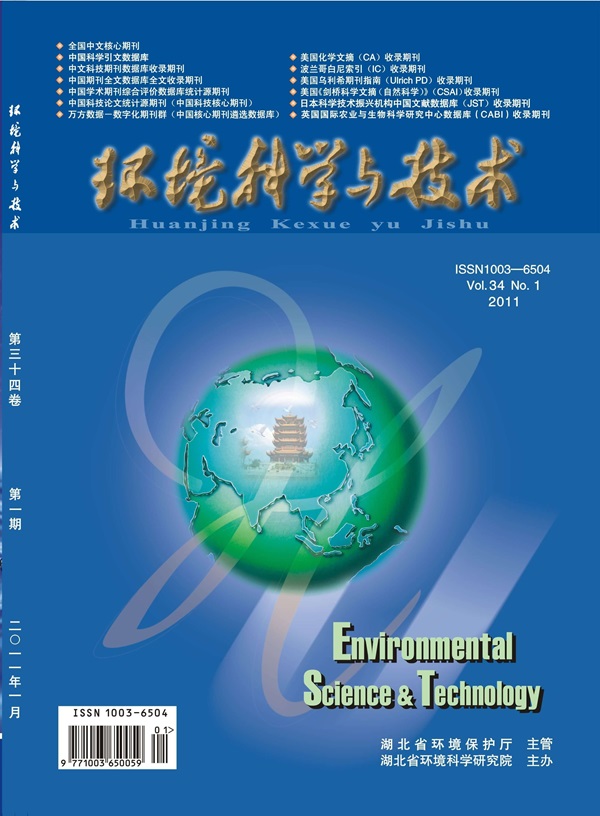
Environmental Science & Technology (ES&T) is a co-sponsored academic and technical magazine by the Hubei Provincial Environmental Protection Bureau and the Hubei Provincial Academy of Environmental Sciences.
Environmental Science & Technology (ES&T) holds the status of Chinese core journals, scientific papers source journals of China, Chinese Science Citation Database source journals, and Chinese Academic Journal Comprehensive Evaluation Database source journals. This publication focuses on the academic field of environmental protection, featuring articles related to environmental protection and technical advancements.

 求助内容:
 应助结果提醒方式:


 京公网安备 11010802042870号


