{"title":"钴族金属配合物抗癌研究进展:配体对疗效的影响","authors":"Nisha Yadav,Anjali Anjali,Sanjana Sanjana,Vaani Sharma,Kamal Nayan Sharma,Chandra Mohan Srivastava,Pooja Rawat,Indresh Kumar Pandey,Umesh Nath Tripathi,Gyandshwar Kumar Rao","doi":"10.1039/d6dt00899b","DOIUrl":null,"url":null,"abstract":"Following the groundbreaking discovery of cisplatin as a potent anticancer agent, transition metal complexes have garnered significant interest for their potential in therapeutic applications. Among these, cobalt group metals; cobalt (Co), rhodium (Rh), and iridium (Ir); have emerged as particularly promising candidates for the development of novel anticancer drugs. Their appeal lies in their ability to adopt multiple oxidation states, exhibit rich coordination chemistry, and undergo redox reactions, all while interacting favorably with biological targets. Notably, the nature of ligands coordinated to the metal center plays a crucial role in modulating the complex’s electronic structure and, consequently, its anticancer efficacy. This review presents a comprehensive overview of recent advancements over the past decade, with particular emphasis on the structural diversity of cobalt group complexes arising from varied ligand environments and their corresponding therapeutic potential against a range of cancer types.","PeriodicalId":71,"journal":{"name":"Dalton Transactions","volume":"9 1","pages":""},"PeriodicalIF":3.3000,"publicationDate":"2026-10-12","publicationTypes":"Journal Article","fieldsOfStudy":null,"isOpenAccess":false,"openAccessPdf":"","citationCount":"0","resultStr":"{\"title\":\"Recent advances in cobalt group metal complexes as anticancer agents: Influence of ligands on therapeutic efficacy\",\"authors\":\"Nisha Yadav,Anjali Anjali,Sanjana Sanjana,Vaani Sharma,Kamal Nayan Sharma,Chandra Mohan Srivastava,Pooja Rawat,Indresh Kumar Pandey,Umesh Nath Tripathi,Gyandshwar Kumar Rao\",\"doi\":\"10.1039/d6dt00899b\",\"DOIUrl\":null,\"url\":null,\"abstract\":\"Following the groundbreaking discovery of cisplatin as a potent anticancer agent, transition metal complexes have garnered significant interest for their potential in therapeutic applications. Among these, cobalt group metals; cobalt (Co), rhodium (Rh), and iridium (Ir); have emerged as particularly promising candidates for the development of novel anticancer drugs. Their appeal lies in their ability to adopt multiple oxidation states, exhibit rich coordination chemistry, and undergo redox reactions, all while interacting favorably with biological targets. Notably, the nature of ligands coordinated to the metal center plays a crucial role in modulating the complex’s electronic structure and, consequently, its anticancer efficacy. This review presents a comprehensive overview of recent advancements over the past decade, with particular emphasis on the structural diversity of cobalt group complexes arising from varied ligand environments and their corresponding therapeutic potential against a range of cancer types.\",\"PeriodicalId\":71,\"journal\":{\"name\":\"Dalton Transactions\",\"volume\":\"9 1\",\"pages\":\"\"},\"PeriodicalIF\":3.3000,\"publicationDate\":\"2026-10-12\",\"publicationTypes\":\"Journal Article\",\"fieldsOfStudy\":null,\"isOpenAccess\":false,\"openAccessPdf\":\"\",\"citationCount\":\"0\",\"resultStr\":null,\"platform\":\"Semanticscholar\",\"paperid\":null,\"PeriodicalName\":\"Dalton Transactions\",\"FirstCategoryId\":\"92\",\"ListUrlMain\":\"https://doi.org/10.1039/d6dt00899b\",\"RegionNum\":3,\"RegionCategory\":\"化学\",\"ArticlePicture\":[],\"TitleCN\":null,\"AbstractTextCN\":null,\"PMCID\":null,\"EPubDate\":\"\",\"PubModel\":\"\",\"JCR\":\"Q2\",\"JCRName\":\"CHEMISTRY, INORGANIC & NUCLEAR\",\"Score\":null,\"Total\":0}","platform":"Semanticscholar","paperid":null,"PeriodicalName":"Dalton Transactions","FirstCategoryId":"92","ListUrlMain":"https://doi.org/10.1039/d6dt00899b","RegionNum":3,"RegionCategory":"化学","ArticlePicture":[],"TitleCN":null,"AbstractTextCN":null,"PMCID":null,"EPubDate":"","PubModel":"","JCR":"Q2","JCRName":"CHEMISTRY, INORGANIC & NUCLEAR","Score":null,"Total":0}
Recent advances in cobalt group metal complexes as anticancer agents: Influence of ligands on therapeutic efficacy
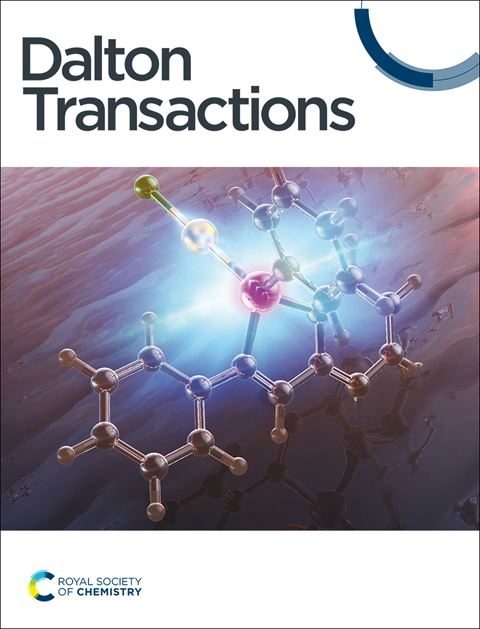
Following the groundbreaking discovery of cisplatin as a potent anticancer agent, transition metal complexes have garnered significant interest for their potential in therapeutic applications. Among these, cobalt group metals; cobalt (Co), rhodium (Rh), and iridium (Ir); have emerged as particularly promising candidates for the development of novel anticancer drugs. Their appeal lies in their ability to adopt multiple oxidation states, exhibit rich coordination chemistry, and undergo redox reactions, all while interacting favorably with biological targets. Notably, the nature of ligands coordinated to the metal center plays a crucial role in modulating the complex’s electronic structure and, consequently, its anticancer efficacy. This review presents a comprehensive overview of recent advancements over the past decade, with particular emphasis on the structural diversity of cobalt group complexes arising from varied ligand environments and their corresponding therapeutic potential against a range of cancer types.
期刊介绍:
Dalton Transactions is a journal for all areas of inorganic chemistry, which encompasses the organometallic, bioinorganic and materials chemistry of the elements, with applications including synthesis, catalysis, energy conversion/storage, electrical devices and medicine. Dalton Transactions welcomes high-quality, original submissions in all of these areas and more, where the advancement of knowledge in inorganic chemistry is significant.