{"title":"淡水微藻毒物动力学(TKTD)模型的现状、优势和局限性","authors":"Emma Yenney, Nina Cedergreen","doi":"10.1021/acs.est.6c05753","DOIUrl":null,"url":null,"abstract":"<p>Toxicokinetic-toxicodynamic\r\n(TKTD) models are increasingly\r\nused\r\nto enhance environmental risk assessment by linking laboratory toxicity\r\ndata with dynamic exposure scenarios. For freshwater microalgae, which\r\nare crucial primary producers, TKTD approaches offer a framework to\r\npredict population growth inhibition and recovery under fluctuating\r\nchemical stress. A review of 12 studies (2012–2023) applying\r\nTKTD models to freshwater planktonic microalgae was conducted to compare\r\ntheir structural assumptions, end points, and validation methods.\r\nThese models mainly focus on green algae and herbicides that inhibit\r\nphotosystem II, with limited exploration of other taxonomic groups\r\nor modes of action. The complexity of models varies significantly,\r\nfrom simple structures assuming rapid equilibrium between external\r\nand internal chemical concentrations to mechanistic models that explicitly\r\nincorporate TK components and damage progression. While simple models\r\nsupport regulatory use, omitting TK processes can reduce their effectiveness\r\nfor chemicals with delayed effects or complex uptake behaviors. Expanding\r\ntaxonomic coverage and enhancing external validation under realistic\r\nexposure conditions is crucial to increasing the ecological relevance\r\nof algal TKTD modeling.</p>","PeriodicalId":36,"journal":{"name":"环境科学与技术","volume":"60 41","pages":"29229–29244"},"PeriodicalIF":12.2000,"publicationDate":"2026-10-20","publicationTypes":"Journal Article","fieldsOfStudy":null,"isOpenAccess":false,"openAccessPdf":"","citationCount":"0","resultStr":"{\"title\":\"Current Strengths and Limitations of Toxicokinetic-Toxicodynamic (TKTD) Models for Freshwater Microalgae\",\"authors\":\"Emma Yenney, Nina Cedergreen\",\"doi\":\"10.1021/acs.est.6c05753\",\"DOIUrl\":null,\"url\":null,\"abstract\":\"<p>Toxicokinetic-toxicodynamic\\r\\n(TKTD) models are increasingly\\r\\nused\\r\\nto enhance environmental risk assessment by linking laboratory toxicity\\r\\ndata with dynamic exposure scenarios. For freshwater microalgae, which\\r\\nare crucial primary producers, TKTD approaches offer a framework to\\r\\npredict population growth inhibition and recovery under fluctuating\\r\\nchemical stress. A review of 12 studies (2012–2023) applying\\r\\nTKTD models to freshwater planktonic microalgae was conducted to compare\\r\\ntheir structural assumptions, end points, and validation methods.\\r\\nThese models mainly focus on green algae and herbicides that inhibit\\r\\nphotosystem II, with limited exploration of other taxonomic groups\\r\\nor modes of action. The complexity of models varies significantly,\\r\\nfrom simple structures assuming rapid equilibrium between external\\r\\nand internal chemical concentrations to mechanistic models that explicitly\\r\\nincorporate TK components and damage progression. While simple models\\r\\nsupport regulatory use, omitting TK processes can reduce their effectiveness\\r\\nfor chemicals with delayed effects or complex uptake behaviors. Expanding\\r\\ntaxonomic coverage and enhancing external validation under realistic\\r\\nexposure conditions is crucial to increasing the ecological relevance\\r\\nof algal TKTD modeling.</p>\",\"PeriodicalId\":36,\"journal\":{\"name\":\"环境科学与技术\",\"volume\":\"60 41\",\"pages\":\"29229–29244\"},\"PeriodicalIF\":12.2000,\"publicationDate\":\"2026-10-20\",\"publicationTypes\":\"Journal Article\",\"fieldsOfStudy\":null,\"isOpenAccess\":false,\"openAccessPdf\":\"\",\"citationCount\":\"0\",\"resultStr\":null,\"platform\":\"Semanticscholar\",\"paperid\":null,\"PeriodicalName\":\"环境科学与技术\",\"FirstCategoryId\":\"1\",\"ListUrlMain\":\"https://pubs.acs.org/doi/10.1021/acs.est.6c05753\",\"RegionNum\":1,\"RegionCategory\":\"环境科学与生态学\",\"ArticlePicture\":[],\"TitleCN\":null,\"AbstractTextCN\":null,\"PMCID\":null,\"EPubDate\":\"2026/10/7 0:00:00\",\"PubModel\":\"Epub\",\"JCR\":\"Q1\",\"JCRName\":\"ENGINEERING, ENVIRONMENTAL\",\"Score\":null,\"Total\":0}","platform":"Semanticscholar","paperid":null,"PeriodicalName":"环境科学与技术","FirstCategoryId":"1","ListUrlMain":"https://pubs.acs.org/doi/10.1021/acs.est.6c05753","RegionNum":1,"RegionCategory":"环境科学与生态学","ArticlePicture":[],"TitleCN":null,"AbstractTextCN":null,"PMCID":null,"EPubDate":"2026/10/7 0:00:00","PubModel":"Epub","JCR":"Q1","JCRName":"ENGINEERING, ENVIRONMENTAL","Score":null,"Total":0}
Current Strengths and Limitations of Toxicokinetic-Toxicodynamic (TKTD) Models for Freshwater Microalgae
Toxicokinetic-toxicodynamic
(TKTD) models are increasingly
used
to enhance environmental risk assessment by linking laboratory toxicity
data with dynamic exposure scenarios. For freshwater microalgae, which
are crucial primary producers, TKTD approaches offer a framework to
predict population growth inhibition and recovery under fluctuating
chemical stress. A review of 12 studies (2012–2023) applying
TKTD models to freshwater planktonic microalgae was conducted to compare
their structural assumptions, end points, and validation methods.
These models mainly focus on green algae and herbicides that inhibit
photosystem II, with limited exploration of other taxonomic groups
or modes of action. The complexity of models varies significantly,
from simple structures assuming rapid equilibrium between external
and internal chemical concentrations to mechanistic models that explicitly
incorporate TK components and damage progression. While simple models
support regulatory use, omitting TK processes can reduce their effectiveness
for chemicals with delayed effects or complex uptake behaviors. Expanding
taxonomic coverage and enhancing external validation under realistic
exposure conditions is crucial to increasing the ecological relevance
of algal TKTD modeling.
期刊介绍:
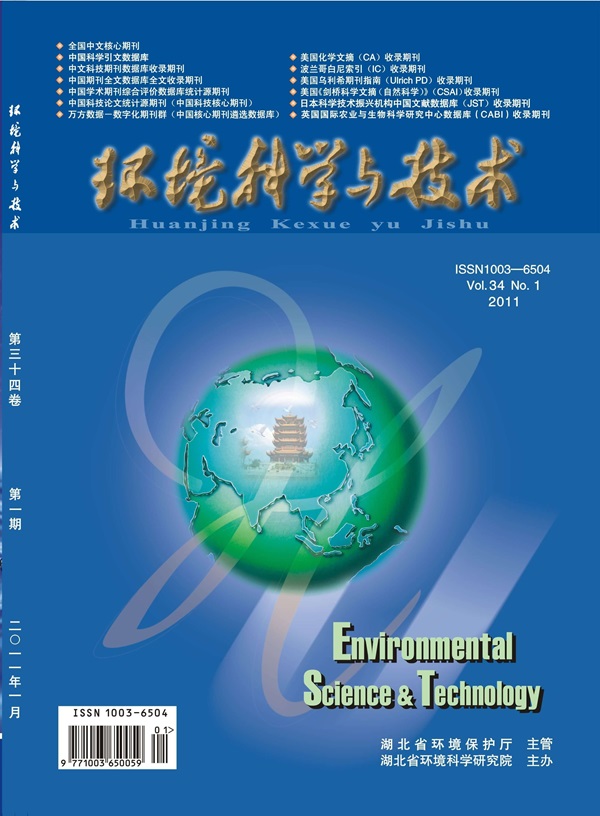
Environmental Science & Technology (ES&T) is a co-sponsored academic and technical magazine by the Hubei Provincial Environmental Protection Bureau and the Hubei Provincial Academy of Environmental Sciences.
Environmental Science & Technology (ES&T) holds the status of Chinese core journals, scientific papers source journals of China, Chinese Science Citation Database source journals, and Chinese Academic Journal Comprehensive Evaluation Database source journals. This publication focuses on the academic field of environmental protection, featuring articles related to environmental protection and technical advancements.

 求助内容:
 应助结果提醒方式:


 京公网安备 11010802042870号


