{"title":"环境模拟PET纳米塑料吸入通过CXCL12/CXCR4轴诱导脱髓鞘疾病","authors":"Shuang Liu, Jingcun Dong, Yu Hu, Qingqing Zhu, Huiyang Fu, Jia Gao, Xueyu Weng, Ligang Hu, Chunyang Liao, Guibin Jiang","doi":"10.1021/acs.est.6c03987","DOIUrl":null,"url":null,"abstract":"<p>The\r\nhealth threat from airborne nanoplastics (NPs) remains unclear,\r\nas despite inhalation being a more direct brain entry route than\r\ningestion, current understanding relies on oral exposure and commercial\r\nparticle models that obscure realistic risks. Here, by integrating\r\nenvironmentally simulated polyethylene terephthalate (PET)-NPs with\r\nan aerosol inhalation model that mirrors real-world human exposure\r\n(0.1, 1, and 10 mg/m<sup>3</sup>), we demonstrate that chronic NP\r\ninhalation translocated to the brain and induced demyelination, neuroinflammation,\r\nand cognitive deficits. The most pronounced effects were observed\r\nat the highest exposure dose (10 mg/m<sup>3</sup>), which is relevant\r\nto the occupational settings. Mechanistically, NP exposure triggered\r\nastrocytic CXCL12 release, leading to CXCR4-dependent microglial activation\r\nand cytokine network dysregulation. <em>In vitro</em>, blockade\r\nof CXCR4 with AMD3100 attenuated NP-induced microglial migration and\r\noligodendrocytic myelin basic protein reduction. Our study thus definitively\r\nlinks realistic airborne NP exposure to the key neuropathological\r\nfeatures of demyelinating disorders and pinpoints a modifiable molecular\r\npathway that could inform exposure-based preventive strategies. These\r\nfindings underscore the need for further assessment of airborne NP\r\nrisks, particularly in occupational settings.</p>","PeriodicalId":36,"journal":{"name":"环境科学与技术","volume":"60 41","pages":"29285–29298"},"PeriodicalIF":12.2000,"publicationDate":"2026-10-20","publicationTypes":"Journal Article","fieldsOfStudy":null,"isOpenAccess":false,"openAccessPdf":"","citationCount":"0","resultStr":"{\"title\":\"Inhalation of Environmentally Simulated PET Nanoplastics Induces Demyelinating Disorders via the CXCL12/CXCR4 Axis\",\"authors\":\"Shuang Liu, Jingcun Dong, Yu Hu, Qingqing Zhu, Huiyang Fu, Jia Gao, Xueyu Weng, Ligang Hu, Chunyang Liao, Guibin Jiang\",\"doi\":\"10.1021/acs.est.6c03987\",\"DOIUrl\":null,\"url\":null,\"abstract\":\"<p>The\\r\\nhealth threat from airborne nanoplastics (NPs) remains unclear,\\r\\nas despite inhalation being a more direct brain entry route than\\r\\ningestion, current understanding relies on oral exposure and commercial\\r\\nparticle models that obscure realistic risks. Here, by integrating\\r\\nenvironmentally simulated polyethylene terephthalate (PET)-NPs with\\r\\nan aerosol inhalation model that mirrors real-world human exposure\\r\\n(0.1, 1, and 10 mg/m<sup>3</sup>), we demonstrate that chronic NP\\r\\ninhalation translocated to the brain and induced demyelination, neuroinflammation,\\r\\nand cognitive deficits. The most pronounced effects were observed\\r\\nat the highest exposure dose (10 mg/m<sup>3</sup>), which is relevant\\r\\nto the occupational settings. Mechanistically, NP exposure triggered\\r\\nastrocytic CXCL12 release, leading to CXCR4-dependent microglial activation\\r\\nand cytokine network dysregulation. <em>In vitro</em>, blockade\\r\\nof CXCR4 with AMD3100 attenuated NP-induced microglial migration and\\r\\noligodendrocytic myelin basic protein reduction. Our study thus definitively\\r\\nlinks realistic airborne NP exposure to the key neuropathological\\r\\nfeatures of demyelinating disorders and pinpoints a modifiable molecular\\r\\npathway that could inform exposure-based preventive strategies. These\\r\\nfindings underscore the need for further assessment of airborne NP\\r\\nrisks, particularly in occupational settings.</p>\",\"PeriodicalId\":36,\"journal\":{\"name\":\"环境科学与技术\",\"volume\":\"60 41\",\"pages\":\"29285–29298\"},\"PeriodicalIF\":12.2000,\"publicationDate\":\"2026-10-20\",\"publicationTypes\":\"Journal Article\",\"fieldsOfStudy\":null,\"isOpenAccess\":false,\"openAccessPdf\":\"\",\"citationCount\":\"0\",\"resultStr\":null,\"platform\":\"Semanticscholar\",\"paperid\":null,\"PeriodicalName\":\"环境科学与技术\",\"FirstCategoryId\":\"1\",\"ListUrlMain\":\"https://pubs.acs.org/doi/10.1021/acs.est.6c03987\",\"RegionNum\":1,\"RegionCategory\":\"环境科学与生态学\",\"ArticlePicture\":[],\"TitleCN\":null,\"AbstractTextCN\":null,\"PMCID\":null,\"EPubDate\":\"2026/10/5 0:00:00\",\"PubModel\":\"Epub\",\"JCR\":\"Q1\",\"JCRName\":\"ENGINEERING, ENVIRONMENTAL\",\"Score\":null,\"Total\":0}","platform":"Semanticscholar","paperid":null,"PeriodicalName":"环境科学与技术","FirstCategoryId":"1","ListUrlMain":"https://pubs.acs.org/doi/10.1021/acs.est.6c03987","RegionNum":1,"RegionCategory":"环境科学与生态学","ArticlePicture":[],"TitleCN":null,"AbstractTextCN":null,"PMCID":null,"EPubDate":"2026/10/5 0:00:00","PubModel":"Epub","JCR":"Q1","JCRName":"ENGINEERING, ENVIRONMENTAL","Score":null,"Total":0}
Inhalation of Environmentally Simulated PET Nanoplastics Induces Demyelinating Disorders via the CXCL12/CXCR4 Axis
The
health threat from airborne nanoplastics (NPs) remains unclear,
as despite inhalation being a more direct brain entry route than
ingestion, current understanding relies on oral exposure and commercial
particle models that obscure realistic risks. Here, by integrating
environmentally simulated polyethylene terephthalate (PET)-NPs with
an aerosol inhalation model that mirrors real-world human exposure
(0.1, 1, and 10 mg/m3), we demonstrate that chronic NP
inhalation translocated to the brain and induced demyelination, neuroinflammation,
and cognitive deficits. The most pronounced effects were observed
at the highest exposure dose (10 mg/m3), which is relevant
to the occupational settings. Mechanistically, NP exposure triggered
astrocytic CXCL12 release, leading to CXCR4-dependent microglial activation
and cytokine network dysregulation. In vitro, blockade
of CXCR4 with AMD3100 attenuated NP-induced microglial migration and
oligodendrocytic myelin basic protein reduction. Our study thus definitively
links realistic airborne NP exposure to the key neuropathological
features of demyelinating disorders and pinpoints a modifiable molecular
pathway that could inform exposure-based preventive strategies. These
findings underscore the need for further assessment of airborne NP
risks, particularly in occupational settings.
期刊介绍:
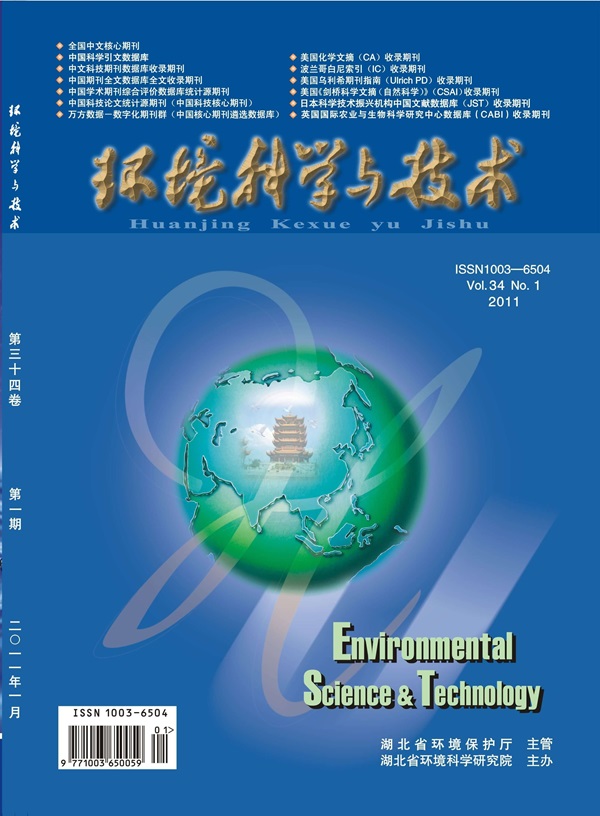
Environmental Science & Technology (ES&T) is a co-sponsored academic and technical magazine by the Hubei Provincial Environmental Protection Bureau and the Hubei Provincial Academy of Environmental Sciences.
Environmental Science & Technology (ES&T) holds the status of Chinese core journals, scientific papers source journals of China, Chinese Science Citation Database source journals, and Chinese Academic Journal Comprehensive Evaluation Database source journals. This publication focuses on the academic field of environmental protection, featuring articles related to environmental protection and technical advancements.

 求助内容:
 应助结果提醒方式:


 京公网安备 11010802042870号


