{"title":"全球供应链降低了实现《巴黎协定》太阳能光伏目标的成本,比之前估计的要多","authors":"Shuxian Zheng, Tong He, Yize Liu, Xiaomei Cai, Kepeng Lu, Lixiao Zhang, Yan Hao","doi":"10.1021/acs.est.6c09393","DOIUrl":null,"url":null,"abstract":"<p>Global supply chains (GSCs) reduce solar photovoltaic\r\n(PV) module\r\ncosts and accelerate deployment for Paris Agreement targets. Using\r\nproduction, trade, price data, and learning curve modeling across\r\nregions, we estimate that GSCs could enable 4085 million tonnes of\r\nCO<sub>2</sub> emission reductions from 2018–2030 through production\r\nscale-up. Relative to a counterfactual without GSCs, cost savings\r\nrepresent 15.85–17.95% of the cumulative module costs required\r\nfor the 1.5 °C target. Validation against 2022–2025 data,\r\nhowever, reveals that these estimates are conservative: recalibrated\r\nlearning rates and trade growth yield 77–99% higher savings\r\nby 2030. Stricter trade policies could erode savings by ∼8%,\r\nbut learning gains far outweigh potential losses. Maintaining open\r\nsupply chains is essential for capturing the full cost-reduction potential\r\nof solar PV.</p>","PeriodicalId":36,"journal":{"name":"环境科学与技术","volume":"60 41","pages":"29392–29411"},"PeriodicalIF":12.2000,"publicationDate":"2026-10-20","publicationTypes":"Journal Article","fieldsOfStudy":null,"isOpenAccess":false,"openAccessPdf":"","citationCount":"0","resultStr":"{\"title\":\"Global Supply Chains Reduce the Cost of Achieving Paris Agreement Solar PV Targets by More Than Previously Estimated\",\"authors\":\"Shuxian Zheng, Tong He, Yize Liu, Xiaomei Cai, Kepeng Lu, Lixiao Zhang, Yan Hao\",\"doi\":\"10.1021/acs.est.6c09393\",\"DOIUrl\":null,\"url\":null,\"abstract\":\"<p>Global supply chains (GSCs) reduce solar photovoltaic\\r\\n(PV) module\\r\\ncosts and accelerate deployment for Paris Agreement targets. Using\\r\\nproduction, trade, price data, and learning curve modeling across\\r\\nregions, we estimate that GSCs could enable 4085 million tonnes of\\r\\nCO<sub>2</sub> emission reductions from 2018–2030 through production\\r\\nscale-up. Relative to a counterfactual without GSCs, cost savings\\r\\nrepresent 15.85–17.95% of the cumulative module costs required\\r\\nfor the 1.5 °C target. Validation against 2022–2025 data,\\r\\nhowever, reveals that these estimates are conservative: recalibrated\\r\\nlearning rates and trade growth yield 77–99% higher savings\\r\\nby 2030. Stricter trade policies could erode savings by ∼8%,\\r\\nbut learning gains far outweigh potential losses. Maintaining open\\r\\nsupply chains is essential for capturing the full cost-reduction potential\\r\\nof solar PV.</p>\",\"PeriodicalId\":36,\"journal\":{\"name\":\"环境科学与技术\",\"volume\":\"60 41\",\"pages\":\"29392–29411\"},\"PeriodicalIF\":12.2000,\"publicationDate\":\"2026-10-20\",\"publicationTypes\":\"Journal Article\",\"fieldsOfStudy\":null,\"isOpenAccess\":false,\"openAccessPdf\":\"\",\"citationCount\":\"0\",\"resultStr\":null,\"platform\":\"Semanticscholar\",\"paperid\":null,\"PeriodicalName\":\"环境科学与技术\",\"FirstCategoryId\":\"1\",\"ListUrlMain\":\"https://pubs.acs.org/doi/10.1021/acs.est.6c09393\",\"RegionNum\":1,\"RegionCategory\":\"环境科学与生态学\",\"ArticlePicture\":[],\"TitleCN\":null,\"AbstractTextCN\":null,\"PMCID\":null,\"EPubDate\":\"2026/10/7 0:00:00\",\"PubModel\":\"Epub\",\"JCR\":\"Q1\",\"JCRName\":\"ENGINEERING, ENVIRONMENTAL\",\"Score\":null,\"Total\":0}","platform":"Semanticscholar","paperid":null,"PeriodicalName":"环境科学与技术","FirstCategoryId":"1","ListUrlMain":"https://pubs.acs.org/doi/10.1021/acs.est.6c09393","RegionNum":1,"RegionCategory":"环境科学与生态学","ArticlePicture":[],"TitleCN":null,"AbstractTextCN":null,"PMCID":null,"EPubDate":"2026/10/7 0:00:00","PubModel":"Epub","JCR":"Q1","JCRName":"ENGINEERING, ENVIRONMENTAL","Score":null,"Total":0}
Global Supply Chains Reduce the Cost of Achieving Paris Agreement Solar PV Targets by More Than Previously Estimated
Global supply chains (GSCs) reduce solar photovoltaic
(PV) module
costs and accelerate deployment for Paris Agreement targets. Using
production, trade, price data, and learning curve modeling across
regions, we estimate that GSCs could enable 4085 million tonnes of
CO2 emission reductions from 2018–2030 through production
scale-up. Relative to a counterfactual without GSCs, cost savings
represent 15.85–17.95% of the cumulative module costs required
for the 1.5 °C target. Validation against 2022–2025 data,
however, reveals that these estimates are conservative: recalibrated
learning rates and trade growth yield 77–99% higher savings
by 2030. Stricter trade policies could erode savings by ∼8%,
but learning gains far outweigh potential losses. Maintaining open
supply chains is essential for capturing the full cost-reduction potential
of solar PV.
期刊介绍:
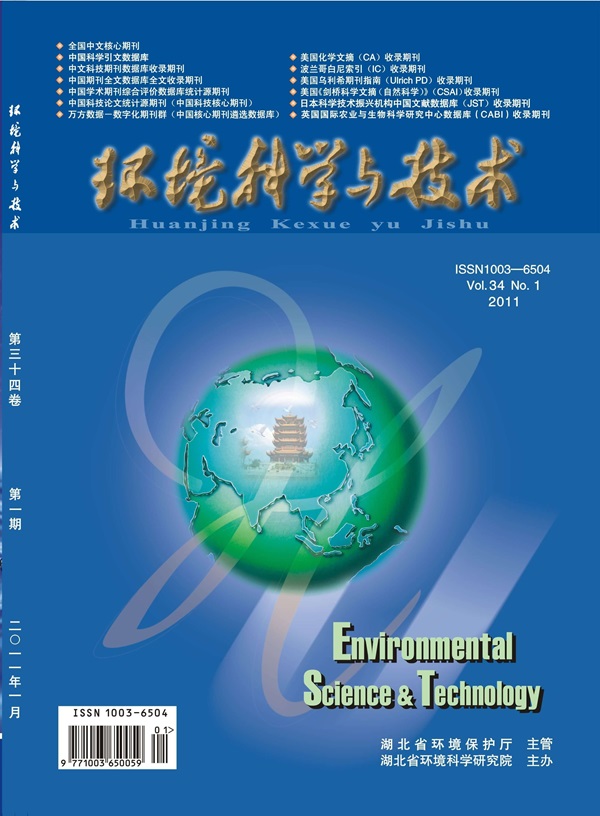
Environmental Science & Technology (ES&T) is a co-sponsored academic and technical magazine by the Hubei Provincial Environmental Protection Bureau and the Hubei Provincial Academy of Environmental Sciences.
Environmental Science & Technology (ES&T) holds the status of Chinese core journals, scientific papers source journals of China, Chinese Science Citation Database source journals, and Chinese Academic Journal Comprehensive Evaluation Database source journals. This publication focuses on the academic field of environmental protection, featuring articles related to environmental protection and technical advancements.

 求助内容:
 应助结果提醒方式:


 京公网安备 11010802042870号


