Tao Yang, Baoshuang Liu, Liqin Duan, Yuan Ma, Zhongwei Luo, Yinchang Feng, Philip K. Hopke
{"title":"从排放源获得的环境消耗挥发性有机化合物的多重反应途径的量化","authors":"Tao Yang, Baoshuang Liu, Liqin Duan, Yuan Ma, Zhongwei Luo, Yinchang Feng, Philip K. Hopke","doi":"10.1021/acs.est.6c05906","DOIUrl":null,"url":null,"abstract":"<p>A novel method was developed to quantify source-specific\r\nvolatile\r\norganic compound (VOC) consumption via multiple reaction pathways,\r\nincluding daytime hydroxyl (<sup>•</sup>OH) radical reactions\r\nand nighttime ozone (O<sub>3</sub>) and nitrate radical (NO<sub>3</sub><sup>•</sup>) reactions. This approach integrates positive\r\nmatrix factorization (PMF) with observed and initial-concentration\r\ndata, enabling simultaneous source apportionment of both emitted and\r\nchemically consumed VOCs. The method was applied to hourly VOC measurements\r\nmade in Linfen, a typical industrial city in China, from April to\r\nOctober 2023. Eight emission sources were resolved and quantified\r\nfor their contributions to VOC consumption through different reaction\r\npathways. During the study period, the mixed source of industrial\r\nemissions and solvent usage was the dominant contributor (31.4%) to\r\nconsumed VOCs, primarily driven by daytime <sup>•</sup>OH reactions\r\nof alkenes. Natural gas and liquefied petroleum gas usage (15.6%)\r\nexhibited higher nighttime consumption due to late-evening emissions\r\nfrom residential and commercial activities. Biogenic emissions contributed\r\n10.8% to the consumed VOCs, mainly driven by daytime <sup>•</sup>OH and nighttime NO<sub>3</sub><sup>•</sup> reactions. Diesel\r\nvehicle emissions, petrochemical industry, coking enterprise emissions,\r\ncombustion emissions, and gasoline vehicle emissions contributed modestly\r\n(∼6–12%). This method advances the understanding of\r\nVOC loss mechanisms and provides scientific support for source-specific\r\nO<sub>3</sub> control strategies.</p>","PeriodicalId":36,"journal":{"name":"环境科学与技术","volume":"60 41","pages":"29479–29491"},"PeriodicalIF":12.2000,"publicationDate":"2026-10-20","publicationTypes":"Journal Article","fieldsOfStudy":null,"isOpenAccess":false,"openAccessPdf":"","citationCount":"0","resultStr":"{\"title\":\"Quantifying Multiple Reaction Pathways for Ambient Consumed Volatile Organic Compounds Derived from Emission Sources\",\"authors\":\"Tao Yang, Baoshuang Liu, Liqin Duan, Yuan Ma, Zhongwei Luo, Yinchang Feng, Philip K. Hopke\",\"doi\":\"10.1021/acs.est.6c05906\",\"DOIUrl\":null,\"url\":null,\"abstract\":\"<p>A novel method was developed to quantify source-specific\\r\\nvolatile\\r\\norganic compound (VOC) consumption via multiple reaction pathways,\\r\\nincluding daytime hydroxyl (<sup>•</sup>OH) radical reactions\\r\\nand nighttime ozone (O<sub>3</sub>) and nitrate radical (NO<sub>3</sub><sup>•</sup>) reactions. This approach integrates positive\\r\\nmatrix factorization (PMF) with observed and initial-concentration\\r\\ndata, enabling simultaneous source apportionment of both emitted and\\r\\nchemically consumed VOCs. The method was applied to hourly VOC measurements\\r\\nmade in Linfen, a typical industrial city in China, from April to\\r\\nOctober 2023. Eight emission sources were resolved and quantified\\r\\nfor their contributions to VOC consumption through different reaction\\r\\npathways. During the study period, the mixed source of industrial\\r\\nemissions and solvent usage was the dominant contributor (31.4%) to\\r\\nconsumed VOCs, primarily driven by daytime <sup>•</sup>OH reactions\\r\\nof alkenes. Natural gas and liquefied petroleum gas usage (15.6%)\\r\\nexhibited higher nighttime consumption due to late-evening emissions\\r\\nfrom residential and commercial activities. Biogenic emissions contributed\\r\\n10.8% to the consumed VOCs, mainly driven by daytime <sup>•</sup>OH and nighttime NO<sub>3</sub><sup>•</sup> reactions. Diesel\\r\\nvehicle emissions, petrochemical industry, coking enterprise emissions,\\r\\ncombustion emissions, and gasoline vehicle emissions contributed modestly\\r\\n(∼6–12%). This method advances the understanding of\\r\\nVOC loss mechanisms and provides scientific support for source-specific\\r\\nO<sub>3</sub> control strategies.</p>\",\"PeriodicalId\":36,\"journal\":{\"name\":\"环境科学与技术\",\"volume\":\"60 41\",\"pages\":\"29479–29491\"},\"PeriodicalIF\":12.2000,\"publicationDate\":\"2026-10-20\",\"publicationTypes\":\"Journal Article\",\"fieldsOfStudy\":null,\"isOpenAccess\":false,\"openAccessPdf\":\"\",\"citationCount\":\"0\",\"resultStr\":null,\"platform\":\"Semanticscholar\",\"paperid\":null,\"PeriodicalName\":\"环境科学与技术\",\"FirstCategoryId\":\"1\",\"ListUrlMain\":\"https://pubs.acs.org/doi/10.1021/acs.est.6c05906\",\"RegionNum\":1,\"RegionCategory\":\"环境科学与生态学\",\"ArticlePicture\":[],\"TitleCN\":null,\"AbstractTextCN\":null,\"PMCID\":null,\"EPubDate\":\"2026/10/7 0:00:00\",\"PubModel\":\"Epub\",\"JCR\":\"Q1\",\"JCRName\":\"ENGINEERING, ENVIRONMENTAL\",\"Score\":null,\"Total\":0}","platform":"Semanticscholar","paperid":null,"PeriodicalName":"环境科学与技术","FirstCategoryId":"1","ListUrlMain":"https://pubs.acs.org/doi/10.1021/acs.est.6c05906","RegionNum":1,"RegionCategory":"环境科学与生态学","ArticlePicture":[],"TitleCN":null,"AbstractTextCN":null,"PMCID":null,"EPubDate":"2026/10/7 0:00:00","PubModel":"Epub","JCR":"Q1","JCRName":"ENGINEERING, ENVIRONMENTAL","Score":null,"Total":0}
Quantifying Multiple Reaction Pathways for Ambient Consumed Volatile Organic Compounds Derived from Emission Sources
A novel method was developed to quantify source-specific
volatile
organic compound (VOC) consumption via multiple reaction pathways,
including daytime hydroxyl (•OH) radical reactions
and nighttime ozone (O3) and nitrate radical (NO3•) reactions. This approach integrates positive
matrix factorization (PMF) with observed and initial-concentration
data, enabling simultaneous source apportionment of both emitted and
chemically consumed VOCs. The method was applied to hourly VOC measurements
made in Linfen, a typical industrial city in China, from April to
October 2023. Eight emission sources were resolved and quantified
for their contributions to VOC consumption through different reaction
pathways. During the study period, the mixed source of industrial
emissions and solvent usage was the dominant contributor (31.4%) to
consumed VOCs, primarily driven by daytime •OH reactions
of alkenes. Natural gas and liquefied petroleum gas usage (15.6%)
exhibited higher nighttime consumption due to late-evening emissions
from residential and commercial activities. Biogenic emissions contributed
10.8% to the consumed VOCs, mainly driven by daytime •OH and nighttime NO3• reactions. Diesel
vehicle emissions, petrochemical industry, coking enterprise emissions,
combustion emissions, and gasoline vehicle emissions contributed modestly
(∼6–12%). This method advances the understanding of
VOC loss mechanisms and provides scientific support for source-specific
O3 control strategies.
期刊介绍:
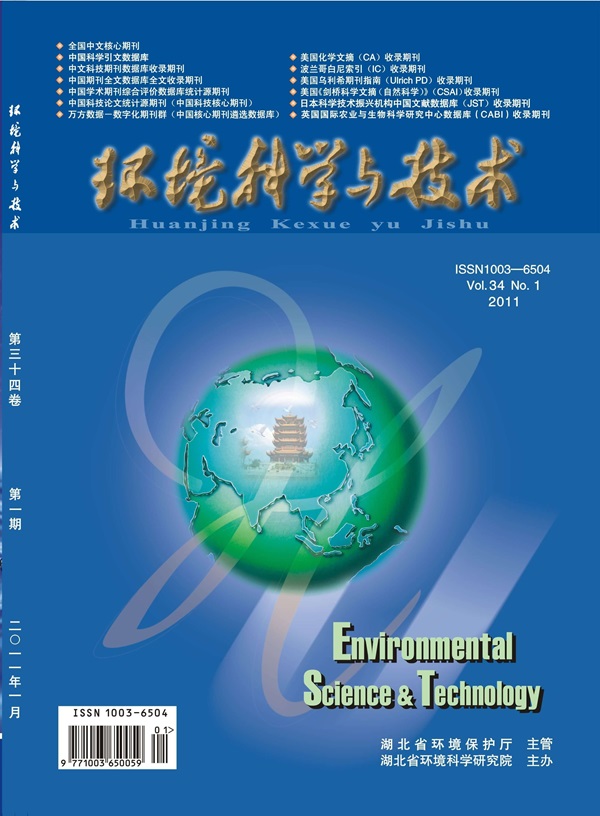
Environmental Science & Technology (ES&T) is a co-sponsored academic and technical magazine by the Hubei Provincial Environmental Protection Bureau and the Hubei Provincial Academy of Environmental Sciences.
Environmental Science & Technology (ES&T) holds the status of Chinese core journals, scientific papers source journals of China, Chinese Science Citation Database source journals, and Chinese Academic Journal Comprehensive Evaluation Database source journals. This publication focuses on the academic field of environmental protection, featuring articles related to environmental protection and technical advancements.

 求助内容:
 应助结果提醒方式:


 京公网安备 11010802042870号


