Zhen Lu, Zhi Yan, Bin Liu, Jiao Wang, Yaxi Li, Ke Li
{"title":"基于行为的阈值支持咖啡因作为沿海水域神经活性废水微污染物的筛选水平优先级","authors":"Zhen Lu, Zhi Yan, Bin Liu, Jiao Wang, Yaxi Li, Ke Li","doi":"10.1021/acs.est.6c10032","DOIUrl":null,"url":null,"abstract":"<p>Sensitive functional end points reveal\r\nearly responses to neuroactive\r\nwastewater contaminants but are rarely translated into screening thresholds.\r\nUsing caffeine as a sentinel, we evaluated a behavior-based framework\r\nfor coastal waters. Systematic searches of Web of Science Core Collection,\r\nPubMed, and Embase through 24 August 2026 identified 66 eligible studies\r\nand 2181 effect sizes for meta-analysis. The near-zero grand pooled\r\nsigned ln <em>RR</em> may reflect cancellation among\r\nend points with opposing response directions. Responses varied by\r\nlife stage, exposure duration, concentration, and end point category.\r\nStandardized light–dark assays across eight aquatic species\r\nrevealed taxon- and context-dependent behavioral disruptions, including\r\nresponses at low concentration and non-monotonic patterns. Species\r\nsensitivity distributions based on behavioral benchmark concentrations\r\nyielded a conservative hazardous concentration affecting 5% of species\r\n(HC5; 0.0585 μg L<sup>–1</sup>) and a screening-level\r\nbehavior-based predicted no-effect concentration (PNEC; 0.0195 μg\r\nL<sup>–1</sup>). A separate systematic literature search, supplemented\r\nwith NORMAN EMPODAT records, compiled 1421 quantifiable caffeine measurements\r\nin coastal and estuarine waters. Concentrations were right-skewed\r\n(median, 44.9 ng L<sup>–1</sup>; IQR, 14.60–190.00 ng\r\nL<sup>–1</sup>), and 69.88% of measurements fell into the high-priority\r\nrisk quotient category (RQ ≥ 1). These findings support behavior-based\r\nthresholds for prioritizing neuroactive wastewater pollution in coastal\r\nwaters.</p>","PeriodicalId":36,"journal":{"name":"环境科学与技术","volume":"60 41","pages":"29342–29354"},"PeriodicalIF":12.2000,"publicationDate":"2026-10-20","publicationTypes":"Journal Article","fieldsOfStudy":null,"isOpenAccess":false,"openAccessPdf":"","citationCount":"0","resultStr":"{\"title\":\"Behavior-Based Thresholds Support Screening-Level Prioritization of Caffeine as a Neuroactive Wastewater Micropollutant in Coastal Waters\",\"authors\":\"Zhen Lu, Zhi Yan, Bin Liu, Jiao Wang, Yaxi Li, Ke Li\",\"doi\":\"10.1021/acs.est.6c10032\",\"DOIUrl\":null,\"url\":null,\"abstract\":\"<p>Sensitive functional end points reveal\\r\\nearly responses to neuroactive\\r\\nwastewater contaminants but are rarely translated into screening thresholds.\\r\\nUsing caffeine as a sentinel, we evaluated a behavior-based framework\\r\\nfor coastal waters. Systematic searches of Web of Science Core Collection,\\r\\nPubMed, and Embase through 24 August 2026 identified 66 eligible studies\\r\\nand 2181 effect sizes for meta-analysis. The near-zero grand pooled\\r\\nsigned ln <em>RR</em> may reflect cancellation among\\r\\nend points with opposing response directions. Responses varied by\\r\\nlife stage, exposure duration, concentration, and end point category.\\r\\nStandardized light–dark assays across eight aquatic species\\r\\nrevealed taxon- and context-dependent behavioral disruptions, including\\r\\nresponses at low concentration and non-monotonic patterns. Species\\r\\nsensitivity distributions based on behavioral benchmark concentrations\\r\\nyielded a conservative hazardous concentration affecting 5% of species\\r\\n(HC5; 0.0585 μg L<sup>–1</sup>) and a screening-level\\r\\nbehavior-based predicted no-effect concentration (PNEC; 0.0195 μg\\r\\nL<sup>–1</sup>). A separate systematic literature search, supplemented\\r\\nwith NORMAN EMPODAT records, compiled 1421 quantifiable caffeine measurements\\r\\nin coastal and estuarine waters. Concentrations were right-skewed\\r\\n(median, 44.9 ng L<sup>–1</sup>; IQR, 14.60–190.00 ng\\r\\nL<sup>–1</sup>), and 69.88% of measurements fell into the high-priority\\r\\nrisk quotient category (RQ ≥ 1). These findings support behavior-based\\r\\nthresholds for prioritizing neuroactive wastewater pollution in coastal\\r\\nwaters.</p>\",\"PeriodicalId\":36,\"journal\":{\"name\":\"环境科学与技术\",\"volume\":\"60 41\",\"pages\":\"29342–29354\"},\"PeriodicalIF\":12.2000,\"publicationDate\":\"2026-10-20\",\"publicationTypes\":\"Journal Article\",\"fieldsOfStudy\":null,\"isOpenAccess\":false,\"openAccessPdf\":\"\",\"citationCount\":\"0\",\"resultStr\":null,\"platform\":\"Semanticscholar\",\"paperid\":null,\"PeriodicalName\":\"环境科学与技术\",\"FirstCategoryId\":\"1\",\"ListUrlMain\":\"https://pubs.acs.org/doi/10.1021/acs.est.6c10032\",\"RegionNum\":1,\"RegionCategory\":\"环境科学与生态学\",\"ArticlePicture\":[],\"TitleCN\":null,\"AbstractTextCN\":null,\"PMCID\":null,\"EPubDate\":\"2026/10/7 0:00:00\",\"PubModel\":\"Epub\",\"JCR\":\"Q1\",\"JCRName\":\"ENGINEERING, ENVIRONMENTAL\",\"Score\":null,\"Total\":0}","platform":"Semanticscholar","paperid":null,"PeriodicalName":"环境科学与技术","FirstCategoryId":"1","ListUrlMain":"https://pubs.acs.org/doi/10.1021/acs.est.6c10032","RegionNum":1,"RegionCategory":"环境科学与生态学","ArticlePicture":[],"TitleCN":null,"AbstractTextCN":null,"PMCID":null,"EPubDate":"2026/10/7 0:00:00","PubModel":"Epub","JCR":"Q1","JCRName":"ENGINEERING, ENVIRONMENTAL","Score":null,"Total":0}
引用次数: 0
摘要
敏感的功能终点揭示了对神经活性废水污染物的早期反应,但很少转化为筛选阈值。使用咖啡因作为哨兵,我们评估了沿海水域基于行为的框架。截至2026年8月24日,对Web of Science Core Collection、PubMed和Embase进行了系统搜索,确定了66项符合条件的研究和2181个效应值用于meta分析。近零的大池签名ln RR可能反映了响应方向相反的端点之间的消去。反应因生命阶段、暴露时间、浓度和终点类别而异。对8种水生物种的标准化光暗分析揭示了分类群和环境依赖的行为中断,包括低浓度和非单调模式的反应。基于行为基准浓度的物种敏感性分布产生了影响5%物种的保守危险浓度(HC5; 0.0585 μg L-1)和基于筛选水平行为的预测无影响浓度(PNEC; 0.0195 μg L-1)。一个独立的系统文献检索,辅以NORMAN EMPODAT记录,汇编了1421个沿海和河口水域的可量化咖啡因测量值。浓度呈右偏(中位数为44.9 ng L-1; IQR为14.60 ~ 190.00 ng L-1), 69.88%的测量值属于高优先级风险商类别(RQ≥1)。这些发现支持基于行为的阈值来优先处理沿海水域的神经活性废水污染。
Behavior-Based Thresholds Support Screening-Level Prioritization of Caffeine as a Neuroactive Wastewater Micropollutant in Coastal Waters
Sensitive functional end points reveal
early responses to neuroactive
wastewater contaminants but are rarely translated into screening thresholds.
Using caffeine as a sentinel, we evaluated a behavior-based framework
for coastal waters. Systematic searches of Web of Science Core Collection,
PubMed, and Embase through 24 August 2026 identified 66 eligible studies
and 2181 effect sizes for meta-analysis. The near-zero grand pooled
signed ln RR may reflect cancellation among
end points with opposing response directions. Responses varied by
life stage, exposure duration, concentration, and end point category.
Standardized light–dark assays across eight aquatic species
revealed taxon- and context-dependent behavioral disruptions, including
responses at low concentration and non-monotonic patterns. Species
sensitivity distributions based on behavioral benchmark concentrations
yielded a conservative hazardous concentration affecting 5% of species
(HC5; 0.0585 μg L–1) and a screening-level
behavior-based predicted no-effect concentration (PNEC; 0.0195 μg
L–1). A separate systematic literature search, supplemented
with NORMAN EMPODAT records, compiled 1421 quantifiable caffeine measurements
in coastal and estuarine waters. Concentrations were right-skewed
(median, 44.9 ng L–1; IQR, 14.60–190.00 ng
L–1), and 69.88% of measurements fell into the high-priority
risk quotient category (RQ ≥ 1). These findings support behavior-based
thresholds for prioritizing neuroactive wastewater pollution in coastal
waters.
期刊介绍:
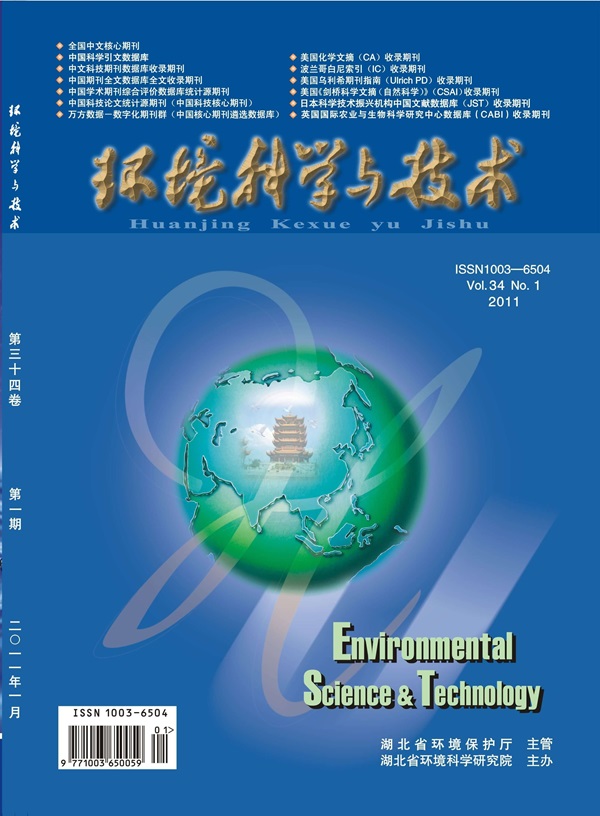
Environmental Science & Technology (ES&T) is a co-sponsored academic and technical magazine by the Hubei Provincial Environmental Protection Bureau and the Hubei Provincial Academy of Environmental Sciences.
Environmental Science & Technology (ES&T) holds the status of Chinese core journals, scientific papers source journals of China, Chinese Science Citation Database source journals, and Chinese Academic Journal Comprehensive Evaluation Database source journals. This publication focuses on the academic field of environmental protection, featuring articles related to environmental protection and technical advancements.

 求助内容:
 应助结果提醒方式:


 京公网安备 11010802042870号


