Holly Kirk, Dale Wright, Georgia E Garrard, Casey Visintin, Matthew Selinske, Sarah A Bekessy
{"title":"对自然积极发展的环境影响评价再思考","authors":"Holly Kirk, Dale Wright, Georgia E Garrard, Casey Visintin, Matthew Selinske, Sarah A Bekessy","doi":"10.1002/fee.70068","DOIUrl":null,"url":null,"abstract":"<p><b>Achieving “nature positive” development within existing regulatory frameworks will be challenging. Halting and reversing biodiversity loss requires protection, restoration, and enhancement of ecosystems alongside a fundamental shift in how biodiversity is valued and quantifiable improvements are assessed. A new approach is needed because traditional Environmental Impact Assessments (EIAs) focused on mitigating negative impacts will not promote positive outcomes. We propose an additional EIA pathway that assesses the potential for biodiversity gains at development sites, reframing biodiversity as an asset to be enhanced, rather than as a problem to avoid. By adding the identification of biodiversity-enhancing opportunities to development planning, this approach encourages actions that support sustainable and resilient ecosystems, providing a clearer link to the social and economic benefits that can also be accumulated. Through two hypothetical case studies, we illustrate how this nature positive pathway identifies biodiversity potential. We also discuss how developers may be incentivized to align with the global nature positive agenda</b>.</p>","PeriodicalId":171,"journal":{"name":"Frontiers in Ecology and the Environment","volume":"24 8","pages":""},"PeriodicalIF":6.5000,"publicationDate":"2026-10-01","publicationTypes":"Journal Article","fieldsOfStudy":null,"isOpenAccess":false,"openAccessPdf":"https://onlinelibrary.wiley.com/doi/epdf/10.1002/fee.70068","citationCount":"0","resultStr":"{\"title\":\"Rethinking Environmental Impact Assessment for nature positive development\",\"authors\":\"Holly Kirk, Dale Wright, Georgia E Garrard, Casey Visintin, Matthew Selinske, Sarah A Bekessy\",\"doi\":\"10.1002/fee.70068\",\"DOIUrl\":null,\"url\":null,\"abstract\":\"<p><b>Achieving “nature positive” development within existing regulatory frameworks will be challenging. Halting and reversing biodiversity loss requires protection, restoration, and enhancement of ecosystems alongside a fundamental shift in how biodiversity is valued and quantifiable improvements are assessed. A new approach is needed because traditional Environmental Impact Assessments (EIAs) focused on mitigating negative impacts will not promote positive outcomes. We propose an additional EIA pathway that assesses the potential for biodiversity gains at development sites, reframing biodiversity as an asset to be enhanced, rather than as a problem to avoid. By adding the identification of biodiversity-enhancing opportunities to development planning, this approach encourages actions that support sustainable and resilient ecosystems, providing a clearer link to the social and economic benefits that can also be accumulated. Through two hypothetical case studies, we illustrate how this nature positive pathway identifies biodiversity potential. We also discuss how developers may be incentivized to align with the global nature positive agenda</b>.</p>\",\"PeriodicalId\":171,\"journal\":{\"name\":\"Frontiers in Ecology and the Environment\",\"volume\":\"24 8\",\"pages\":\"\"},\"PeriodicalIF\":6.5000,\"publicationDate\":\"2026-10-01\",\"publicationTypes\":\"Journal Article\",\"fieldsOfStudy\":null,\"isOpenAccess\":false,\"openAccessPdf\":\"https://onlinelibrary.wiley.com/doi/epdf/10.1002/fee.70068\",\"citationCount\":\"0\",\"resultStr\":null,\"platform\":\"Semanticscholar\",\"paperid\":null,\"PeriodicalName\":\"Frontiers in Ecology and the Environment\",\"FirstCategoryId\":\"93\",\"ListUrlMain\":\"https://onlinelibrary.wiley.com/doi/10.1002/fee.70068\",\"RegionNum\":1,\"RegionCategory\":\"环境科学与生态学\",\"ArticlePicture\":[],\"TitleCN\":null,\"AbstractTextCN\":null,\"PMCID\":null,\"EPubDate\":\"2026/9/3 0:00:00\",\"PubModel\":\"Epub\",\"JCR\":\"Q1\",\"JCRName\":\"ECOLOGY\",\"Score\":null,\"Total\":0}","platform":"Semanticscholar","paperid":null,"PeriodicalName":"Frontiers in Ecology and the Environment","FirstCategoryId":"93","ListUrlMain":"https://onlinelibrary.wiley.com/doi/10.1002/fee.70068","RegionNum":1,"RegionCategory":"环境科学与生态学","ArticlePicture":[],"TitleCN":null,"AbstractTextCN":null,"PMCID":null,"EPubDate":"2026/9/3 0:00:00","PubModel":"Epub","JCR":"Q1","JCRName":"ECOLOGY","Score":null,"Total":0}
Rethinking Environmental Impact Assessment for nature positive development
Achieving “nature positive” development within existing regulatory frameworks will be challenging. Halting and reversing biodiversity loss requires protection, restoration, and enhancement of ecosystems alongside a fundamental shift in how biodiversity is valued and quantifiable improvements are assessed. A new approach is needed because traditional Environmental Impact Assessments (EIAs) focused on mitigating negative impacts will not promote positive outcomes. We propose an additional EIA pathway that assesses the potential for biodiversity gains at development sites, reframing biodiversity as an asset to be enhanced, rather than as a problem to avoid. By adding the identification of biodiversity-enhancing opportunities to development planning, this approach encourages actions that support sustainable and resilient ecosystems, providing a clearer link to the social and economic benefits that can also be accumulated. Through two hypothetical case studies, we illustrate how this nature positive pathway identifies biodiversity potential. We also discuss how developers may be incentivized to align with the global nature positive agenda.
期刊介绍:
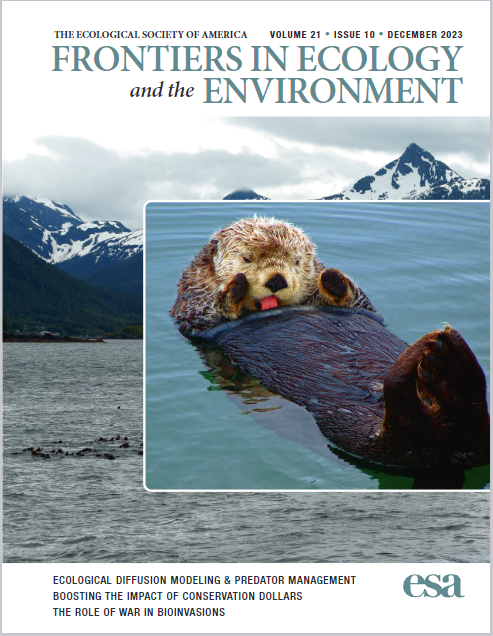
Frontiers in Ecology and the Environment is a publication by the Ecological Society of America that focuses on the significance of ecology and environmental science in various aspects of research and problem-solving. The journal covers topics such as biodiversity conservation, ecosystem preservation, natural resource management, public policy, and other related areas.
The publication features a range of content, including peer-reviewed articles, editorials, commentaries, letters, and occasional special issues and topical series. It releases ten issues per year, excluding January and July. ESA members receive both print and electronic copies of the journal, while institutional subscriptions are also available.
Frontiers in Ecology and the Environment is highly regarded in the field, as indicated by its ranking in the 2021 Journal Citation Reports by Clarivate Analytics. The journal is ranked 4th out of 174 in ecology journals and 11th out of 279 in environmental sciences journals. Its impact factor for 2021 is reported as 13.789, which further demonstrates its influence and importance in the scientific community.

 求助内容:
 应助结果提醒方式:


 京公网安备 11010802042870号


