{"title":"[数字技术在艾滋病防治中的应用评价内容与方法研究进展]。","authors":"Q S Wu, Z Y Yuan, Y L Wang, D Shan","doi":"10.3760/cma.j.cn112338-20260111-00030","DOIUrl":null,"url":null,"abstract":"<p><p>Digital technologies have been widely applied across the continuum of HIV/AIDS prevention and control. However, compared with the rapid expansion of practice, research on their effectiveness evaluation remains relatively lagging behind. Major challenges include the lack of a unified evaluation framework, inconsistent definitions and measurement of indicators, substantial variation in study designs and analytical methods, and limited comparability and integration of findings. This review systematically summarizes relevant domestic and international research and, drawing on the World Health Organization guideline on digital health interventions, the mHealth evidence reporting and assessment checklist, the reach, effectiveness, adoption, implementation, and maintenance framework commonly used in public health and implementation science, and the model for assessment of telemedicine commonly used in European telemedicine and health technology assessment, synthesizes research on the evaluation of digital HIV/AIDS prevention and control interventions from two perspectives: evaluation content and evaluation methods. The findings suggest that evaluation of digital HIV/AIDS interventions should focus on five core dimensions: coverage and accessibility, adoption and use behavior, implementation quality and fidelity, behavioral and health outcomes, and economic value and system sustainability. In terms of methodology, evaluation approaches have expanded from traditional randomized controlled trials, cohort studies, and before-and-after comparisons to a broader set of methods, including quasi-experimental studies, real-world studies, multi-source data analysis, data-driven modeling, and health economic evaluation. Overall, the evaluation of digital HIV/AIDS interventions is shifting from a primary focus on single health outcomes to a multidimensional approach that also considers processes, behaviors, outcomes, and system values. Future research should further standardize core indicators and measurement approaches, strengthen multisource data integration, and generate more evidence on ethics and compliance, privacy protection, user trust, cost-effectiveness, and long-term sustainability, thereby improving the scientific rigor, standardization, and practical value of evaluation in digital HIV/AIDS prevention and control.</p>","PeriodicalId":23968,"journal":{"name":"中华流行病学杂志","volume":"47 9","pages":"1725-1732"},"PeriodicalIF":0.0000,"publicationDate":"2026-09-10","publicationTypes":"Journal Article","fieldsOfStudy":null,"isOpenAccess":false,"openAccessPdf":"","citationCount":"0","resultStr":"{\"title\":\"[Research progress on the evaluation contents and methods for digital technologies application in HIV/AIDS prevention and control].\",\"authors\":\"Q S Wu, Z Y Yuan, Y L Wang, D Shan\",\"doi\":\"10.3760/cma.j.cn112338-20260111-00030\",\"DOIUrl\":null,\"url\":null,\"abstract\":\"<p><p>Digital technologies have been widely applied across the continuum of HIV/AIDS prevention and control. However, compared with the rapid expansion of practice, research on their effectiveness evaluation remains relatively lagging behind. Major challenges include the lack of a unified evaluation framework, inconsistent definitions and measurement of indicators, substantial variation in study designs and analytical methods, and limited comparability and integration of findings. This review systematically summarizes relevant domestic and international research and, drawing on the World Health Organization guideline on digital health interventions, the mHealth evidence reporting and assessment checklist, the reach, effectiveness, adoption, implementation, and maintenance framework commonly used in public health and implementation science, and the model for assessment of telemedicine commonly used in European telemedicine and health technology assessment, synthesizes research on the evaluation of digital HIV/AIDS prevention and control interventions from two perspectives: evaluation content and evaluation methods. The findings suggest that evaluation of digital HIV/AIDS interventions should focus on five core dimensions: coverage and accessibility, adoption and use behavior, implementation quality and fidelity, behavioral and health outcomes, and economic value and system sustainability. In terms of methodology, evaluation approaches have expanded from traditional randomized controlled trials, cohort studies, and before-and-after comparisons to a broader set of methods, including quasi-experimental studies, real-world studies, multi-source data analysis, data-driven modeling, and health economic evaluation. Overall, the evaluation of digital HIV/AIDS interventions is shifting from a primary focus on single health outcomes to a multidimensional approach that also considers processes, behaviors, outcomes, and system values. Future research should further standardize core indicators and measurement approaches, strengthen multisource data integration, and generate more evidence on ethics and compliance, privacy protection, user trust, cost-effectiveness, and long-term sustainability, thereby improving the scientific rigor, standardization, and practical value of evaluation in digital HIV/AIDS prevention and control.</p>\",\"PeriodicalId\":23968,\"journal\":{\"name\":\"中华流行病学杂志\",\"volume\":\"47 9\",\"pages\":\"1725-1732\"},\"PeriodicalIF\":0.0000,\"publicationDate\":\"2026-09-10\",\"publicationTypes\":\"Journal Article\",\"fieldsOfStudy\":null,\"isOpenAccess\":false,\"openAccessPdf\":\"\",\"citationCount\":\"0\",\"resultStr\":null,\"platform\":\"Semanticscholar\",\"paperid\":null,\"PeriodicalName\":\"中华流行病学杂志\",\"FirstCategoryId\":\"3\",\"ListUrlMain\":\"https://doi.org/10.3760/cma.j.cn112338-20260111-00030\",\"RegionNum\":0,\"RegionCategory\":null,\"ArticlePicture\":[],\"TitleCN\":null,\"AbstractTextCN\":null,\"PMCID\":null,\"EPubDate\":\"\",\"PubModel\":\"\",\"JCR\":\"Q1\",\"JCRName\":\"Medicine\",\"Score\":null,\"Total\":0}","platform":"Semanticscholar","paperid":null,"PeriodicalName":"中华流行病学杂志","FirstCategoryId":"3","ListUrlMain":"https://doi.org/10.3760/cma.j.cn112338-20260111-00030","RegionNum":0,"RegionCategory":null,"ArticlePicture":[],"TitleCN":null,"AbstractTextCN":null,"PMCID":null,"EPubDate":"","PubModel":"","JCR":"Q1","JCRName":"Medicine","Score":null,"Total":0}
[Research progress on the evaluation contents and methods for digital technologies application in HIV/AIDS prevention and control].
Digital technologies have been widely applied across the continuum of HIV/AIDS prevention and control. However, compared with the rapid expansion of practice, research on their effectiveness evaluation remains relatively lagging behind. Major challenges include the lack of a unified evaluation framework, inconsistent definitions and measurement of indicators, substantial variation in study designs and analytical methods, and limited comparability and integration of findings. This review systematically summarizes relevant domestic and international research and, drawing on the World Health Organization guideline on digital health interventions, the mHealth evidence reporting and assessment checklist, the reach, effectiveness, adoption, implementation, and maintenance framework commonly used in public health and implementation science, and the model for assessment of telemedicine commonly used in European telemedicine and health technology assessment, synthesizes research on the evaluation of digital HIV/AIDS prevention and control interventions from two perspectives: evaluation content and evaluation methods. The findings suggest that evaluation of digital HIV/AIDS interventions should focus on five core dimensions: coverage and accessibility, adoption and use behavior, implementation quality and fidelity, behavioral and health outcomes, and economic value and system sustainability. In terms of methodology, evaluation approaches have expanded from traditional randomized controlled trials, cohort studies, and before-and-after comparisons to a broader set of methods, including quasi-experimental studies, real-world studies, multi-source data analysis, data-driven modeling, and health economic evaluation. Overall, the evaluation of digital HIV/AIDS interventions is shifting from a primary focus on single health outcomes to a multidimensional approach that also considers processes, behaviors, outcomes, and system values. Future research should further standardize core indicators and measurement approaches, strengthen multisource data integration, and generate more evidence on ethics and compliance, privacy protection, user trust, cost-effectiveness, and long-term sustainability, thereby improving the scientific rigor, standardization, and practical value of evaluation in digital HIV/AIDS prevention and control.
期刊介绍:
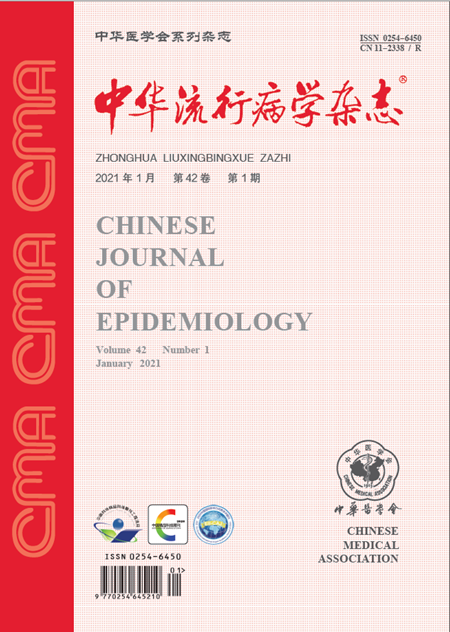
Chinese Journal of Epidemiology, established in 1981, is an advanced academic periodical in epidemiology and related disciplines in China, which, according to the principle of integrating theory with practice, mainly reports the major progress in epidemiological research. The columns of the journal include commentary, expert forum, original article, field investigation, disease surveillance, laboratory research, clinical epidemiology, basic theory or method and review, etc.
The journal is included by more than ten major biomedical databases and index systems worldwide, such as been indexed in Scopus, PubMed/MEDLINE, PubMed Central (PMC), Europe PubMed Central, Embase, Chemical Abstract, Chinese Science and Technology Paper and Citation Database (CSTPCD), Chinese core journal essentials overview, Chinese Science Citation Database (CSCD) core database, Chinese Biological Medical Disc (CBMdisc), and Chinese Medical Citation Index (CMCI), etc. It is one of the core academic journals and carefully selected core journals in preventive and basic medicine in China.

 求助内容:
 应助结果提醒方式:


 京公网安备 11010802042870号


