Neja Bizjak Štrus, Zlata Kelar Tučeková, Dávid Brodňanský, Jakub Kelar, Sebastian Dahle
{"title":"DCSBD等离子体处理,作为木器涂料表面脱脂剂的替代品","authors":"Neja Bizjak Štrus, Zlata Kelar Tučeková, Dávid Brodňanský, Jakub Kelar, Sebastian Dahle","doi":"10.1007/s10570-026-07041-z","DOIUrl":null,"url":null,"abstract":"<div><p>In recent years, research has focused on eco-friendly techniques to find alternatives to traditional methods to reduce environmental impact. This paper examines three wood degreasing methods and their impact on two different wood coatings. Conventionally used turpentine and petroleum-based solvents were compared with an environmentally friendly diffuse coplanar surface barrier discharge (DCSBD) plasma treatment for degreasing soft and hardwoods. The effect of plasma degreasing technique was tested on an antifouling paint (both with and without epoxy primer) and on a polyurethane varnish made from a modified alkyd resin. To evaluate degreasing methods on varnishes over time, accelerated artificial ageing was conducted for 240 h. Gloss, colour, ATR FT-IR and pull-off adhesion strength test measurements were taken for evaluation. All samples showed darkening and a loss of gloss after undergoing artificial weathering, with the most significant colour changes observed within the first 120 h. ATR FT-IR analysis indicated no significant differences in the coatings based on the degreasing method used. The degreasing technique did not impact the adhesive strength of the tested coatings. This confirms that plasma degreasing is just as effective as traditional methods and does not notably affect the appearance of the coating. These results show that plasma degreasing not only performs on par with solvent-based methods but also provides a solvent-free and sustainable alternative. This emphasises the innovation and environmental advantages of using DCSBD plasma for preparing wood surfaces. The method demonstrates significant potential for industrial implementation.</p></div>","PeriodicalId":511,"journal":{"name":"Cellulose","volume":"33 6","pages":"3587 - 3600"},"PeriodicalIF":4.8000,"publicationDate":"2026-04-19","publicationTypes":"Journal Article","fieldsOfStudy":null,"isOpenAccess":false,"openAccessPdf":"https://link.springer.com/content/pdf/10.1007/s10570-026-07041-z.pdf","citationCount":"0","resultStr":"{\"title\":\"DCSBD plasma treatment as an alternative to commercial surface degreasing agents before applying wood coatings\",\"authors\":\"Neja Bizjak Štrus, Zlata Kelar Tučeková, Dávid Brodňanský, Jakub Kelar, Sebastian Dahle\",\"doi\":\"10.1007/s10570-026-07041-z\",\"DOIUrl\":null,\"url\":null,\"abstract\":\"<div><p>In recent years, research has focused on eco-friendly techniques to find alternatives to traditional methods to reduce environmental impact. This paper examines three wood degreasing methods and their impact on two different wood coatings. Conventionally used turpentine and petroleum-based solvents were compared with an environmentally friendly diffuse coplanar surface barrier discharge (DCSBD) plasma treatment for degreasing soft and hardwoods. The effect of plasma degreasing technique was tested on an antifouling paint (both with and without epoxy primer) and on a polyurethane varnish made from a modified alkyd resin. To evaluate degreasing methods on varnishes over time, accelerated artificial ageing was conducted for 240 h. Gloss, colour, ATR FT-IR and pull-off adhesion strength test measurements were taken for evaluation. All samples showed darkening and a loss of gloss after undergoing artificial weathering, with the most significant colour changes observed within the first 120 h. ATR FT-IR analysis indicated no significant differences in the coatings based on the degreasing method used. The degreasing technique did not impact the adhesive strength of the tested coatings. This confirms that plasma degreasing is just as effective as traditional methods and does not notably affect the appearance of the coating. These results show that plasma degreasing not only performs on par with solvent-based methods but also provides a solvent-free and sustainable alternative. This emphasises the innovation and environmental advantages of using DCSBD plasma for preparing wood surfaces. The method demonstrates significant potential for industrial implementation.</p></div>\",\"PeriodicalId\":511,\"journal\":{\"name\":\"Cellulose\",\"volume\":\"33 6\",\"pages\":\"3587 - 3600\"},\"PeriodicalIF\":4.8000,\"publicationDate\":\"2026-04-19\",\"publicationTypes\":\"Journal Article\",\"fieldsOfStudy\":null,\"isOpenAccess\":false,\"openAccessPdf\":\"https://link.springer.com/content/pdf/10.1007/s10570-026-07041-z.pdf\",\"citationCount\":\"0\",\"resultStr\":null,\"platform\":\"Semanticscholar\",\"paperid\":null,\"PeriodicalName\":\"Cellulose\",\"FirstCategoryId\":\"88\",\"ListUrlMain\":\"https://link.springer.com/article/10.1007/s10570-026-07041-z\",\"RegionNum\":2,\"RegionCategory\":\"工程技术\",\"ArticlePicture\":[],\"TitleCN\":null,\"AbstractTextCN\":null,\"PMCID\":null,\"EPubDate\":\"\",\"PubModel\":\"\",\"JCR\":\"Q1\",\"JCRName\":\"MATERIALS SCIENCE, PAPER & WOOD\",\"Score\":null,\"Total\":0}","platform":"Semanticscholar","paperid":null,"PeriodicalName":"Cellulose","FirstCategoryId":"88","ListUrlMain":"https://link.springer.com/article/10.1007/s10570-026-07041-z","RegionNum":2,"RegionCategory":"工程技术","ArticlePicture":[],"TitleCN":null,"AbstractTextCN":null,"PMCID":null,"EPubDate":"","PubModel":"","JCR":"Q1","JCRName":"MATERIALS SCIENCE, PAPER & WOOD","Score":null,"Total":0}
DCSBD plasma treatment as an alternative to commercial surface degreasing agents before applying wood coatings
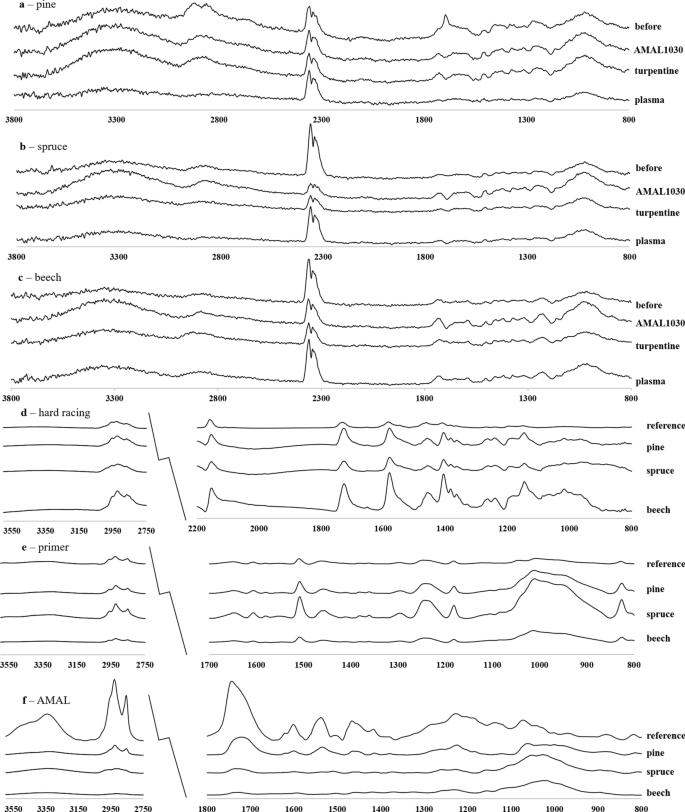
In recent years, research has focused on eco-friendly techniques to find alternatives to traditional methods to reduce environmental impact. This paper examines three wood degreasing methods and their impact on two different wood coatings. Conventionally used turpentine and petroleum-based solvents were compared with an environmentally friendly diffuse coplanar surface barrier discharge (DCSBD) plasma treatment for degreasing soft and hardwoods. The effect of plasma degreasing technique was tested on an antifouling paint (both with and without epoxy primer) and on a polyurethane varnish made from a modified alkyd resin. To evaluate degreasing methods on varnishes over time, accelerated artificial ageing was conducted for 240 h. Gloss, colour, ATR FT-IR and pull-off adhesion strength test measurements were taken for evaluation. All samples showed darkening and a loss of gloss after undergoing artificial weathering, with the most significant colour changes observed within the first 120 h. ATR FT-IR analysis indicated no significant differences in the coatings based on the degreasing method used. The degreasing technique did not impact the adhesive strength of the tested coatings. This confirms that plasma degreasing is just as effective as traditional methods and does not notably affect the appearance of the coating. These results show that plasma degreasing not only performs on par with solvent-based methods but also provides a solvent-free and sustainable alternative. This emphasises the innovation and environmental advantages of using DCSBD plasma for preparing wood surfaces. The method demonstrates significant potential for industrial implementation.
期刊介绍:
Cellulose is an international journal devoted to the dissemination of research and scientific and technological progress in the field of cellulose and related naturally occurring polymers. The journal is concerned with the pure and applied science of cellulose and related materials, and also with the development of relevant new technologies. This includes the chemistry, biochemistry, physics and materials science of cellulose and its sources, including wood and other biomass resources, and their derivatives. Coverage extends to the conversion of these polymers and resources into manufactured goods, such as pulp, paper, textiles, and manufactured as well natural fibers, and to the chemistry of materials used in their processing. Cellulose publishes review articles, research papers, and technical notes.

 求助内容:
求助内容: 应助结果提醒方式:

 京公网安备 11010802042870号


