{"title":"柞蚕茎中羧甲基纤维素钠纳米颗粒的制备与表征","authors":"Samy A. Elsayed, M. A. Elhady, A. K. Tammam","doi":"10.1007/s10924-026-03836-0","DOIUrl":null,"url":null,"abstract":"<div><p>This study presents an innovative method for extracting sodium carboxymethyl cellulose nanoparticles (Na-CMC NPs) from the lignocellulosic biomass of water hyacinth (<i>Eichhornia crassipes</i>). The process consists of two major stages: cellulose extraction and Na-CMC synthesis, followed by nanoparticle precipitation. Structural analysis confirmed the success of the extraction process, with X-ray diffraction (XRD) revealing a semi-crystalline structure with a high degree of crystallinity (81 ± 1) % and nanoparticle sizes (11–40) nm. Fourier-transform infrared (FTIR) and NMR spectroscopy verified the substitution pattern and molecular structure. Thermal gravimetric analysis (TGA) identified four distinct decomposition stages, indicating good thermal stability. For the first time, the dielectric properties of Na CMC NPs derived from water hyacinth were thoroughly investigated revealing a correlated barrier hopping (CBH) conduction mechanism with a relaxation activation energy of 0.12 ± 0.05 eV. Morphological characterization by scanning electron microscopy (SEM) and transmission electron microscopy (TEM) confirmed the formation of nanoparticles with diameters ranging from (50–200) nm. The yield of Na-CMC NPs was 62 ± 3%, with a degree of substitution of 0.68. These findings highlight the potential of converting an invasive species into a functional biopolymer nanomaterial with tunable properties for potential applications in electronics, packaging, or as a sustainable polymer matrix. The work establishes a foundation for further exploration of Na-CMC NPs in specific industrial applications.</p></div>","PeriodicalId":659,"journal":{"name":"Journal of Polymers and the Environment","volume":"34 5","pages":""},"PeriodicalIF":5.0000,"publicationDate":"2026-04-29","publicationTypes":"Journal Article","fieldsOfStudy":null,"isOpenAccess":false,"openAccessPdf":"https://link.springer.com/content/pdf/10.1007/s10924-026-03836-0.pdf","citationCount":"0","resultStr":"{\"title\":\"Fabrication and Characterization of Sodium Carboxymethylcellulose Nanoparticles from Eichhornia crassipes Stem\",\"authors\":\"Samy A. Elsayed, M. A. Elhady, A. K. Tammam\",\"doi\":\"10.1007/s10924-026-03836-0\",\"DOIUrl\":null,\"url\":null,\"abstract\":\"<div><p>This study presents an innovative method for extracting sodium carboxymethyl cellulose nanoparticles (Na-CMC NPs) from the lignocellulosic biomass of water hyacinth (<i>Eichhornia crassipes</i>). The process consists of two major stages: cellulose extraction and Na-CMC synthesis, followed by nanoparticle precipitation. Structural analysis confirmed the success of the extraction process, with X-ray diffraction (XRD) revealing a semi-crystalline structure with a high degree of crystallinity (81 ± 1) % and nanoparticle sizes (11–40) nm. Fourier-transform infrared (FTIR) and NMR spectroscopy verified the substitution pattern and molecular structure. Thermal gravimetric analysis (TGA) identified four distinct decomposition stages, indicating good thermal stability. For the first time, the dielectric properties of Na CMC NPs derived from water hyacinth were thoroughly investigated revealing a correlated barrier hopping (CBH) conduction mechanism with a relaxation activation energy of 0.12 ± 0.05 eV. Morphological characterization by scanning electron microscopy (SEM) and transmission electron microscopy (TEM) confirmed the formation of nanoparticles with diameters ranging from (50–200) nm. The yield of Na-CMC NPs was 62 ± 3%, with a degree of substitution of 0.68. These findings highlight the potential of converting an invasive species into a functional biopolymer nanomaterial with tunable properties for potential applications in electronics, packaging, or as a sustainable polymer matrix. The work establishes a foundation for further exploration of Na-CMC NPs in specific industrial applications.</p></div>\",\"PeriodicalId\":659,\"journal\":{\"name\":\"Journal of Polymers and the Environment\",\"volume\":\"34 5\",\"pages\":\"\"},\"PeriodicalIF\":5.0000,\"publicationDate\":\"2026-04-29\",\"publicationTypes\":\"Journal Article\",\"fieldsOfStudy\":null,\"isOpenAccess\":false,\"openAccessPdf\":\"https://link.springer.com/content/pdf/10.1007/s10924-026-03836-0.pdf\",\"citationCount\":\"0\",\"resultStr\":null,\"platform\":\"Semanticscholar\",\"paperid\":null,\"PeriodicalName\":\"Journal of Polymers and the Environment\",\"FirstCategoryId\":\"5\",\"ListUrlMain\":\"https://link.springer.com/article/10.1007/s10924-026-03836-0\",\"RegionNum\":3,\"RegionCategory\":\"工程技术\",\"ArticlePicture\":[],\"TitleCN\":null,\"AbstractTextCN\":null,\"PMCID\":null,\"EPubDate\":\"\",\"PubModel\":\"\",\"JCR\":\"Q2\",\"JCRName\":\"ENGINEERING, ENVIRONMENTAL\",\"Score\":null,\"Total\":0}","platform":"Semanticscholar","paperid":null,"PeriodicalName":"Journal of Polymers and the Environment","FirstCategoryId":"5","ListUrlMain":"https://link.springer.com/article/10.1007/s10924-026-03836-0","RegionNum":3,"RegionCategory":"工程技术","ArticlePicture":[],"TitleCN":null,"AbstractTextCN":null,"PMCID":null,"EPubDate":"","PubModel":"","JCR":"Q2","JCRName":"ENGINEERING, ENVIRONMENTAL","Score":null,"Total":0}
Fabrication and Characterization of Sodium Carboxymethylcellulose Nanoparticles from Eichhornia crassipes Stem
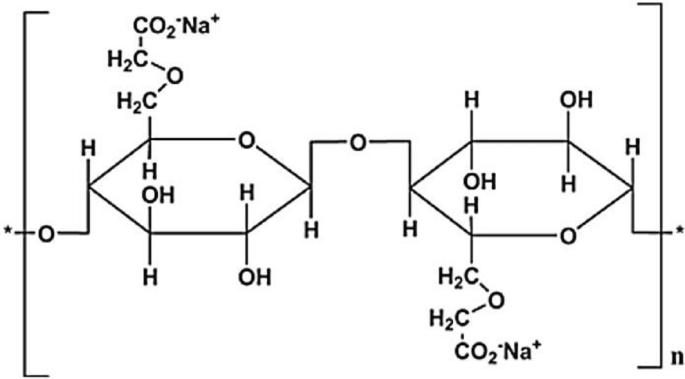
This study presents an innovative method for extracting sodium carboxymethyl cellulose nanoparticles (Na-CMC NPs) from the lignocellulosic biomass of water hyacinth (Eichhornia crassipes). The process consists of two major stages: cellulose extraction and Na-CMC synthesis, followed by nanoparticle precipitation. Structural analysis confirmed the success of the extraction process, with X-ray diffraction (XRD) revealing a semi-crystalline structure with a high degree of crystallinity (81 ± 1) % and nanoparticle sizes (11–40) nm. Fourier-transform infrared (FTIR) and NMR spectroscopy verified the substitution pattern and molecular structure. Thermal gravimetric analysis (TGA) identified four distinct decomposition stages, indicating good thermal stability. For the first time, the dielectric properties of Na CMC NPs derived from water hyacinth were thoroughly investigated revealing a correlated barrier hopping (CBH) conduction mechanism with a relaxation activation energy of 0.12 ± 0.05 eV. Morphological characterization by scanning electron microscopy (SEM) and transmission electron microscopy (TEM) confirmed the formation of nanoparticles with diameters ranging from (50–200) nm. The yield of Na-CMC NPs was 62 ± 3%, with a degree of substitution of 0.68. These findings highlight the potential of converting an invasive species into a functional biopolymer nanomaterial with tunable properties for potential applications in electronics, packaging, or as a sustainable polymer matrix. The work establishes a foundation for further exploration of Na-CMC NPs in specific industrial applications.
期刊介绍:
The Journal of Polymers and the Environment fills the need for an international forum in this diverse and rapidly expanding field. The journal serves a crucial role for the publication of information from a wide range of disciplines and is a central outlet for the publication of high-quality peer-reviewed original papers, review articles and short communications. The journal is intentionally interdisciplinary in regard to contributions and covers the following subjects - polymers, environmentally degradable polymers, and degradation pathways: biological, photochemical, oxidative and hydrolytic; new environmental materials: derived by chemical and biosynthetic routes; environmental blends and composites; developments in processing and reactive processing of environmental polymers; characterization of environmental materials: mechanical, physical, thermal, rheological, morphological, and others; recyclable polymers and plastics recycling environmental testing: in-laboratory simulations, outdoor exposures, and standardization of methodologies; environmental fate: end products and intermediates of biodegradation; microbiology and enzymology of polymer biodegradation; solid-waste management and public legislation specific to environmental polymers; and other related topics.

 求助内容:
求助内容: 应助结果提醒方式:

 京公网安备 11010802042870号


