{"title":"心脏磁共振在椎板病中作用的荟萃分析。","authors":"Sina Shahshenas , Arash Anissian , Mohammadreza Jalali Nadoushan , Masood Soltanipur","doi":"10.1016/j.acvd.2026.02.003","DOIUrl":null,"url":null,"abstract":"<div><div>Lamin A/C (<em>LMNA</em>) cardiomyopathy is an inherited form of dilated cardiomyopathy associated with high rates of arrhythmias, conduction disease and sudden cardiac death, often preceding overt heart failure. Although LMNA mutations account for a minority of dilated cardiomyopathy cases, they portend a particularly malignant course. Cardiac magnetic resonance (CMR) imaging, particularly the detection of late gadolinium enhancement, has emerged as a valuable tool for assessing myocardial fibrosis and risk stratification in laminopathy. This study aims to systematically evaluate the structural, functional and prognostic CMR features in LMNA mutation carriers, and to quantify the diagnostic and clinical implications of myocardial fibrosis. A comprehensive literature search was conducted through June 2025. Studies involving genetically confirmed LMNA mutation carriers with CMR data were included. Outcomes included ventricular variables (left ventricular ejection fraction, left ventricular end-diastolic volume index, left ventricular end-systolic volume index, left ventricular wall mass index), late gadolinium enhancement (LGE) presence and arrhythmic events. Between-group comparisons were made: LMNA cardiomyopathy versus healthy controls; laminopathy with versus without LGE; and LMNA-positive versus LMNA-negative cardiomyopathy. We identified 10 studies involving 847 individuals. The LGE risk ratio for patients with LMNA cardiomyopathy versus healthy controls was 14.39 (<em>P</em> <!--><<!--> <!-->0.001); the LGE risk ratio for patients with LMNA-positive versus LMNA-negative cardiomyopathy was 2.14 (<em>P</em> <!--><<!--> <!-->0.001). In patients with laminopathy, LGE was associated with an increased risk of atrioventricular block (risk ratio 6.94; <em>P</em> <!-->=<!--> <!-->0.004) and a trend towards more ventricular tachyarrhythmia (risk ratio 3.32; <em>P</em> <!-->=<!--> <!-->0.056). Despite these fibrotic changes, left ventricular volumes and wall mass did not differ significantly from controls. CMR imaging identifies a high burden of fibrosis in LMNA cardiomyopathy, even in early disease, with strong prognostic implications. LGE presence is a key risk marker for arrhythmia and conduction disease, supporting early imaging-based risk stratification and possible preventive implantable cardioverter-defibrillator implantation in mutation carriers.</div></div>","PeriodicalId":55472,"journal":{"name":"Archives of Cardiovascular Diseases","volume":"119 5","pages":"Pages 357-367"},"PeriodicalIF":2.2000,"publicationDate":"2026-05-01","publicationTypes":"Journal Article","fieldsOfStudy":null,"isOpenAccess":false,"openAccessPdf":"","citationCount":"0","resultStr":"{\"title\":\"Meta-analysis of the role of cardiac magnetic resonance in laminopathy\",\"authors\":\"Sina Shahshenas , Arash Anissian , Mohammadreza Jalali Nadoushan , Masood Soltanipur\",\"doi\":\"10.1016/j.acvd.2026.02.003\",\"DOIUrl\":null,\"url\":null,\"abstract\":\"<div><div>Lamin A/C (<em>LMNA</em>) cardiomyopathy is an inherited form of dilated cardiomyopathy associated with high rates of arrhythmias, conduction disease and sudden cardiac death, often preceding overt heart failure. Although LMNA mutations account for a minority of dilated cardiomyopathy cases, they portend a particularly malignant course. Cardiac magnetic resonance (CMR) imaging, particularly the detection of late gadolinium enhancement, has emerged as a valuable tool for assessing myocardial fibrosis and risk stratification in laminopathy. This study aims to systematically evaluate the structural, functional and prognostic CMR features in LMNA mutation carriers, and to quantify the diagnostic and clinical implications of myocardial fibrosis. A comprehensive literature search was conducted through June 2025. Studies involving genetically confirmed LMNA mutation carriers with CMR data were included. Outcomes included ventricular variables (left ventricular ejection fraction, left ventricular end-diastolic volume index, left ventricular end-systolic volume index, left ventricular wall mass index), late gadolinium enhancement (LGE) presence and arrhythmic events. Between-group comparisons were made: LMNA cardiomyopathy versus healthy controls; laminopathy with versus without LGE; and LMNA-positive versus LMNA-negative cardiomyopathy. We identified 10 studies involving 847 individuals. The LGE risk ratio for patients with LMNA cardiomyopathy versus healthy controls was 14.39 (<em>P</em> <!--><<!--> <!-->0.001); the LGE risk ratio for patients with LMNA-positive versus LMNA-negative cardiomyopathy was 2.14 (<em>P</em> <!--><<!--> <!-->0.001). In patients with laminopathy, LGE was associated with an increased risk of atrioventricular block (risk ratio 6.94; <em>P</em> <!-->=<!--> <!-->0.004) and a trend towards more ventricular tachyarrhythmia (risk ratio 3.32; <em>P</em> <!-->=<!--> <!-->0.056). Despite these fibrotic changes, left ventricular volumes and wall mass did not differ significantly from controls. CMR imaging identifies a high burden of fibrosis in LMNA cardiomyopathy, even in early disease, with strong prognostic implications. LGE presence is a key risk marker for arrhythmia and conduction disease, supporting early imaging-based risk stratification and possible preventive implantable cardioverter-defibrillator implantation in mutation carriers.</div></div>\",\"PeriodicalId\":55472,\"journal\":{\"name\":\"Archives of Cardiovascular Diseases\",\"volume\":\"119 5\",\"pages\":\"Pages 357-367\"},\"PeriodicalIF\":2.2000,\"publicationDate\":\"2026-05-01\",\"publicationTypes\":\"Journal Article\",\"fieldsOfStudy\":null,\"isOpenAccess\":false,\"openAccessPdf\":\"\",\"citationCount\":\"0\",\"resultStr\":null,\"platform\":\"Semanticscholar\",\"paperid\":null,\"PeriodicalName\":\"Archives of Cardiovascular Diseases\",\"FirstCategoryId\":\"3\",\"ListUrlMain\":\"https://www.sciencedirect.com/science/article/pii/S1875213626000549\",\"RegionNum\":3,\"RegionCategory\":\"医学\",\"ArticlePicture\":[],\"TitleCN\":null,\"AbstractTextCN\":null,\"PMCID\":null,\"EPubDate\":\"2026/3/24 0:00:00\",\"PubModel\":\"Epub\",\"JCR\":\"Q2\",\"JCRName\":\"CARDIAC & CARDIOVASCULAR SYSTEMS\",\"Score\":null,\"Total\":0}","platform":"Semanticscholar","paperid":null,"PeriodicalName":"Archives of Cardiovascular Diseases","FirstCategoryId":"3","ListUrlMain":"https://www.sciencedirect.com/science/article/pii/S1875213626000549","RegionNum":3,"RegionCategory":"医学","ArticlePicture":[],"TitleCN":null,"AbstractTextCN":null,"PMCID":null,"EPubDate":"2026/3/24 0:00:00","PubModel":"Epub","JCR":"Q2","JCRName":"CARDIAC & CARDIOVASCULAR SYSTEMS","Score":null,"Total":0}
Meta-analysis of the role of cardiac magnetic resonance in laminopathy
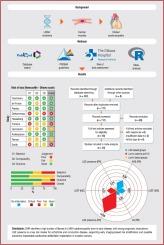
Lamin A/C (LMNA) cardiomyopathy is an inherited form of dilated cardiomyopathy associated with high rates of arrhythmias, conduction disease and sudden cardiac death, often preceding overt heart failure. Although LMNA mutations account for a minority of dilated cardiomyopathy cases, they portend a particularly malignant course. Cardiac magnetic resonance (CMR) imaging, particularly the detection of late gadolinium enhancement, has emerged as a valuable tool for assessing myocardial fibrosis and risk stratification in laminopathy. This study aims to systematically evaluate the structural, functional and prognostic CMR features in LMNA mutation carriers, and to quantify the diagnostic and clinical implications of myocardial fibrosis. A comprehensive literature search was conducted through June 2025. Studies involving genetically confirmed LMNA mutation carriers with CMR data were included. Outcomes included ventricular variables (left ventricular ejection fraction, left ventricular end-diastolic volume index, left ventricular end-systolic volume index, left ventricular wall mass index), late gadolinium enhancement (LGE) presence and arrhythmic events. Between-group comparisons were made: LMNA cardiomyopathy versus healthy controls; laminopathy with versus without LGE; and LMNA-positive versus LMNA-negative cardiomyopathy. We identified 10 studies involving 847 individuals. The LGE risk ratio for patients with LMNA cardiomyopathy versus healthy controls was 14.39 (P < 0.001); the LGE risk ratio for patients with LMNA-positive versus LMNA-negative cardiomyopathy was 2.14 (P < 0.001). In patients with laminopathy, LGE was associated with an increased risk of atrioventricular block (risk ratio 6.94; P = 0.004) and a trend towards more ventricular tachyarrhythmia (risk ratio 3.32; P = 0.056). Despite these fibrotic changes, left ventricular volumes and wall mass did not differ significantly from controls. CMR imaging identifies a high burden of fibrosis in LMNA cardiomyopathy, even in early disease, with strong prognostic implications. LGE presence is a key risk marker for arrhythmia and conduction disease, supporting early imaging-based risk stratification and possible preventive implantable cardioverter-defibrillator implantation in mutation carriers.
期刊介绍:
The Journal publishes original peer-reviewed clinical and research articles, epidemiological studies, new methodological clinical approaches, review articles and editorials. Topics covered include coronary artery and valve diseases, interventional and pediatric cardiology, cardiovascular surgery, cardiomyopathy and heart failure, arrhythmias and stimulation, cardiovascular imaging, vascular medicine and hypertension, epidemiology and risk factors, and large multicenter studies. Archives of Cardiovascular Diseases also publishes abstracts of papers presented at the annual sessions of the Journées Européennes de la Société Française de Cardiologie and the guidelines edited by the French Society of Cardiology.