Ingy M. Hashad, Heba A. S. El-Nashar, Dalia O. Saleh, Nesma M. E. Abo El-Nasr, Marwa E. Shabana, Usama R. Abdelmohsen, Nada M. Mostafa, Ahmed M. Mostafa
{"title":"柑桔果实甲醇提取物促进大鼠伤口愈合:实验动物研究和lc - hremsims代谢组学分析","authors":"Ingy M. Hashad, Heba A. S. El-Nashar, Dalia O. Saleh, Nesma M. E. Abo El-Nasr, Marwa E. Shabana, Usama R. Abdelmohsen, Nada M. Mostafa, Ahmed M. Mostafa","doi":"10.1186/s43088-026-00758-7","DOIUrl":null,"url":null,"abstract":"<div><h3>Background</h3><p><i>Citrus japonica (C. japonica</i>), known as Kumquat, is small-size edible fruit native to South Asian regions and reported for its anti-inflammatory and antioxidant properties. This manuscript aimed to investigate LC-HRESIMS-based metabolomic profiling and wound healing properties of <i>C. japonica</i> fruit extract hydrogel formulation.</p><h3>Methods</h3><p>The metabolic profiling of the fruit extract was investigated using LC-HRESIMS. The extract was formulated in hydrogel preparation and examined for in vivo wound healing activity. Twenty rats were divided into four different groups (n = 5); the negative control group did not undergo any wound creation; the positive control group was wounded and did not receive daily application of a topical formulation based on the wound area; the reference group consisted of wounded rats treated with MEBO® ointment applied to the wound area. The remaining group of rats were wounded and received topical preparations of <i>C. japonica</i> with variations in the size of the applicator head. The effects of <i>C. japonica</i> fruit extract were examined on all phases of wound healing via assessment of the expression levels of key markers such as TNF-α, VEGF, PDGF, and TIMP-2. Besides, morphological and histopathological studies were conducted.</p><h3>Results</h3><p>The findings reveal that treatment with <i>C. japonica</i> extract expedites wound healing, showing comparable effectiveness to standard treatments like MEBO®. Understanding these molecular markers provides valuable insights for designing precise treatments that enhance the wound healing process and minimize complications in clinical settings. The LC-HRESIMS revealed the characterization of 21 secondary metabolites belonging to methoxylated flavonoids, phenolic acids, anthocyanins, and coumarins.</p><h3>Conclusion</h3><p><i>C. japonica</i> gel exhibits significant efficacy in wound healing in vivo and warrants further investigation for potential clinical applications.</p></div>","PeriodicalId":481,"journal":{"name":"Beni-Suef University Journal of Basic and Applied Sciences","volume":"15 1","pages":""},"PeriodicalIF":2.6000,"publicationDate":"2026-04-09","publicationTypes":"Journal Article","fieldsOfStudy":null,"isOpenAccess":false,"openAccessPdf":"https://link.springer.com/content/pdf/10.1186/s43088-026-00758-7.pdf","citationCount":"0","resultStr":"{\"title\":\"Methanolic extract of Citrus japonica fruits accelerates wound healing in rats: an experimental animal study and LC-HRESIMS metabolomic analysis\",\"authors\":\"Ingy M. Hashad, Heba A. S. El-Nashar, Dalia O. Saleh, Nesma M. E. Abo El-Nasr, Marwa E. Shabana, Usama R. Abdelmohsen, Nada M. Mostafa, Ahmed M. Mostafa\",\"doi\":\"10.1186/s43088-026-00758-7\",\"DOIUrl\":null,\"url\":null,\"abstract\":\"<div><h3>Background</h3><p><i>Citrus japonica (C. japonica</i>), known as Kumquat, is small-size edible fruit native to South Asian regions and reported for its anti-inflammatory and antioxidant properties. This manuscript aimed to investigate LC-HRESIMS-based metabolomic profiling and wound healing properties of <i>C. japonica</i> fruit extract hydrogel formulation.</p><h3>Methods</h3><p>The metabolic profiling of the fruit extract was investigated using LC-HRESIMS. The extract was formulated in hydrogel preparation and examined for in vivo wound healing activity. Twenty rats were divided into four different groups (n = 5); the negative control group did not undergo any wound creation; the positive control group was wounded and did not receive daily application of a topical formulation based on the wound area; the reference group consisted of wounded rats treated with MEBO® ointment applied to the wound area. The remaining group of rats were wounded and received topical preparations of <i>C. japonica</i> with variations in the size of the applicator head. The effects of <i>C. japonica</i> fruit extract were examined on all phases of wound healing via assessment of the expression levels of key markers such as TNF-α, VEGF, PDGF, and TIMP-2. Besides, morphological and histopathological studies were conducted.</p><h3>Results</h3><p>The findings reveal that treatment with <i>C. japonica</i> extract expedites wound healing, showing comparable effectiveness to standard treatments like MEBO®. Understanding these molecular markers provides valuable insights for designing precise treatments that enhance the wound healing process and minimize complications in clinical settings. The LC-HRESIMS revealed the characterization of 21 secondary metabolites belonging to methoxylated flavonoids, phenolic acids, anthocyanins, and coumarins.</p><h3>Conclusion</h3><p><i>C. japonica</i> gel exhibits significant efficacy in wound healing in vivo and warrants further investigation for potential clinical applications.</p></div>\",\"PeriodicalId\":481,\"journal\":{\"name\":\"Beni-Suef University Journal of Basic and Applied Sciences\",\"volume\":\"15 1\",\"pages\":\"\"},\"PeriodicalIF\":2.6000,\"publicationDate\":\"2026-04-09\",\"publicationTypes\":\"Journal Article\",\"fieldsOfStudy\":null,\"isOpenAccess\":false,\"openAccessPdf\":\"https://link.springer.com/content/pdf/10.1186/s43088-026-00758-7.pdf\",\"citationCount\":\"0\",\"resultStr\":null,\"platform\":\"Semanticscholar\",\"paperid\":null,\"PeriodicalName\":\"Beni-Suef University Journal of Basic and Applied Sciences\",\"FirstCategoryId\":\"1085\",\"ListUrlMain\":\"https://link.springer.com/article/10.1186/s43088-026-00758-7\",\"RegionNum\":0,\"RegionCategory\":null,\"ArticlePicture\":[],\"TitleCN\":null,\"AbstractTextCN\":null,\"PMCID\":null,\"EPubDate\":\"\",\"PubModel\":\"\",\"JCR\":\"Q2\",\"JCRName\":\"MULTIDISCIPLINARY SCIENCES\",\"Score\":null,\"Total\":0}","platform":"Semanticscholar","paperid":null,"PeriodicalName":"Beni-Suef University Journal of Basic and Applied Sciences","FirstCategoryId":"1085","ListUrlMain":"https://link.springer.com/article/10.1186/s43088-026-00758-7","RegionNum":0,"RegionCategory":null,"ArticlePicture":[],"TitleCN":null,"AbstractTextCN":null,"PMCID":null,"EPubDate":"","PubModel":"","JCR":"Q2","JCRName":"MULTIDISCIPLINARY SCIENCES","Score":null,"Total":0}
Methanolic extract of Citrus japonica fruits accelerates wound healing in rats: an experimental animal study and LC-HRESIMS metabolomic analysis
Background
Citrus japonica (C. japonica), known as Kumquat, is small-size edible fruit native to South Asian regions and reported for its anti-inflammatory and antioxidant properties. This manuscript aimed to investigate LC-HRESIMS-based metabolomic profiling and wound healing properties of C. japonica fruit extract hydrogel formulation.
Methods
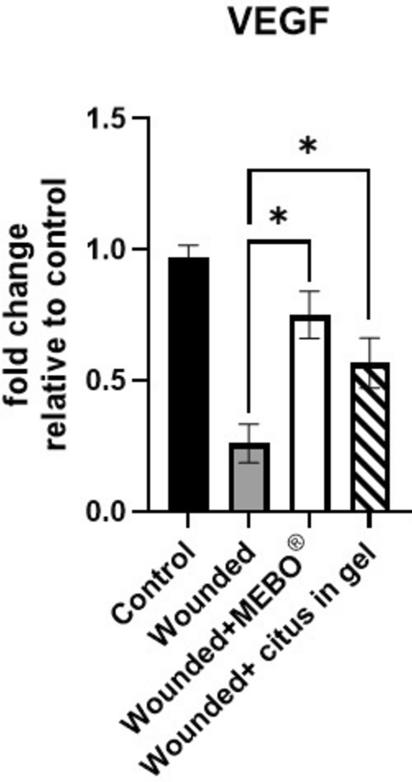
The metabolic profiling of the fruit extract was investigated using LC-HRESIMS. The extract was formulated in hydrogel preparation and examined for in vivo wound healing activity. Twenty rats were divided into four different groups (n = 5); the negative control group did not undergo any wound creation; the positive control group was wounded and did not receive daily application of a topical formulation based on the wound area; the reference group consisted of wounded rats treated with MEBO® ointment applied to the wound area. The remaining group of rats were wounded and received topical preparations of C. japonica with variations in the size of the applicator head. The effects of C. japonica fruit extract were examined on all phases of wound healing via assessment of the expression levels of key markers such as TNF-α, VEGF, PDGF, and TIMP-2. Besides, morphological and histopathological studies were conducted.
Results
The findings reveal that treatment with C. japonica extract expedites wound healing, showing comparable effectiveness to standard treatments like MEBO®. Understanding these molecular markers provides valuable insights for designing precise treatments that enhance the wound healing process and minimize complications in clinical settings. The LC-HRESIMS revealed the characterization of 21 secondary metabolites belonging to methoxylated flavonoids, phenolic acids, anthocyanins, and coumarins.
Conclusion
C. japonica gel exhibits significant efficacy in wound healing in vivo and warrants further investigation for potential clinical applications.
期刊介绍:
Beni-Suef University Journal of Basic and Applied Sciences (BJBAS) is a peer-reviewed, open-access journal. This journal welcomes submissions of original research, literature reviews, and editorials in its respected fields of fundamental science, applied science (with a particular focus on the fields of applied nanotechnology and biotechnology), medical sciences, pharmaceutical sciences, and engineering. The multidisciplinary aspects of the journal encourage global collaboration between researchers in multiple fields and provide cross-disciplinary dissemination of findings.

 求助内容:
求助内容: 应助结果提醒方式:

 京公网安备 11010802042870号


