{"title":"电脉冲下集肤效应的可视化及其对冷轧铝合金组织和强度的影响","authors":"A. Kh. Valeeva, I. Sh. Valeev, M. V. Markushev","doi":"10.1134/S1067821225601388","DOIUrl":null,"url":null,"abstract":"<p>Using a high-speed thermal imaging camera, the temperature field on the surface of a 3 × 3 mm square sample of cryorolled high-strength aluminum alloy was recorded and analyzed during high-dense electropulsed processing. Uneven heating of the surface was observed, manifested by elevated temperatures in areas adjacent to the fins. The results of a comparative analysis of the alloy microstructure changes by SEM-EBSD method and the microhardness distributions along the specimen cross-section, induced by a current pulsing, are discussed. It was found that in zones of increased heating adjacent to the specimen’s surfaces, static processes of recovery and recrystallization of the highly work-hardened structure were more intense and accompanied by greater softening. It is concluded that this phenomenon is caused by the skin-effect inherent to electropulse treatment. Good agreement is demonstrated between the depth of the softened layer and the calculated current penetration depth into the conductor.</p>","PeriodicalId":765,"journal":{"name":"Russian Journal of Non-Ferrous Metals","volume":"67 1","pages":"31 - 37"},"PeriodicalIF":0.9000,"publicationDate":"2026-04-02","publicationTypes":"Journal Article","fieldsOfStudy":null,"isOpenAccess":false,"openAccessPdf":"","citationCount":"0","resultStr":"{\"title\":\"Visualization of the Skin-Effect under Electric Pulsing and Its Influence on Structure and Strength of Cryorolled Aluminum Alloy\",\"authors\":\"A. Kh. Valeeva, I. Sh. Valeev, M. V. Markushev\",\"doi\":\"10.1134/S1067821225601388\",\"DOIUrl\":null,\"url\":null,\"abstract\":\"<p>Using a high-speed thermal imaging camera, the temperature field on the surface of a 3 × 3 mm square sample of cryorolled high-strength aluminum alloy was recorded and analyzed during high-dense electropulsed processing. Uneven heating of the surface was observed, manifested by elevated temperatures in areas adjacent to the fins. The results of a comparative analysis of the alloy microstructure changes by SEM-EBSD method and the microhardness distributions along the specimen cross-section, induced by a current pulsing, are discussed. It was found that in zones of increased heating adjacent to the specimen’s surfaces, static processes of recovery and recrystallization of the highly work-hardened structure were more intense and accompanied by greater softening. It is concluded that this phenomenon is caused by the skin-effect inherent to electropulse treatment. Good agreement is demonstrated between the depth of the softened layer and the calculated current penetration depth into the conductor.</p>\",\"PeriodicalId\":765,\"journal\":{\"name\":\"Russian Journal of Non-Ferrous Metals\",\"volume\":\"67 1\",\"pages\":\"31 - 37\"},\"PeriodicalIF\":0.9000,\"publicationDate\":\"2026-04-02\",\"publicationTypes\":\"Journal Article\",\"fieldsOfStudy\":null,\"isOpenAccess\":false,\"openAccessPdf\":\"\",\"citationCount\":\"0\",\"resultStr\":null,\"platform\":\"Semanticscholar\",\"paperid\":null,\"PeriodicalName\":\"Russian Journal of Non-Ferrous Metals\",\"FirstCategoryId\":\"88\",\"ListUrlMain\":\"https://link.springer.com/article/10.1134/S1067821225601388\",\"RegionNum\":4,\"RegionCategory\":\"材料科学\",\"ArticlePicture\":[],\"TitleCN\":null,\"AbstractTextCN\":null,\"PMCID\":null,\"EPubDate\":\"\",\"PubModel\":\"\",\"JCR\":\"Q4\",\"JCRName\":\"METALLURGY & METALLURGICAL ENGINEERING\",\"Score\":null,\"Total\":0}","platform":"Semanticscholar","paperid":null,"PeriodicalName":"Russian Journal of Non-Ferrous Metals","FirstCategoryId":"88","ListUrlMain":"https://link.springer.com/article/10.1134/S1067821225601388","RegionNum":4,"RegionCategory":"材料科学","ArticlePicture":[],"TitleCN":null,"AbstractTextCN":null,"PMCID":null,"EPubDate":"","PubModel":"","JCR":"Q4","JCRName":"METALLURGY & METALLURGICAL ENGINEERING","Score":null,"Total":0}
Visualization of the Skin-Effect under Electric Pulsing and Its Influence on Structure and Strength of Cryorolled Aluminum Alloy
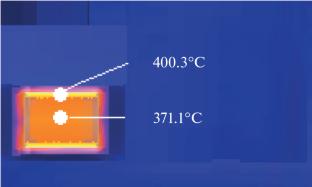
Using a high-speed thermal imaging camera, the temperature field on the surface of a 3 × 3 mm square sample of cryorolled high-strength aluminum alloy was recorded and analyzed during high-dense electropulsed processing. Uneven heating of the surface was observed, manifested by elevated temperatures in areas adjacent to the fins. The results of a comparative analysis of the alloy microstructure changes by SEM-EBSD method and the microhardness distributions along the specimen cross-section, induced by a current pulsing, are discussed. It was found that in zones of increased heating adjacent to the specimen’s surfaces, static processes of recovery and recrystallization of the highly work-hardened structure were more intense and accompanied by greater softening. It is concluded that this phenomenon is caused by the skin-effect inherent to electropulse treatment. Good agreement is demonstrated between the depth of the softened layer and the calculated current penetration depth into the conductor.
期刊介绍:
Russian Journal of Non-Ferrous Metals is a journal the main goal of which is to achieve new knowledge in the following topics: extraction metallurgy, hydro- and pirometallurgy, casting, plastic deformation, metallography and heat treatment, powder metallurgy and composites, self-propagating high-temperature synthesis, surface engineering and advanced protected coatings, environments, and energy capacity in non-ferrous metallurgy.

 求助内容:
求助内容: 应助结果提醒方式:

 京公网安备 11010802042870号


