{"title":"呼吁将关节置换术纳入基本手术。","authors":"Peter G Delaney, Nicolas S Piuzzi","doi":"10.2471/BLT.25.294300","DOIUrl":null,"url":null,"abstract":"<p><p>In 2015, the World Health Assembly and the <i>Lancet</i> Commission on Global Surgery affirmed the need for equitable access to essential surgical care. Additionally, the World Bank's Disease Control Priorities project identified 44 essential surgical procedures for health-care systems in low- and middle-income countries. These procedures address the global burden of disease, are cost-effective and are feasible to implement in resource-constrained settings. Notably, arthroplasty, specifically, hip and knee replacements, was excluded. A decade later, this omission warrants reconsideration. With improved control of communicable diseases, musculoskeletal conditions are now the second leading cause of years lived with disability globally, disproportionately affecting populations of low- and middle-income countries. Arthroplasty meets all the criteria for an essential surgical procedure: it is cost-effective, yields predictable and durable outcomes, and follows standardized clinical pathways suited for large-scale implementation. The cost of arthroplasty per disability-adjusted life year averted is often lower than treatments for chronic medical conditions and communicable diseases. Rates of dislocation and periprosthetic joint infection for arthroplasty in sub-Saharan Africa were comparable to rates in high-income settings, suggesting feasibility when appropriate systems are in place. As life expectancy and the noncommunicable disease burden increase, functional mobility interventions and pain relief will become a public health priority. Integrating arthroplasty into national surgical plans is essential to build resilient surgical systems that respond to evolving demographic and epidemiological trends. We call for the formal recognition of arthroplasty as an essential surgical procedure and for investment in workforce training, supply-chain infrastructure and funding models to meet unmet global surgical needs.</p>","PeriodicalId":9465,"journal":{"name":"Bulletin of the World Health Organization","volume":"104 4","pages":"274-281"},"PeriodicalIF":5.7000,"publicationDate":"2026-04-01","publicationTypes":"Journal Article","fieldsOfStudy":null,"isOpenAccess":false,"openAccessPdf":"https://www.ncbi.nlm.nih.gov/pmc/articles/PMC13037251/pdf/","citationCount":"0","resultStr":"{\"title\":\"A call for inclusion of arthroplasty as essential surgery.\",\"authors\":\"Peter G Delaney, Nicolas S Piuzzi\",\"doi\":\"10.2471/BLT.25.294300\",\"DOIUrl\":null,\"url\":null,\"abstract\":\"<p><p>In 2015, the World Health Assembly and the <i>Lancet</i> Commission on Global Surgery affirmed the need for equitable access to essential surgical care. Additionally, the World Bank's Disease Control Priorities project identified 44 essential surgical procedures for health-care systems in low- and middle-income countries. These procedures address the global burden of disease, are cost-effective and are feasible to implement in resource-constrained settings. Notably, arthroplasty, specifically, hip and knee replacements, was excluded. A decade later, this omission warrants reconsideration. With improved control of communicable diseases, musculoskeletal conditions are now the second leading cause of years lived with disability globally, disproportionately affecting populations of low- and middle-income countries. Arthroplasty meets all the criteria for an essential surgical procedure: it is cost-effective, yields predictable and durable outcomes, and follows standardized clinical pathways suited for large-scale implementation. The cost of arthroplasty per disability-adjusted life year averted is often lower than treatments for chronic medical conditions and communicable diseases. Rates of dislocation and periprosthetic joint infection for arthroplasty in sub-Saharan Africa were comparable to rates in high-income settings, suggesting feasibility when appropriate systems are in place. As life expectancy and the noncommunicable disease burden increase, functional mobility interventions and pain relief will become a public health priority. Integrating arthroplasty into national surgical plans is essential to build resilient surgical systems that respond to evolving demographic and epidemiological trends. We call for the formal recognition of arthroplasty as an essential surgical procedure and for investment in workforce training, supply-chain infrastructure and funding models to meet unmet global surgical needs.</p>\",\"PeriodicalId\":9465,\"journal\":{\"name\":\"Bulletin of the World Health Organization\",\"volume\":\"104 4\",\"pages\":\"274-281\"},\"PeriodicalIF\":5.7000,\"publicationDate\":\"2026-04-01\",\"publicationTypes\":\"Journal Article\",\"fieldsOfStudy\":null,\"isOpenAccess\":false,\"openAccessPdf\":\"https://www.ncbi.nlm.nih.gov/pmc/articles/PMC13037251/pdf/\",\"citationCount\":\"0\",\"resultStr\":null,\"platform\":\"Semanticscholar\",\"paperid\":null,\"PeriodicalName\":\"Bulletin of the World Health Organization\",\"FirstCategoryId\":\"3\",\"ListUrlMain\":\"https://doi.org/10.2471/BLT.25.294300\",\"RegionNum\":2,\"RegionCategory\":\"医学\",\"ArticlePicture\":[],\"TitleCN\":null,\"AbstractTextCN\":null,\"PMCID\":null,\"EPubDate\":\"2026/2/3 0:00:00\",\"PubModel\":\"Epub\",\"JCR\":\"Q1\",\"JCRName\":\"PUBLIC, ENVIRONMENTAL & OCCUPATIONAL HEALTH\",\"Score\":null,\"Total\":0}","platform":"Semanticscholar","paperid":null,"PeriodicalName":"Bulletin of the World Health Organization","FirstCategoryId":"3","ListUrlMain":"https://doi.org/10.2471/BLT.25.294300","RegionNum":2,"RegionCategory":"医学","ArticlePicture":[],"TitleCN":null,"AbstractTextCN":null,"PMCID":null,"EPubDate":"2026/2/3 0:00:00","PubModel":"Epub","JCR":"Q1","JCRName":"PUBLIC, ENVIRONMENTAL & OCCUPATIONAL HEALTH","Score":null,"Total":0}
A call for inclusion of arthroplasty as essential surgery.
In 2015, the World Health Assembly and the Lancet Commission on Global Surgery affirmed the need for equitable access to essential surgical care. Additionally, the World Bank's Disease Control Priorities project identified 44 essential surgical procedures for health-care systems in low- and middle-income countries. These procedures address the global burden of disease, are cost-effective and are feasible to implement in resource-constrained settings. Notably, arthroplasty, specifically, hip and knee replacements, was excluded. A decade later, this omission warrants reconsideration. With improved control of communicable diseases, musculoskeletal conditions are now the second leading cause of years lived with disability globally, disproportionately affecting populations of low- and middle-income countries. Arthroplasty meets all the criteria for an essential surgical procedure: it is cost-effective, yields predictable and durable outcomes, and follows standardized clinical pathways suited for large-scale implementation. The cost of arthroplasty per disability-adjusted life year averted is often lower than treatments for chronic medical conditions and communicable diseases. Rates of dislocation and periprosthetic joint infection for arthroplasty in sub-Saharan Africa were comparable to rates in high-income settings, suggesting feasibility when appropriate systems are in place. As life expectancy and the noncommunicable disease burden increase, functional mobility interventions and pain relief will become a public health priority. Integrating arthroplasty into national surgical plans is essential to build resilient surgical systems that respond to evolving demographic and epidemiological trends. We call for the formal recognition of arthroplasty as an essential surgical procedure and for investment in workforce training, supply-chain infrastructure and funding models to meet unmet global surgical needs.
期刊介绍:
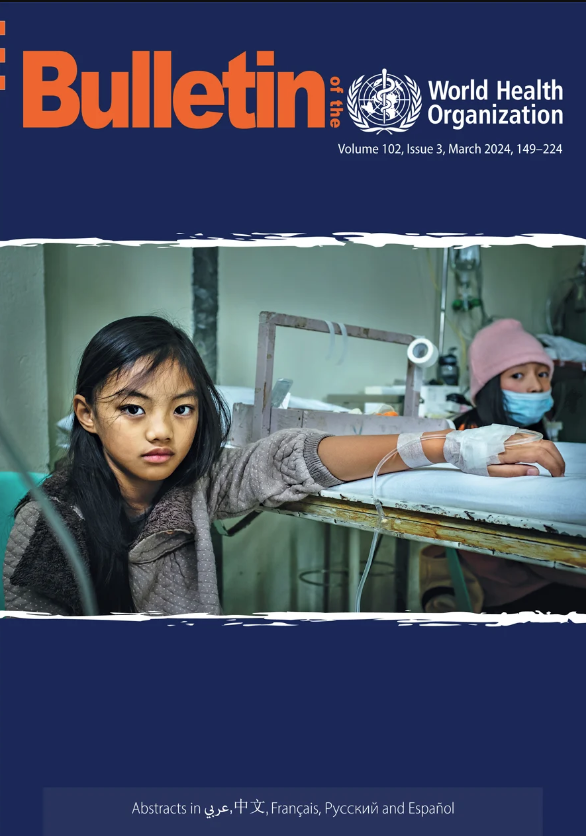
The Bulletin of the World Health Organization
Journal Overview:
Leading public health journal
Peer-reviewed monthly journal
Special focus on developing countries
Global scope and authority
Top public and environmental health journal
Impact factor of 6.818 (2018), according to Web of Science ranking
Audience:
Essential reading for public health decision-makers and researchers
Provides blend of research, well-informed opinion, and news

 求助内容:
求助内容: 应助结果提醒方式:

 京公网安备 11010802042870号


