Joseph Mouawad, Joeffroy Otayek, Youssef Jamaleddine, Theodore Kaypekian, Mohamad Omar Youssef Honeine, Alfred Khoury
{"title":"髌骨不稳:综合治疗算法的叙述回顾。","authors":"Joseph Mouawad, Joeffroy Otayek, Youssef Jamaleddine, Theodore Kaypekian, Mohamad Omar Youssef Honeine, Alfred Khoury","doi":"10.2147/ORR.S583399","DOIUrl":null,"url":null,"abstract":"<p><strong>Background: </strong>Patellar instability is a multifactorial condition characterized by episodic dislocation or subluxation of the patella, often affecting young and athletic populations. Patients present with patellar apprehension, swelling, and fear of having another episode. It results from a complex interplay between anatomical abnormalities, soft tissue dysfunction, and biomechanical imbalances.</p><p><strong>Objective: </strong>This narrative review aims to provide a structured, up-to-date synthesis of the current understanding of patellar instability, from pathoanatomy and diagnostic evaluation to non-operative and operative management strategies, including specific considerations in skeletally immature patients.</p><p><strong>Methods: </strong>A comprehensive literature review was conducted across major orthopedic databases and reference texts, focusing on key anatomical risk factors, diagnostic modalities, classification systems, and evidence-based treatment algorithms. Emphasis was placed on integrating recent findings with classical concepts such as Dejour's classification and the role of medial patellofemoral ligament reconstruction.</p><p><strong>Results: </strong>The management of patellar instability requires accurate identification of contributing factors such as trochlear dysplasia, elevated TT-TG distance, patella alta, and patellar tilt. First-time dislocators without predisposing factors may benefit from conservative management, while recurrent or anatomically predisposed cases often require individualized surgical correction. Procedures such as MPFL reconstruction, tibial tubercle osteotomy, and trochleoplasty have shown favorable outcomes when tailored to the patient's anatomy. In skeletally immature individuals, physeal-sparing techniques and guided growth are preferred to avoid iatrogenic growth disturbances.</p><p><strong>Conclusion: </strong>A patient-specific, \"à la carte\" surgical approach grounded in detailed radiographic and clinical assessment yields the best outcomes in patellar instability. Integration of anatomical, biomechanical, and developmental considerations is essential for optimal treatment selection and long-term patellofemoral joint preservation.</p>","PeriodicalId":19608,"journal":{"name":"Orthopedic Research and Reviews","volume":"18 ","pages":"583399"},"PeriodicalIF":2.3000,"publicationDate":"2026-03-12","publicationTypes":"Journal Article","fieldsOfStudy":null,"isOpenAccess":false,"openAccessPdf":"https://www.ncbi.nlm.nih.gov/pmc/articles/PMC12991310/pdf/","citationCount":"0","resultStr":"{\"title\":\"Patellar Instability: A Narrative Review with an Integrated Treatment Algorithm.\",\"authors\":\"Joseph Mouawad, Joeffroy Otayek, Youssef Jamaleddine, Theodore Kaypekian, Mohamad Omar Youssef Honeine, Alfred Khoury\",\"doi\":\"10.2147/ORR.S583399\",\"DOIUrl\":null,\"url\":null,\"abstract\":\"<p><strong>Background: </strong>Patellar instability is a multifactorial condition characterized by episodic dislocation or subluxation of the patella, often affecting young and athletic populations. Patients present with patellar apprehension, swelling, and fear of having another episode. It results from a complex interplay between anatomical abnormalities, soft tissue dysfunction, and biomechanical imbalances.</p><p><strong>Objective: </strong>This narrative review aims to provide a structured, up-to-date synthesis of the current understanding of patellar instability, from pathoanatomy and diagnostic evaluation to non-operative and operative management strategies, including specific considerations in skeletally immature patients.</p><p><strong>Methods: </strong>A comprehensive literature review was conducted across major orthopedic databases and reference texts, focusing on key anatomical risk factors, diagnostic modalities, classification systems, and evidence-based treatment algorithms. Emphasis was placed on integrating recent findings with classical concepts such as Dejour's classification and the role of medial patellofemoral ligament reconstruction.</p><p><strong>Results: </strong>The management of patellar instability requires accurate identification of contributing factors such as trochlear dysplasia, elevated TT-TG distance, patella alta, and patellar tilt. First-time dislocators without predisposing factors may benefit from conservative management, while recurrent or anatomically predisposed cases often require individualized surgical correction. Procedures such as MPFL reconstruction, tibial tubercle osteotomy, and trochleoplasty have shown favorable outcomes when tailored to the patient's anatomy. In skeletally immature individuals, physeal-sparing techniques and guided growth are preferred to avoid iatrogenic growth disturbances.</p><p><strong>Conclusion: </strong>A patient-specific, \\\"à la carte\\\" surgical approach grounded in detailed radiographic and clinical assessment yields the best outcomes in patellar instability. Integration of anatomical, biomechanical, and developmental considerations is essential for optimal treatment selection and long-term patellofemoral joint preservation.</p>\",\"PeriodicalId\":19608,\"journal\":{\"name\":\"Orthopedic Research and Reviews\",\"volume\":\"18 \",\"pages\":\"583399\"},\"PeriodicalIF\":2.3000,\"publicationDate\":\"2026-03-12\",\"publicationTypes\":\"Journal Article\",\"fieldsOfStudy\":null,\"isOpenAccess\":false,\"openAccessPdf\":\"https://www.ncbi.nlm.nih.gov/pmc/articles/PMC12991310/pdf/\",\"citationCount\":\"0\",\"resultStr\":null,\"platform\":\"Semanticscholar\",\"paperid\":null,\"PeriodicalName\":\"Orthopedic Research and Reviews\",\"FirstCategoryId\":\"1085\",\"ListUrlMain\":\"https://doi.org/10.2147/ORR.S583399\",\"RegionNum\":0,\"RegionCategory\":null,\"ArticlePicture\":[],\"TitleCN\":null,\"AbstractTextCN\":null,\"PMCID\":null,\"EPubDate\":\"2026/1/1 0:00:00\",\"PubModel\":\"eCollection\",\"JCR\":\"Q2\",\"JCRName\":\"ORTHOPEDICS\",\"Score\":null,\"Total\":0}","platform":"Semanticscholar","paperid":null,"PeriodicalName":"Orthopedic Research and Reviews","FirstCategoryId":"1085","ListUrlMain":"https://doi.org/10.2147/ORR.S583399","RegionNum":0,"RegionCategory":null,"ArticlePicture":[],"TitleCN":null,"AbstractTextCN":null,"PMCID":null,"EPubDate":"2026/1/1 0:00:00","PubModel":"eCollection","JCR":"Q2","JCRName":"ORTHOPEDICS","Score":null,"Total":0}
Patellar Instability: A Narrative Review with an Integrated Treatment Algorithm.
Background: Patellar instability is a multifactorial condition characterized by episodic dislocation or subluxation of the patella, often affecting young and athletic populations. Patients present with patellar apprehension, swelling, and fear of having another episode. It results from a complex interplay between anatomical abnormalities, soft tissue dysfunction, and biomechanical imbalances.
Objective: This narrative review aims to provide a structured, up-to-date synthesis of the current understanding of patellar instability, from pathoanatomy and diagnostic evaluation to non-operative and operative management strategies, including specific considerations in skeletally immature patients.
Methods: A comprehensive literature review was conducted across major orthopedic databases and reference texts, focusing on key anatomical risk factors, diagnostic modalities, classification systems, and evidence-based treatment algorithms. Emphasis was placed on integrating recent findings with classical concepts such as Dejour's classification and the role of medial patellofemoral ligament reconstruction.
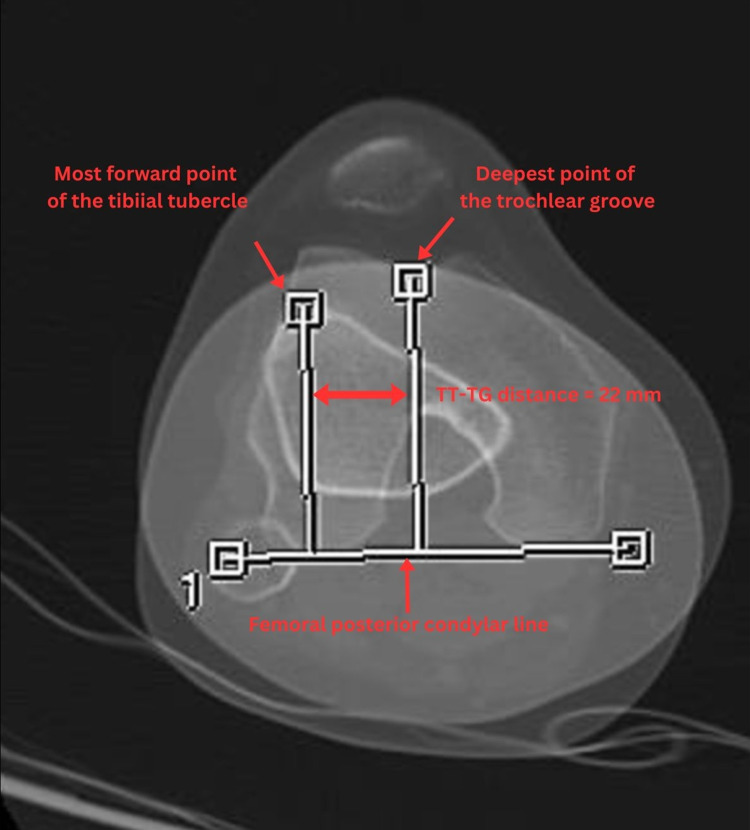
Results: The management of patellar instability requires accurate identification of contributing factors such as trochlear dysplasia, elevated TT-TG distance, patella alta, and patellar tilt. First-time dislocators without predisposing factors may benefit from conservative management, while recurrent or anatomically predisposed cases often require individualized surgical correction. Procedures such as MPFL reconstruction, tibial tubercle osteotomy, and trochleoplasty have shown favorable outcomes when tailored to the patient's anatomy. In skeletally immature individuals, physeal-sparing techniques and guided growth are preferred to avoid iatrogenic growth disturbances.
Conclusion: A patient-specific, "à la carte" surgical approach grounded in detailed radiographic and clinical assessment yields the best outcomes in patellar instability. Integration of anatomical, biomechanical, and developmental considerations is essential for optimal treatment selection and long-term patellofemoral joint preservation.
期刊介绍:
Orthopedic Research and Reviews is an international, peer-reviewed, open-access journal focusing on the patho-physiology of the musculoskeletal system, trauma, surgery and other corrective interventions to restore mobility and function. Advances in new technologies, materials, techniques and pharmacological agents will be particularly welcome. Specific topics covered in the journal include: Patho-physiology and bioengineering, Technologies and materials science, Surgical techniques, including robotics, Trauma management and care, Treatment including pharmacological and non-pharmacological, Rehabilitation and Multidisciplinarian care approaches, Patient quality of life, satisfaction and preference, Health economic evaluations. The journal welcomes submitted papers covering original research, basic science and technology, clinical studies, reviews and evaluations, guidelines, expert opinion and commentary, case reports and extended reports.



 求助内容:
求助内容: 应助结果提醒方式:

 京公网安备 11010802042870号


