Rui Wang , Xingqiao Deng , Bo Hu , Mule Vijayalakshmi , Hui Tang , Liang He , Xuemeng Liu , Ch. Venkata Reddy , Kakarla Raghava Reddy , Jaesool Shim , Tejraj M. Aminabhavi
{"title":"过渡金属硫化物的研究进展:电催化和能量转换应用的合成、性质和改性策略","authors":"Rui Wang , Xingqiao Deng , Bo Hu , Mule Vijayalakshmi , Hui Tang , Liang He , Xuemeng Liu , Ch. Venkata Reddy , Kakarla Raghava Reddy , Jaesool Shim , Tejraj M. Aminabhavi","doi":"10.1016/j.ccr.2026.217797","DOIUrl":null,"url":null,"abstract":"<div><div>Transition metal sulfides (TMSs) are compounds composed of sulfur anions and one or more transition metal cations. They are characterized by having multiple crystal phases and electronic structures, including metallic, semiconducting, and insulating states. These tunable and controllable polycrystalline phases and electronic structures endow TMSs with unique physical and electrochemical properties, making them highly promising for energy-sector applications. Even though significant progress has been made in this field, most studies remain confined to idealized systems with only half-reactions, lacking a systematic understanding of the relationship between the intrinsic properties of materials and catalytic mechanisms, and ignoring the essential differences between half-reactions and complete reaction systems. To fully exploit the potential advantages of TMSs, it is necessary to clarify their mechanism of action in different catalytic processes systematically to establish a clear correlation between structural characteristics, intrinsic properties, and catalytic activity to gradually shift from qualitative studies focusing on single half-reactions to full-reaction application research in order to promote their practical development at the industrial and commercial scales. This review systematically summarizes recent advances in TMS-based electrocatalysts, covering preparation methods, structural features, and modification strategies, to establish a framework for rational structural design. Then elucidates the key electrocatalytic mechanisms that correlate catalytic performance with structural characteristics, thereby guiding the development of efficient catalysts. Finally, the review critically evaluates the application of TMS-based electrocatalysts in energy conversion devices beyond isolated half-reaction studies, identifies current challenges in practical implementation and commercialization, and outlines potential directions for future development.</div></div>","PeriodicalId":289,"journal":{"name":"Coordination Chemistry Reviews","volume":"559 ","pages":"Article 217797"},"PeriodicalIF":23.5000,"publicationDate":"2026-07-15","publicationTypes":"Journal Article","fieldsOfStudy":null,"isOpenAccess":false,"openAccessPdf":"","citationCount":"0","resultStr":"{\"title\":\"Advances in transition metal sulfides: Synthesis, properties, and modification strategies for electrocatalysis and energy conversion applications\",\"authors\":\"Rui Wang , Xingqiao Deng , Bo Hu , Mule Vijayalakshmi , Hui Tang , Liang He , Xuemeng Liu , Ch. Venkata Reddy , Kakarla Raghava Reddy , Jaesool Shim , Tejraj M. Aminabhavi\",\"doi\":\"10.1016/j.ccr.2026.217797\",\"DOIUrl\":null,\"url\":null,\"abstract\":\"<div><div>Transition metal sulfides (TMSs) are compounds composed of sulfur anions and one or more transition metal cations. They are characterized by having multiple crystal phases and electronic structures, including metallic, semiconducting, and insulating states. These tunable and controllable polycrystalline phases and electronic structures endow TMSs with unique physical and electrochemical properties, making them highly promising for energy-sector applications. Even though significant progress has been made in this field, most studies remain confined to idealized systems with only half-reactions, lacking a systematic understanding of the relationship between the intrinsic properties of materials and catalytic mechanisms, and ignoring the essential differences between half-reactions and complete reaction systems. To fully exploit the potential advantages of TMSs, it is necessary to clarify their mechanism of action in different catalytic processes systematically to establish a clear correlation between structural characteristics, intrinsic properties, and catalytic activity to gradually shift from qualitative studies focusing on single half-reactions to full-reaction application research in order to promote their practical development at the industrial and commercial scales. This review systematically summarizes recent advances in TMS-based electrocatalysts, covering preparation methods, structural features, and modification strategies, to establish a framework for rational structural design. Then elucidates the key electrocatalytic mechanisms that correlate catalytic performance with structural characteristics, thereby guiding the development of efficient catalysts. Finally, the review critically evaluates the application of TMS-based electrocatalysts in energy conversion devices beyond isolated half-reaction studies, identifies current challenges in practical implementation and commercialization, and outlines potential directions for future development.</div></div>\",\"PeriodicalId\":289,\"journal\":{\"name\":\"Coordination Chemistry Reviews\",\"volume\":\"559 \",\"pages\":\"Article 217797\"},\"PeriodicalIF\":23.5000,\"publicationDate\":\"2026-07-15\",\"publicationTypes\":\"Journal Article\",\"fieldsOfStudy\":null,\"isOpenAccess\":false,\"openAccessPdf\":\"\",\"citationCount\":\"0\",\"resultStr\":null,\"platform\":\"Semanticscholar\",\"paperid\":null,\"PeriodicalName\":\"Coordination Chemistry Reviews\",\"FirstCategoryId\":\"92\",\"ListUrlMain\":\"https://www.sciencedirect.com/science/article/pii/S001085452600233X\",\"RegionNum\":1,\"RegionCategory\":\"化学\",\"ArticlePicture\":[],\"TitleCN\":null,\"AbstractTextCN\":null,\"PMCID\":null,\"EPubDate\":\"2026/3/11 0:00:00\",\"PubModel\":\"Epub\",\"JCR\":\"Q1\",\"JCRName\":\"CHEMISTRY, INORGANIC & NUCLEAR\",\"Score\":null,\"Total\":0}","platform":"Semanticscholar","paperid":null,"PeriodicalName":"Coordination Chemistry Reviews","FirstCategoryId":"92","ListUrlMain":"https://www.sciencedirect.com/science/article/pii/S001085452600233X","RegionNum":1,"RegionCategory":"化学","ArticlePicture":[],"TitleCN":null,"AbstractTextCN":null,"PMCID":null,"EPubDate":"2026/3/11 0:00:00","PubModel":"Epub","JCR":"Q1","JCRName":"CHEMISTRY, INORGANIC & NUCLEAR","Score":null,"Total":0}
Advances in transition metal sulfides: Synthesis, properties, and modification strategies for electrocatalysis and energy conversion applications
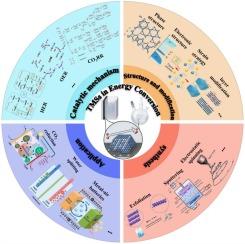
Transition metal sulfides (TMSs) are compounds composed of sulfur anions and one or more transition metal cations. They are characterized by having multiple crystal phases and electronic structures, including metallic, semiconducting, and insulating states. These tunable and controllable polycrystalline phases and electronic structures endow TMSs with unique physical and electrochemical properties, making them highly promising for energy-sector applications. Even though significant progress has been made in this field, most studies remain confined to idealized systems with only half-reactions, lacking a systematic understanding of the relationship between the intrinsic properties of materials and catalytic mechanisms, and ignoring the essential differences between half-reactions and complete reaction systems. To fully exploit the potential advantages of TMSs, it is necessary to clarify their mechanism of action in different catalytic processes systematically to establish a clear correlation between structural characteristics, intrinsic properties, and catalytic activity to gradually shift from qualitative studies focusing on single half-reactions to full-reaction application research in order to promote their practical development at the industrial and commercial scales. This review systematically summarizes recent advances in TMS-based electrocatalysts, covering preparation methods, structural features, and modification strategies, to establish a framework for rational structural design. Then elucidates the key electrocatalytic mechanisms that correlate catalytic performance with structural characteristics, thereby guiding the development of efficient catalysts. Finally, the review critically evaluates the application of TMS-based electrocatalysts in energy conversion devices beyond isolated half-reaction studies, identifies current challenges in practical implementation and commercialization, and outlines potential directions for future development.
期刊介绍:
Coordination Chemistry Reviews offers rapid publication of review articles on current and significant topics in coordination chemistry, encompassing organometallic, supramolecular, theoretical, and bioinorganic chemistry. It also covers catalysis, materials chemistry, and metal-organic frameworks from a coordination chemistry perspective. Reviews summarize recent developments or discuss specific techniques, welcoming contributions from both established and emerging researchers.
The journal releases special issues on timely subjects, including those featuring contributions from specific regions or conferences. Occasional full-length book articles are also featured. Additionally, special volumes cover annual reviews of main group chemistry, transition metal group chemistry, and organometallic chemistry. These comprehensive reviews are vital resources for those engaged in coordination chemistry, further establishing Coordination Chemistry Reviews as a hub for insightful surveys in inorganic and physical inorganic chemistry.