Jonathan Gervais-Hupé, Arthur Filleul, Kadija Perreault, Isabelle Gaboury, Timothy H Wideman, Céline Charbonneau, Fatiha Loukili, Anne Hudon
{"title":"“你知道,我们都是人”:一项关于慢性疼痛患者对物理治疗服务感知需求的定性研究。","authors":"Jonathan Gervais-Hupé, Arthur Filleul, Kadija Perreault, Isabelle Gaboury, Timothy H Wideman, Céline Charbonneau, Fatiha Loukili, Anne Hudon","doi":"10.1080/24740527.2026.2615474","DOIUrl":null,"url":null,"abstract":"<p><strong>Background: </strong>Chronic pain has many deleterious effects on the lives of those living with it. Though understanding the needs of people living with chronic pain is crucial to providing patient-centered care, current knowledge remains limited regarding the needs of this population in relation to the physiotherapy services they regularly use.</p><p><strong>Aims: </strong>This study aimed to understand the perceived needs of people living with chronic pain regarding physiotherapy services in Quebec, Canada.</p><p><strong>Methods: </strong>This qualitative study followed an interpretative description methodology. Semistructured individual interviews were conducted with adults living with chronic pain who had used physiotherapy services in any type of setting. Transcripts were analyzed using reflexive thematic analysis following an inductive approach with the constant comparative method.</p><p><strong>Results: </strong>Among the 27 participants, the majority were White women living in urban areas who were highly educated. They mainly used physiotherapy services in private clinics for musculoskeletal chronic pain. Four overarching themes related to patients' perceived physiotherapyrelated needs were identified: (1) being respected in an empathetic human-to-human relationship; (2) obtaining the care you need; (3) desiring a warm, welcoming, and tailored environment; and (4) feeling the organization practices and policies are adapted to persons living with chronic pain.</p><p><strong>Conclusion: </strong>Our findings show that the needs of people living with chronic pain are multiple, deeply interconnected, and shaped by organizational and systemic contexts. Improving the responsiveness of physiotherapy services therefore requires moving beyond individual-level strategies to address these broader forces. A comprehensive, systemwide approach is essential to meaningfully meet patients' needs.</p>","PeriodicalId":53214,"journal":{"name":"Canadian Journal of Pain-Revue Canadienne de la Douleur","volume":"10 1","pages":"2615474"},"PeriodicalIF":2.1000,"publicationDate":"2026-03-04","publicationTypes":"Journal Article","fieldsOfStudy":null,"isOpenAccess":false,"openAccessPdf":"https://www.ncbi.nlm.nih.gov/pmc/articles/PMC12962706/pdf/","citationCount":"0","resultStr":"{\"title\":\"\\\"You know, we're all human beings\\\": A qualitative study on the perceived needs of people experiencing chronic pain with regard to physiotherapy services.\",\"authors\":\"Jonathan Gervais-Hupé, Arthur Filleul, Kadija Perreault, Isabelle Gaboury, Timothy H Wideman, Céline Charbonneau, Fatiha Loukili, Anne Hudon\",\"doi\":\"10.1080/24740527.2026.2615474\",\"DOIUrl\":null,\"url\":null,\"abstract\":\"<p><strong>Background: </strong>Chronic pain has many deleterious effects on the lives of those living with it. Though understanding the needs of people living with chronic pain is crucial to providing patient-centered care, current knowledge remains limited regarding the needs of this population in relation to the physiotherapy services they regularly use.</p><p><strong>Aims: </strong>This study aimed to understand the perceived needs of people living with chronic pain regarding physiotherapy services in Quebec, Canada.</p><p><strong>Methods: </strong>This qualitative study followed an interpretative description methodology. Semistructured individual interviews were conducted with adults living with chronic pain who had used physiotherapy services in any type of setting. Transcripts were analyzed using reflexive thematic analysis following an inductive approach with the constant comparative method.</p><p><strong>Results: </strong>Among the 27 participants, the majority were White women living in urban areas who were highly educated. They mainly used physiotherapy services in private clinics for musculoskeletal chronic pain. Four overarching themes related to patients' perceived physiotherapyrelated needs were identified: (1) being respected in an empathetic human-to-human relationship; (2) obtaining the care you need; (3) desiring a warm, welcoming, and tailored environment; and (4) feeling the organization practices and policies are adapted to persons living with chronic pain.</p><p><strong>Conclusion: </strong>Our findings show that the needs of people living with chronic pain are multiple, deeply interconnected, and shaped by organizational and systemic contexts. Improving the responsiveness of physiotherapy services therefore requires moving beyond individual-level strategies to address these broader forces. A comprehensive, systemwide approach is essential to meaningfully meet patients' needs.</p>\",\"PeriodicalId\":53214,\"journal\":{\"name\":\"Canadian Journal of Pain-Revue Canadienne de la Douleur\",\"volume\":\"10 1\",\"pages\":\"2615474\"},\"PeriodicalIF\":2.1000,\"publicationDate\":\"2026-03-04\",\"publicationTypes\":\"Journal Article\",\"fieldsOfStudy\":null,\"isOpenAccess\":false,\"openAccessPdf\":\"https://www.ncbi.nlm.nih.gov/pmc/articles/PMC12962706/pdf/\",\"citationCount\":\"0\",\"resultStr\":null,\"platform\":\"Semanticscholar\",\"paperid\":null,\"PeriodicalName\":\"Canadian Journal of Pain-Revue Canadienne de la Douleur\",\"FirstCategoryId\":\"1085\",\"ListUrlMain\":\"https://doi.org/10.1080/24740527.2026.2615474\",\"RegionNum\":0,\"RegionCategory\":null,\"ArticlePicture\":[],\"TitleCN\":null,\"AbstractTextCN\":null,\"PMCID\":null,\"EPubDate\":\"2026/1/1 0:00:00\",\"PubModel\":\"eCollection\",\"JCR\":\"Q3\",\"JCRName\":\"CLINICAL NEUROLOGY\",\"Score\":null,\"Total\":0}","platform":"Semanticscholar","paperid":null,"PeriodicalName":"Canadian Journal of Pain-Revue Canadienne de la Douleur","FirstCategoryId":"1085","ListUrlMain":"https://doi.org/10.1080/24740527.2026.2615474","RegionNum":0,"RegionCategory":null,"ArticlePicture":[],"TitleCN":null,"AbstractTextCN":null,"PMCID":null,"EPubDate":"2026/1/1 0:00:00","PubModel":"eCollection","JCR":"Q3","JCRName":"CLINICAL NEUROLOGY","Score":null,"Total":0}
"You know, we're all human beings": A qualitative study on the perceived needs of people experiencing chronic pain with regard to physiotherapy services.
Background: Chronic pain has many deleterious effects on the lives of those living with it. Though understanding the needs of people living with chronic pain is crucial to providing patient-centered care, current knowledge remains limited regarding the needs of this population in relation to the physiotherapy services they regularly use.
Aims: This study aimed to understand the perceived needs of people living with chronic pain regarding physiotherapy services in Quebec, Canada.
Methods: This qualitative study followed an interpretative description methodology. Semistructured individual interviews were conducted with adults living with chronic pain who had used physiotherapy services in any type of setting. Transcripts were analyzed using reflexive thematic analysis following an inductive approach with the constant comparative method.
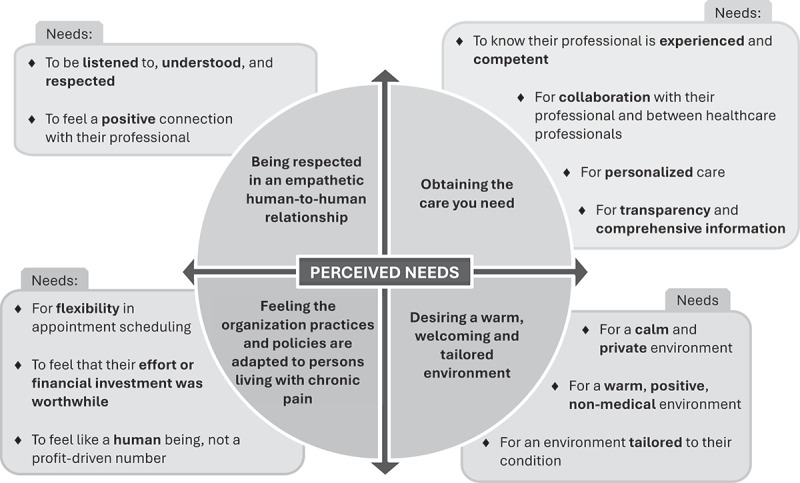
Results: Among the 27 participants, the majority were White women living in urban areas who were highly educated. They mainly used physiotherapy services in private clinics for musculoskeletal chronic pain. Four overarching themes related to patients' perceived physiotherapyrelated needs were identified: (1) being respected in an empathetic human-to-human relationship; (2) obtaining the care you need; (3) desiring a warm, welcoming, and tailored environment; and (4) feeling the organization practices and policies are adapted to persons living with chronic pain.
Conclusion: Our findings show that the needs of people living with chronic pain are multiple, deeply interconnected, and shaped by organizational and systemic contexts. Improving the responsiveness of physiotherapy services therefore requires moving beyond individual-level strategies to address these broader forces. A comprehensive, systemwide approach is essential to meaningfully meet patients' needs.



 求助内容:
求助内容: 应助结果提醒方式:

 京公网安备 11010802042870号


