{"title":"公众对部署含水层热能储存的态度和偏好的异质性","authors":"Ting Liu, Richard Hanna, Yiannis Kountouris","doi":"10.1038/s41560-026-01977-z","DOIUrl":null,"url":null,"abstract":"Aquifer thermal energy storage (ATES) can contribute to heating and cooling decarbonization by utilizing the thermal capacity of natural aquifers. Securing acceptance and support for deploying ATES at scale requires acknowledging public perceptions and designing systems compatible with public preferences. Here we characterize attitudinal stances and preferences for the deployment of ATES in public buildings in the UK. Using data from a social survey and a discrete choice experiment, we find substantial heterogeneity in public attitudes and support for ATES installations. Latent class analysis identifies four distinct stances, ranging from cautiously negative to enthusiastically supportive. Estimating mixed multinomial and hybrid choice models, we find strong preferences for quicker deployment of ATES infrastructure, with greater CO2 emissions-reduction capacity, that can be accessed by private households. Results point to the need for tailored communication strategies and preference-compatible design for achieving socially desirable sustainable energy transitions. Survey and discrete choice experiment data reveal substantial heterogeneity in the UK public’s stance towards aquifer thermal energy storage deployment and in preferences for deployment characteristics that vary with latent attitudes.","PeriodicalId":19073,"journal":{"name":"Nature Energy","volume":"11 3","pages":"479-489"},"PeriodicalIF":60.1000,"publicationDate":"2026-03-06","publicationTypes":"Journal Article","fieldsOfStudy":null,"isOpenAccess":false,"openAccessPdf":"https://www.nature.comhttps://www.nature.com/articles/s41560-026-01977-z.pdf","citationCount":"0","resultStr":"{\"title\":\"Heterogeneity in public attitudes and preferences for the deployment of aquifer thermal energy storage\",\"authors\":\"Ting Liu, Richard Hanna, Yiannis Kountouris\",\"doi\":\"10.1038/s41560-026-01977-z\",\"DOIUrl\":null,\"url\":null,\"abstract\":\"Aquifer thermal energy storage (ATES) can contribute to heating and cooling decarbonization by utilizing the thermal capacity of natural aquifers. Securing acceptance and support for deploying ATES at scale requires acknowledging public perceptions and designing systems compatible with public preferences. Here we characterize attitudinal stances and preferences for the deployment of ATES in public buildings in the UK. Using data from a social survey and a discrete choice experiment, we find substantial heterogeneity in public attitudes and support for ATES installations. Latent class analysis identifies four distinct stances, ranging from cautiously negative to enthusiastically supportive. Estimating mixed multinomial and hybrid choice models, we find strong preferences for quicker deployment of ATES infrastructure, with greater CO2 emissions-reduction capacity, that can be accessed by private households. Results point to the need for tailored communication strategies and preference-compatible design for achieving socially desirable sustainable energy transitions. Survey and discrete choice experiment data reveal substantial heterogeneity in the UK public’s stance towards aquifer thermal energy storage deployment and in preferences for deployment characteristics that vary with latent attitudes.\",\"PeriodicalId\":19073,\"journal\":{\"name\":\"Nature Energy\",\"volume\":\"11 3\",\"pages\":\"479-489\"},\"PeriodicalIF\":60.1000,\"publicationDate\":\"2026-03-06\",\"publicationTypes\":\"Journal Article\",\"fieldsOfStudy\":null,\"isOpenAccess\":false,\"openAccessPdf\":\"https://www.nature.comhttps://www.nature.com/articles/s41560-026-01977-z.pdf\",\"citationCount\":\"0\",\"resultStr\":null,\"platform\":\"Semanticscholar\",\"paperid\":null,\"PeriodicalName\":\"Nature Energy\",\"FirstCategoryId\":\"88\",\"ListUrlMain\":\"https://www.nature.com/articles/s41560-026-01977-z\",\"RegionNum\":1,\"RegionCategory\":\"材料科学\",\"ArticlePicture\":[],\"TitleCN\":null,\"AbstractTextCN\":null,\"PMCID\":null,\"EPubDate\":\"\",\"PubModel\":\"\",\"JCR\":\"Q1\",\"JCRName\":\"ENERGY & FUELS\",\"Score\":null,\"Total\":0}","platform":"Semanticscholar","paperid":null,"PeriodicalName":"Nature Energy","FirstCategoryId":"88","ListUrlMain":"https://www.nature.com/articles/s41560-026-01977-z","RegionNum":1,"RegionCategory":"材料科学","ArticlePicture":[],"TitleCN":null,"AbstractTextCN":null,"PMCID":null,"EPubDate":"","PubModel":"","JCR":"Q1","JCRName":"ENERGY & FUELS","Score":null,"Total":0}
Heterogeneity in public attitudes and preferences for the deployment of aquifer thermal energy storage
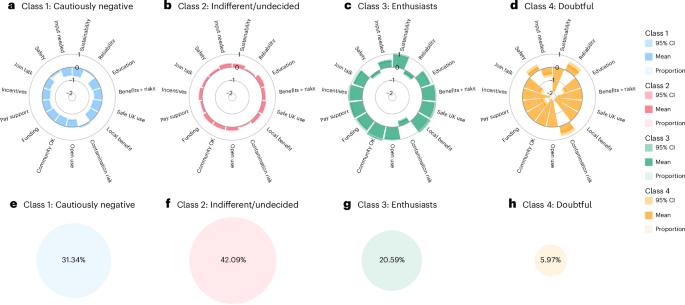
Aquifer thermal energy storage (ATES) can contribute to heating and cooling decarbonization by utilizing the thermal capacity of natural aquifers. Securing acceptance and support for deploying ATES at scale requires acknowledging public perceptions and designing systems compatible with public preferences. Here we characterize attitudinal stances and preferences for the deployment of ATES in public buildings in the UK. Using data from a social survey and a discrete choice experiment, we find substantial heterogeneity in public attitudes and support for ATES installations. Latent class analysis identifies four distinct stances, ranging from cautiously negative to enthusiastically supportive. Estimating mixed multinomial and hybrid choice models, we find strong preferences for quicker deployment of ATES infrastructure, with greater CO2 emissions-reduction capacity, that can be accessed by private households. Results point to the need for tailored communication strategies and preference-compatible design for achieving socially desirable sustainable energy transitions. Survey and discrete choice experiment data reveal substantial heterogeneity in the UK public’s stance towards aquifer thermal energy storage deployment and in preferences for deployment characteristics that vary with latent attitudes.
Nature EnergyEnergy-Energy Engineering and Power Technology
CiteScore
75.10
自引率
1.10%
发文量
193
期刊介绍:
Nature Energy is a monthly, online-only journal committed to showcasing the most impactful research on energy, covering everything from its generation and distribution to the societal implications of energy technologies and policies.
With a focus on exploring all facets of the ongoing energy discourse, Nature Energy delves into topics such as energy generation, storage, distribution, management, and the societal impacts of energy technologies and policies. Emphasizing studies that push the boundaries of knowledge and contribute to the development of next-generation solutions, the journal serves as a platform for the exchange of ideas among stakeholders at the forefront of the energy sector.
Maintaining the hallmark standards of the Nature brand, Nature Energy boasts a dedicated team of professional editors, a rigorous peer-review process, meticulous copy-editing and production, rapid publication times, and editorial independence.
In addition to original research articles, Nature Energy also publishes a range of content types, including Comments, Perspectives, Reviews, News & Views, Features, and Correspondence, covering a diverse array of disciplines relevant to the field of energy.