{"title":"气候变化背景下的蜱虫威胁:中东和北非区域的一种卫生应对战略","authors":"Nighat Perveen , Olivier Sparagano , Mohamed Gharbi , Gulfaraz Khan , Moneeb Qablan , Daniil Iliashevich , Uday Kishore , Arve Lee Willingham","doi":"10.1016/j.soh.2026.100148","DOIUrl":null,"url":null,"abstract":"<div><div>The Middle East and North Africa (MENA) region faces considerable challenges from ticks and tick-borne diseases (TBDs), exacerbated by climate change and its impact on human and animal health, as well as overall productivity. To address these interconnected issues, the United Arab Emirates University, located in Al Ain, Abu Dhabi Emirate, United Arab Emirates (UAE), hosted a multinational, transdisciplinary One Health symposium on climate change, ticks, and tick-borne diseases. The event brought together experts from across the region and beyond, featuring seven invited speakers who explored a wide range of topics, including climate change, TBDs of humans and animals, tick research in the UAE, and the One Health approach. The symposium highlighted major knowledge and research gaps, particularly in underexplored areas such as acaricide resistance, tick vaccine development, tick–pathogen interactions, wildlife–livestock interfaces, and the circulation and movement of tick-borne pathogens across the region. Discussions underscored the heavy burden of ticks and TBDs in the MENA region and their complex economic and public health implications. Participants emphasized the need for regional collaboration, enhanced tick surveillance, pathogen detection, and integrated management strategies. The symposium also encouraged the establishment of future alliances and partnerships among universities, government departments, and research institutions to foster joint research projects, resource sharing, and knowledge exchange. Within the One Health paradigm, participants concluded that regional priorities should focus on identifying and understanding tick-related problems, strengthening cross-sectoral cooperation, utilizing regional expertise and infrastructure, and engaging all stakeholders including the public in sustainable tick and TBD management. This collaborative approach is essential to mitigate the multifaceted challenges posed by ticks, tick-borne pathogens, and a changing climate in the MENA region.</div></div>","PeriodicalId":101146,"journal":{"name":"Science in One Health","volume":"5 ","pages":"Article 100148"},"PeriodicalIF":0.0000,"publicationDate":"2026-01-01","publicationTypes":"Journal Article","fieldsOfStudy":null,"isOpenAccess":false,"openAccessPdf":"","citationCount":"0","resultStr":"{\"title\":\"Tick threats in the context of climate change: One Health response strategies in the Middle East and North Africa region\",\"authors\":\"Nighat Perveen , Olivier Sparagano , Mohamed Gharbi , Gulfaraz Khan , Moneeb Qablan , Daniil Iliashevich , Uday Kishore , Arve Lee Willingham\",\"doi\":\"10.1016/j.soh.2026.100148\",\"DOIUrl\":null,\"url\":null,\"abstract\":\"<div><div>The Middle East and North Africa (MENA) region faces considerable challenges from ticks and tick-borne diseases (TBDs), exacerbated by climate change and its impact on human and animal health, as well as overall productivity. To address these interconnected issues, the United Arab Emirates University, located in Al Ain, Abu Dhabi Emirate, United Arab Emirates (UAE), hosted a multinational, transdisciplinary One Health symposium on climate change, ticks, and tick-borne diseases. The event brought together experts from across the region and beyond, featuring seven invited speakers who explored a wide range of topics, including climate change, TBDs of humans and animals, tick research in the UAE, and the One Health approach. The symposium highlighted major knowledge and research gaps, particularly in underexplored areas such as acaricide resistance, tick vaccine development, tick–pathogen interactions, wildlife–livestock interfaces, and the circulation and movement of tick-borne pathogens across the region. Discussions underscored the heavy burden of ticks and TBDs in the MENA region and their complex economic and public health implications. Participants emphasized the need for regional collaboration, enhanced tick surveillance, pathogen detection, and integrated management strategies. The symposium also encouraged the establishment of future alliances and partnerships among universities, government departments, and research institutions to foster joint research projects, resource sharing, and knowledge exchange. Within the One Health paradigm, participants concluded that regional priorities should focus on identifying and understanding tick-related problems, strengthening cross-sectoral cooperation, utilizing regional expertise and infrastructure, and engaging all stakeholders including the public in sustainable tick and TBD management. This collaborative approach is essential to mitigate the multifaceted challenges posed by ticks, tick-borne pathogens, and a changing climate in the MENA region.</div></div>\",\"PeriodicalId\":101146,\"journal\":{\"name\":\"Science in One Health\",\"volume\":\"5 \",\"pages\":\"Article 100148\"},\"PeriodicalIF\":0.0000,\"publicationDate\":\"2026-01-01\",\"publicationTypes\":\"Journal Article\",\"fieldsOfStudy\":null,\"isOpenAccess\":false,\"openAccessPdf\":\"\",\"citationCount\":\"0\",\"resultStr\":null,\"platform\":\"Semanticscholar\",\"paperid\":null,\"PeriodicalName\":\"Science in One Health\",\"FirstCategoryId\":\"1085\",\"ListUrlMain\":\"https://www.sciencedirect.com/science/article/pii/S294970432600003X\",\"RegionNum\":0,\"RegionCategory\":null,\"ArticlePicture\":[],\"TitleCN\":null,\"AbstractTextCN\":null,\"PMCID\":null,\"EPubDate\":\"2026/1/14 0:00:00\",\"PubModel\":\"Epub\",\"JCR\":\"\",\"JCRName\":\"\",\"Score\":null,\"Total\":0}","platform":"Semanticscholar","paperid":null,"PeriodicalName":"Science in One Health","FirstCategoryId":"1085","ListUrlMain":"https://www.sciencedirect.com/science/article/pii/S294970432600003X","RegionNum":0,"RegionCategory":null,"ArticlePicture":[],"TitleCN":null,"AbstractTextCN":null,"PMCID":null,"EPubDate":"2026/1/14 0:00:00","PubModel":"Epub","JCR":"","JCRName":"","Score":null,"Total":0}
Tick threats in the context of climate change: One Health response strategies in the Middle East and North Africa region
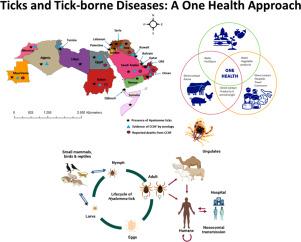
The Middle East and North Africa (MENA) region faces considerable challenges from ticks and tick-borne diseases (TBDs), exacerbated by climate change and its impact on human and animal health, as well as overall productivity. To address these interconnected issues, the United Arab Emirates University, located in Al Ain, Abu Dhabi Emirate, United Arab Emirates (UAE), hosted a multinational, transdisciplinary One Health symposium on climate change, ticks, and tick-borne diseases. The event brought together experts from across the region and beyond, featuring seven invited speakers who explored a wide range of topics, including climate change, TBDs of humans and animals, tick research in the UAE, and the One Health approach. The symposium highlighted major knowledge and research gaps, particularly in underexplored areas such as acaricide resistance, tick vaccine development, tick–pathogen interactions, wildlife–livestock interfaces, and the circulation and movement of tick-borne pathogens across the region. Discussions underscored the heavy burden of ticks and TBDs in the MENA region and their complex economic and public health implications. Participants emphasized the need for regional collaboration, enhanced tick surveillance, pathogen detection, and integrated management strategies. The symposium also encouraged the establishment of future alliances and partnerships among universities, government departments, and research institutions to foster joint research projects, resource sharing, and knowledge exchange. Within the One Health paradigm, participants concluded that regional priorities should focus on identifying and understanding tick-related problems, strengthening cross-sectoral cooperation, utilizing regional expertise and infrastructure, and engaging all stakeholders including the public in sustainable tick and TBD management. This collaborative approach is essential to mitigate the multifaceted challenges posed by ticks, tick-borne pathogens, and a changing climate in the MENA region.


 求助内容:
求助内容: 应助结果提醒方式:

 京公网安备 11010802042870号


