Carys J. Redman-White , Gwen Knight , Cristina Lanzas , Rodolphe Mader , Bram van Bunnik , Fernando O. Mardones , Adrian Muwonge , Guillaume Lhermie , Andrew R. Peters , Dominic Moran
{"title":"One Health抗菌素耐药性建模:从科学到政策。","authors":"Carys J. Redman-White , Gwen Knight , Cristina Lanzas , Rodolphe Mader , Bram van Bunnik , Fernando O. Mardones , Adrian Muwonge , Guillaume Lhermie , Andrew R. Peters , Dominic Moran","doi":"10.1016/j.soh.2026.100146","DOIUrl":null,"url":null,"abstract":"<div><div>Modern human and veterinary medical interventions to combat infectious diseases depend on the continued efficacy of antimicrobial drugs. Antimicrobial resistance (AMR) is the quintessential One Health challenge threatening human and animal health and welfare and has environmental effects on ecological communities in soil and water. Policy guidance on AMR needs to anticipate the likely outcomes of different interventions and courses of action. For that, transdisciplinary collaboration to understand the development, spread, and impacts of AMR is crucial. We report the outcomes of an international workshop that explored the challenges and opportunities for modelling AMR across One Health settings. They include the disparity of data quality and availability, the broader knowledge gaps in key areas such as the relationship between antimicrobial use (AMU) and AMR, and the difficulty of defining AMR as a single outcome given its heterogeneity. Differences between microbial species, resistance genes, environments (i.e., terrestrial vs. aquatic) and practical settings (e.g., human clinical vs. veterinary, or individual vs. population) complicate the generalizability of model applications. However, synoptic AMR metrics are necessary to cut through the complexity for policymaking. We discuss the status of AMR modelling with respect to a hierarchy of modelling evidence for decision-making. Finally, we consider learnings from modelling other wicked environmental challenges to develop a pragmatic approach to inform policy.</div></div>","PeriodicalId":101146,"journal":{"name":"Science in One Health","volume":"5 ","pages":"Article 100146"},"PeriodicalIF":0.0000,"publicationDate":"2026-01-01","publicationTypes":"Journal Article","fieldsOfStudy":null,"isOpenAccess":false,"openAccessPdf":"","citationCount":"0","resultStr":"{\"title\":\"One Health antimicrobial resistance modelling: from science to policy\",\"authors\":\"Carys J. Redman-White , Gwen Knight , Cristina Lanzas , Rodolphe Mader , Bram van Bunnik , Fernando O. Mardones , Adrian Muwonge , Guillaume Lhermie , Andrew R. Peters , Dominic Moran\",\"doi\":\"10.1016/j.soh.2026.100146\",\"DOIUrl\":null,\"url\":null,\"abstract\":\"<div><div>Modern human and veterinary medical interventions to combat infectious diseases depend on the continued efficacy of antimicrobial drugs. Antimicrobial resistance (AMR) is the quintessential One Health challenge threatening human and animal health and welfare and has environmental effects on ecological communities in soil and water. Policy guidance on AMR needs to anticipate the likely outcomes of different interventions and courses of action. For that, transdisciplinary collaboration to understand the development, spread, and impacts of AMR is crucial. We report the outcomes of an international workshop that explored the challenges and opportunities for modelling AMR across One Health settings. They include the disparity of data quality and availability, the broader knowledge gaps in key areas such as the relationship between antimicrobial use (AMU) and AMR, and the difficulty of defining AMR as a single outcome given its heterogeneity. Differences between microbial species, resistance genes, environments (i.e., terrestrial vs. aquatic) and practical settings (e.g., human clinical vs. veterinary, or individual vs. population) complicate the generalizability of model applications. However, synoptic AMR metrics are necessary to cut through the complexity for policymaking. We discuss the status of AMR modelling with respect to a hierarchy of modelling evidence for decision-making. Finally, we consider learnings from modelling other wicked environmental challenges to develop a pragmatic approach to inform policy.</div></div>\",\"PeriodicalId\":101146,\"journal\":{\"name\":\"Science in One Health\",\"volume\":\"5 \",\"pages\":\"Article 100146\"},\"PeriodicalIF\":0.0000,\"publicationDate\":\"2026-01-01\",\"publicationTypes\":\"Journal Article\",\"fieldsOfStudy\":null,\"isOpenAccess\":false,\"openAccessPdf\":\"\",\"citationCount\":\"0\",\"resultStr\":null,\"platform\":\"Semanticscholar\",\"paperid\":null,\"PeriodicalName\":\"Science in One Health\",\"FirstCategoryId\":\"1085\",\"ListUrlMain\":\"https://www.sciencedirect.com/science/article/pii/S2949704326000016\",\"RegionNum\":0,\"RegionCategory\":null,\"ArticlePicture\":[],\"TitleCN\":null,\"AbstractTextCN\":null,\"PMCID\":null,\"EPubDate\":\"2026/1/10 0:00:00\",\"PubModel\":\"Epub\",\"JCR\":\"\",\"JCRName\":\"\",\"Score\":null,\"Total\":0}","platform":"Semanticscholar","paperid":null,"PeriodicalName":"Science in One Health","FirstCategoryId":"1085","ListUrlMain":"https://www.sciencedirect.com/science/article/pii/S2949704326000016","RegionNum":0,"RegionCategory":null,"ArticlePicture":[],"TitleCN":null,"AbstractTextCN":null,"PMCID":null,"EPubDate":"2026/1/10 0:00:00","PubModel":"Epub","JCR":"","JCRName":"","Score":null,"Total":0}
One Health antimicrobial resistance modelling: from science to policy
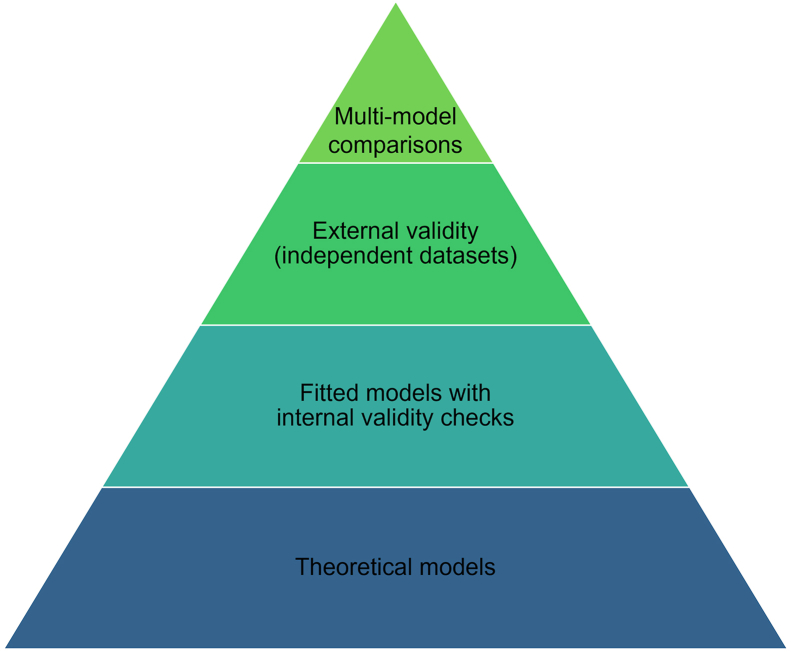
Modern human and veterinary medical interventions to combat infectious diseases depend on the continued efficacy of antimicrobial drugs. Antimicrobial resistance (AMR) is the quintessential One Health challenge threatening human and animal health and welfare and has environmental effects on ecological communities in soil and water. Policy guidance on AMR needs to anticipate the likely outcomes of different interventions and courses of action. For that, transdisciplinary collaboration to understand the development, spread, and impacts of AMR is crucial. We report the outcomes of an international workshop that explored the challenges and opportunities for modelling AMR across One Health settings. They include the disparity of data quality and availability, the broader knowledge gaps in key areas such as the relationship between antimicrobial use (AMU) and AMR, and the difficulty of defining AMR as a single outcome given its heterogeneity. Differences between microbial species, resistance genes, environments (i.e., terrestrial vs. aquatic) and practical settings (e.g., human clinical vs. veterinary, or individual vs. population) complicate the generalizability of model applications. However, synoptic AMR metrics are necessary to cut through the complexity for policymaking. We discuss the status of AMR modelling with respect to a hierarchy of modelling evidence for decision-making. Finally, we consider learnings from modelling other wicked environmental challenges to develop a pragmatic approach to inform policy.



 求助内容:
求助内容: 应助结果提醒方式:

 京公网安备 11010802042870号


