Tünde Lévai, György Lázár, Zsolt Simonka, Attila Paszt, Zoltán Horváth, Aurél Ottlakán, Adrienn Holczer, Andrea Göncző, Nikolett Börcsök, Gréta Pipicz, Melinda Látos
{"title":"乳腺癌康复身心计划:评价多学科小组对促进健康行为进行的促进健康干预的影响:一项准随机对照临床试验。","authors":"Tünde Lévai, György Lázár, Zsolt Simonka, Attila Paszt, Zoltán Horváth, Aurél Ottlakán, Adrienn Holczer, Andrea Göncző, Nikolett Börcsök, Gréta Pipicz, Melinda Látos","doi":"10.1186/s40359-025-03754-1","DOIUrl":null,"url":null,"abstract":"<p><p>BACKGROUND: A growing body of evidence suggests that a healthy lifestyle strongly correlates with better prognosis and reduced mortality among breast cancer patients. However, cancer survivors often struggle to adhere to lifestyle recommendations for maintaining health, and there is currently a lack of evidence in the literature on how to maintain commitment to a health-promoting lifestyle in these patients. Therefore, we aimed to develop a multidisciplinary health promotion intervention programme to support health-promoting behaviours in patients recovering from malignant breast cancer. METHODS: Our quasi-randomised-controlled clinical trial involved breast cancer patients who were enrolled in the study two weeks before their primary breast surgery and then completed our follow-up six months after surgery. We conducted a preliminary sample size estimate (64 participants per group), and the final sample size consisted of 80 participants; 40 patients were assigned to the intervention group (Mean age: 52.63, SD: 9.05), and 40 patients belonged to the control group (Mean age: 52.63, SD: 8.81). The drop-out rates ranged between 0 and 55% during the measurement sessions. To measure the health-promoting lifestyle, the primary outcome of the present study, we used the Health-Promoting Lifestyle Profile II. Other assessment instruments were the Beck Depression Inventory, Spielberger's State and Trait Anxiety Scale, Perceived Stress Scale, Breast Impact of Treatment Scale, and Functional Assessment of Cancer Therapy Breast Scale. The impact of the intervention on health-promoting lifestyle was assessed by analysing the interaction and main effects of Group and Time, using a multilevel model. RESULTS: Our study showed a significant Group and Time interaction for the summative health-promoting lifestyle (p = 0.007), physical activity (p = 0.01), spiritual growth (p = 0.049), and emotional well-being (p = 0.02) variables in the intervention group. CONCLUSIONS: The results of our study suggest that the period immediately preceding adjuvant oncological treatment after primary breast surgery is an ideal time for implementing a multidisciplinary health promotion intervention. Additionally, the intervention demonstrated effectiveness in enhancing both physical and mental activity levels, which are crucial components of the recovery process in breast cancer patients. TRIAL REGISTRATION: ISRCTN, ISRCTN12745329. Registered on 1 March 2024. Retrospectively registered, https://www.isrctn.com/ISRCTN12745329 . </p>","PeriodicalId":37867,"journal":{"name":"BMC Psychology","volume":" ","pages":"36"},"PeriodicalIF":4.6000,"publicationDate":"2025-12-07","publicationTypes":"Journal Article","fieldsOfStudy":null,"isOpenAccess":false,"openAccessPdf":"https://www.ncbi.nlm.nih.gov/pmc/articles/PMC12797902/pdf/","citationCount":"0","resultStr":"{\"title\":\"Body and Mind Programme for recovery from breast cancer: Evaluation of the impact of health promotion intervention carried out in a multidisciplinary team on health-promoting behaviours: a quasi-randomised-controlled clinical trial.\",\"authors\":\"Tünde Lévai, György Lázár, Zsolt Simonka, Attila Paszt, Zoltán Horváth, Aurél Ottlakán, Adrienn Holczer, Andrea Göncző, Nikolett Börcsök, Gréta Pipicz, Melinda Látos\",\"doi\":\"10.1186/s40359-025-03754-1\",\"DOIUrl\":null,\"url\":null,\"abstract\":\"<p><p>BACKGROUND: A growing body of evidence suggests that a healthy lifestyle strongly correlates with better prognosis and reduced mortality among breast cancer patients. However, cancer survivors often struggle to adhere to lifestyle recommendations for maintaining health, and there is currently a lack of evidence in the literature on how to maintain commitment to a health-promoting lifestyle in these patients. Therefore, we aimed to develop a multidisciplinary health promotion intervention programme to support health-promoting behaviours in patients recovering from malignant breast cancer. METHODS: Our quasi-randomised-controlled clinical trial involved breast cancer patients who were enrolled in the study two weeks before their primary breast surgery and then completed our follow-up six months after surgery. We conducted a preliminary sample size estimate (64 participants per group), and the final sample size consisted of 80 participants; 40 patients were assigned to the intervention group (Mean age: 52.63, SD: 9.05), and 40 patients belonged to the control group (Mean age: 52.63, SD: 8.81). The drop-out rates ranged between 0 and 55% during the measurement sessions. To measure the health-promoting lifestyle, the primary outcome of the present study, we used the Health-Promoting Lifestyle Profile II. Other assessment instruments were the Beck Depression Inventory, Spielberger's State and Trait Anxiety Scale, Perceived Stress Scale, Breast Impact of Treatment Scale, and Functional Assessment of Cancer Therapy Breast Scale. The impact of the intervention on health-promoting lifestyle was assessed by analysing the interaction and main effects of Group and Time, using a multilevel model. RESULTS: Our study showed a significant Group and Time interaction for the summative health-promoting lifestyle (p = 0.007), physical activity (p = 0.01), spiritual growth (p = 0.049), and emotional well-being (p = 0.02) variables in the intervention group. CONCLUSIONS: The results of our study suggest that the period immediately preceding adjuvant oncological treatment after primary breast surgery is an ideal time for implementing a multidisciplinary health promotion intervention. Additionally, the intervention demonstrated effectiveness in enhancing both physical and mental activity levels, which are crucial components of the recovery process in breast cancer patients. TRIAL REGISTRATION: ISRCTN, ISRCTN12745329. Registered on 1 March 2024. Retrospectively registered, https://www.isrctn.com/ISRCTN12745329 . </p>\",\"PeriodicalId\":37867,\"journal\":{\"name\":\"BMC Psychology\",\"volume\":\" \",\"pages\":\"36\"},\"PeriodicalIF\":4.6000,\"publicationDate\":\"2025-12-07\",\"publicationTypes\":\"Journal Article\",\"fieldsOfStudy\":null,\"isOpenAccess\":false,\"openAccessPdf\":\"https://www.ncbi.nlm.nih.gov/pmc/articles/PMC12797902/pdf/\",\"citationCount\":\"0\",\"resultStr\":null,\"platform\":\"Semanticscholar\",\"paperid\":null,\"PeriodicalName\":\"BMC Psychology\",\"FirstCategoryId\":\"102\",\"ListUrlMain\":\"https://doi.org/10.1186/s40359-025-03754-1\",\"RegionNum\":3,\"RegionCategory\":\"心理学\",\"ArticlePicture\":[],\"TitleCN\":null,\"AbstractTextCN\":null,\"PMCID\":null,\"EPubDate\":\"\",\"PubModel\":\"\",\"JCR\":\"Q1\",\"JCRName\":\"PSYCHOLOGY, MULTIDISCIPLINARY\",\"Score\":null,\"Total\":0}","platform":"Semanticscholar","paperid":null,"PeriodicalName":"BMC Psychology","FirstCategoryId":"102","ListUrlMain":"https://doi.org/10.1186/s40359-025-03754-1","RegionNum":3,"RegionCategory":"心理学","ArticlePicture":[],"TitleCN":null,"AbstractTextCN":null,"PMCID":null,"EPubDate":"","PubModel":"","JCR":"Q1","JCRName":"PSYCHOLOGY, MULTIDISCIPLINARY","Score":null,"Total":0}
Body and Mind Programme for recovery from breast cancer: Evaluation of the impact of health promotion intervention carried out in a multidisciplinary team on health-promoting behaviours: a quasi-randomised-controlled clinical trial.
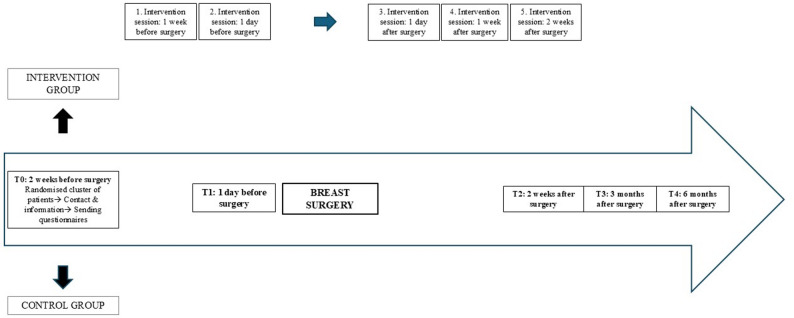
BACKGROUND: A growing body of evidence suggests that a healthy lifestyle strongly correlates with better prognosis and reduced mortality among breast cancer patients. However, cancer survivors often struggle to adhere to lifestyle recommendations for maintaining health, and there is currently a lack of evidence in the literature on how to maintain commitment to a health-promoting lifestyle in these patients. Therefore, we aimed to develop a multidisciplinary health promotion intervention programme to support health-promoting behaviours in patients recovering from malignant breast cancer. METHODS: Our quasi-randomised-controlled clinical trial involved breast cancer patients who were enrolled in the study two weeks before their primary breast surgery and then completed our follow-up six months after surgery. We conducted a preliminary sample size estimate (64 participants per group), and the final sample size consisted of 80 participants; 40 patients were assigned to the intervention group (Mean age: 52.63, SD: 9.05), and 40 patients belonged to the control group (Mean age: 52.63, SD: 8.81). The drop-out rates ranged between 0 and 55% during the measurement sessions. To measure the health-promoting lifestyle, the primary outcome of the present study, we used the Health-Promoting Lifestyle Profile II. Other assessment instruments were the Beck Depression Inventory, Spielberger's State and Trait Anxiety Scale, Perceived Stress Scale, Breast Impact of Treatment Scale, and Functional Assessment of Cancer Therapy Breast Scale. The impact of the intervention on health-promoting lifestyle was assessed by analysing the interaction and main effects of Group and Time, using a multilevel model. RESULTS: Our study showed a significant Group and Time interaction for the summative health-promoting lifestyle (p = 0.007), physical activity (p = 0.01), spiritual growth (p = 0.049), and emotional well-being (p = 0.02) variables in the intervention group. CONCLUSIONS: The results of our study suggest that the period immediately preceding adjuvant oncological treatment after primary breast surgery is an ideal time for implementing a multidisciplinary health promotion intervention. Additionally, the intervention demonstrated effectiveness in enhancing both physical and mental activity levels, which are crucial components of the recovery process in breast cancer patients. TRIAL REGISTRATION: ISRCTN, ISRCTN12745329. Registered on 1 March 2024. Retrospectively registered, https://www.isrctn.com/ISRCTN12745329 .
期刊介绍:
BMC Psychology is an open access, peer-reviewed journal that considers manuscripts on all aspects of psychology, human behavior and the mind, including developmental, clinical, cognitive, experimental, health and social psychology, as well as personality and individual differences. The journal welcomes quantitative and qualitative research methods, including animal studies.



 求助内容:
求助内容: 应助结果提醒方式:

 京公网安备 11010802042870号


