Aseel Abuhammad, Mohammed Ayyad, Maram Albandak, Motaz Natsheh, Saed I Y Attawna
{"title":"左氧氟沙星诱导的富克斯综合征:一种罕见的非典型史蒂文斯-约翰逊综合征变体:综合文献综述。","authors":"Aseel Abuhammad, Mohammed Ayyad, Maram Albandak, Motaz Natsheh, Saed I Y Attawna","doi":"10.1155/carm/9944674","DOIUrl":null,"url":null,"abstract":"<p><strong>Background: </strong>Fuchs syndrome, also known as atypical Stevens-Johnson syndrome (SJS), is a rare variant of SJS that primarily affects the mucosae of the mouth, eyes, and genitalia with minimal to no skin involvement. This case is notable due to the absence of skin manifestations and the critical need for accurate diagnosis and appropriate management, especially following drug administration.</p><p><strong>Case presentation: </strong>We report a case of a 22-year-old male patient who presented with severe oral ulcers, causing difficulty in talking and swallowing. The patient was recently treated for an upper respiratory tract infection with levofloxacin. Shortly thereafter, he developed oral and genital ulcers, as well as conjunctivitis. Upon admission, various differential diagnoses including autoimmune and infectious were considered but subsequently ruled out. As symptoms worsened, a biopsy of the affected mucosa was performed and confirmed the diagnosis of SJS. The patient was subsequently treated with corticosteroids resulting in rapid improvement of his symptoms.</p><p><strong>Conclusions: </strong>This case highlights the importance of considering Fuchs syndrome as a potential cause of mucositis following drug administration, particularly in the absence of cutaneous lesions. Accurate diagnosis and prompt treatment are crucial for patient recovery.</p>","PeriodicalId":9627,"journal":{"name":"Case Reports in Medicine","volume":"2025 ","pages":"9944674"},"PeriodicalIF":0.7000,"publicationDate":"2025-11-20","publicationTypes":"Journal Article","fieldsOfStudy":null,"isOpenAccess":false,"openAccessPdf":"https://www.ncbi.nlm.nih.gov/pmc/articles/PMC12660619/pdf/","citationCount":"0","resultStr":"{\"title\":\"Levofloxacin-Induced Fuchs Syndrome: A Rare Atypical Stevens-Johnson Syndrome Variant With a Comprehensive Literature Review.\",\"authors\":\"Aseel Abuhammad, Mohammed Ayyad, Maram Albandak, Motaz Natsheh, Saed I Y Attawna\",\"doi\":\"10.1155/carm/9944674\",\"DOIUrl\":null,\"url\":null,\"abstract\":\"<p><strong>Background: </strong>Fuchs syndrome, also known as atypical Stevens-Johnson syndrome (SJS), is a rare variant of SJS that primarily affects the mucosae of the mouth, eyes, and genitalia with minimal to no skin involvement. This case is notable due to the absence of skin manifestations and the critical need for accurate diagnosis and appropriate management, especially following drug administration.</p><p><strong>Case presentation: </strong>We report a case of a 22-year-old male patient who presented with severe oral ulcers, causing difficulty in talking and swallowing. The patient was recently treated for an upper respiratory tract infection with levofloxacin. Shortly thereafter, he developed oral and genital ulcers, as well as conjunctivitis. Upon admission, various differential diagnoses including autoimmune and infectious were considered but subsequently ruled out. As symptoms worsened, a biopsy of the affected mucosa was performed and confirmed the diagnosis of SJS. The patient was subsequently treated with corticosteroids resulting in rapid improvement of his symptoms.</p><p><strong>Conclusions: </strong>This case highlights the importance of considering Fuchs syndrome as a potential cause of mucositis following drug administration, particularly in the absence of cutaneous lesions. Accurate diagnosis and prompt treatment are crucial for patient recovery.</p>\",\"PeriodicalId\":9627,\"journal\":{\"name\":\"Case Reports in Medicine\",\"volume\":\"2025 \",\"pages\":\"9944674\"},\"PeriodicalIF\":0.7000,\"publicationDate\":\"2025-11-20\",\"publicationTypes\":\"Journal Article\",\"fieldsOfStudy\":null,\"isOpenAccess\":false,\"openAccessPdf\":\"https://www.ncbi.nlm.nih.gov/pmc/articles/PMC12660619/pdf/\",\"citationCount\":\"0\",\"resultStr\":null,\"platform\":\"Semanticscholar\",\"paperid\":null,\"PeriodicalName\":\"Case Reports in Medicine\",\"FirstCategoryId\":\"1085\",\"ListUrlMain\":\"https://doi.org/10.1155/carm/9944674\",\"RegionNum\":0,\"RegionCategory\":null,\"ArticlePicture\":[],\"TitleCN\":null,\"AbstractTextCN\":null,\"PMCID\":null,\"EPubDate\":\"2025/1/1 0:00:00\",\"PubModel\":\"eCollection\",\"JCR\":\"Q3\",\"JCRName\":\"MEDICINE, GENERAL & INTERNAL\",\"Score\":null,\"Total\":0}","platform":"Semanticscholar","paperid":null,"PeriodicalName":"Case Reports in Medicine","FirstCategoryId":"1085","ListUrlMain":"https://doi.org/10.1155/carm/9944674","RegionNum":0,"RegionCategory":null,"ArticlePicture":[],"TitleCN":null,"AbstractTextCN":null,"PMCID":null,"EPubDate":"2025/1/1 0:00:00","PubModel":"eCollection","JCR":"Q3","JCRName":"MEDICINE, GENERAL & INTERNAL","Score":null,"Total":0}
Levofloxacin-Induced Fuchs Syndrome: A Rare Atypical Stevens-Johnson Syndrome Variant With a Comprehensive Literature Review.
Background: Fuchs syndrome, also known as atypical Stevens-Johnson syndrome (SJS), is a rare variant of SJS that primarily affects the mucosae of the mouth, eyes, and genitalia with minimal to no skin involvement. This case is notable due to the absence of skin manifestations and the critical need for accurate diagnosis and appropriate management, especially following drug administration.
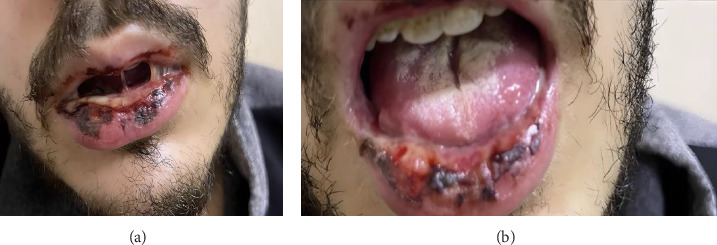
Case presentation: We report a case of a 22-year-old male patient who presented with severe oral ulcers, causing difficulty in talking and swallowing. The patient was recently treated for an upper respiratory tract infection with levofloxacin. Shortly thereafter, he developed oral and genital ulcers, as well as conjunctivitis. Upon admission, various differential diagnoses including autoimmune and infectious were considered but subsequently ruled out. As symptoms worsened, a biopsy of the affected mucosa was performed and confirmed the diagnosis of SJS. The patient was subsequently treated with corticosteroids resulting in rapid improvement of his symptoms.
Conclusions: This case highlights the importance of considering Fuchs syndrome as a potential cause of mucositis following drug administration, particularly in the absence of cutaneous lesions. Accurate diagnosis and prompt treatment are crucial for patient recovery.



 求助内容:
求助内容: 应助结果提醒方式:

 京公网安备 11010802042870号


