{"title":"胰岛素瘤最初被误诊为偏头痛。","authors":"Javeria Hameed, Irbaz Ahmed, Abed M Zaitoun, Ammar Salman Syed, Claudia Santos, Carolyn Chee","doi":"10.22551/2025.48.1203.10325","DOIUrl":null,"url":null,"abstract":"<p><p>Insulinoma is a rare functional neuroendocrine tumor of pancreatic islet cells that produces excessive insulin leading to neuroglycopenic and autonomic symptoms relieved by glucose. We report a case of a 39-year-old woman with recurrent neuroglycopenic symptoms for nearly five years, initially misdiagnosed as migraine, until she presented to ED with a collapse secondary to hypoglycemia. Biochemical confirmation was obtained during a supervised 72-hour fast, with symptomatic hypoglycemia which showed lowest glucose levels of 1.7mmol/L, elevated C-peptide levels of 2,271pmol/L, high insulin levels of 83.5 mU/L and a negative sulfonylurea screen. Imaging demonstrated a large hyper enhancing pancreatic mass, confirmed by <sup>68</sup>Ga-DOTATATE PET as a solitary lesion without metastasis. Histopathology revealed a well-differentiated Grade 1 neuroendocrine tumor measuring 90×65×40 mm. Following surgical intervention, she demonstrated a successful recovery. This case emphasizes the need to consider insulinoma early in the differential diagnosis of recurrent neuroglycopenic episodes to prevent serious complications and avoid inappropriate treatments.</p>","PeriodicalId":72274,"journal":{"name":"Archive of clinical cases","volume":"12 3","pages":"127-131"},"PeriodicalIF":0.6000,"publicationDate":"2025-09-30","publicationTypes":"Journal Article","fieldsOfStudy":null,"isOpenAccess":false,"openAccessPdf":"https://www.ncbi.nlm.nih.gov/pmc/articles/PMC12481506/pdf/","citationCount":"0","resultStr":"{\"title\":\"Insulinoma initially misdiagnosed as migraine.\",\"authors\":\"Javeria Hameed, Irbaz Ahmed, Abed M Zaitoun, Ammar Salman Syed, Claudia Santos, Carolyn Chee\",\"doi\":\"10.22551/2025.48.1203.10325\",\"DOIUrl\":null,\"url\":null,\"abstract\":\"<p><p>Insulinoma is a rare functional neuroendocrine tumor of pancreatic islet cells that produces excessive insulin leading to neuroglycopenic and autonomic symptoms relieved by glucose. We report a case of a 39-year-old woman with recurrent neuroglycopenic symptoms for nearly five years, initially misdiagnosed as migraine, until she presented to ED with a collapse secondary to hypoglycemia. Biochemical confirmation was obtained during a supervised 72-hour fast, with symptomatic hypoglycemia which showed lowest glucose levels of 1.7mmol/L, elevated C-peptide levels of 2,271pmol/L, high insulin levels of 83.5 mU/L and a negative sulfonylurea screen. Imaging demonstrated a large hyper enhancing pancreatic mass, confirmed by <sup>68</sup>Ga-DOTATATE PET as a solitary lesion without metastasis. Histopathology revealed a well-differentiated Grade 1 neuroendocrine tumor measuring 90×65×40 mm. Following surgical intervention, she demonstrated a successful recovery. This case emphasizes the need to consider insulinoma early in the differential diagnosis of recurrent neuroglycopenic episodes to prevent serious complications and avoid inappropriate treatments.</p>\",\"PeriodicalId\":72274,\"journal\":{\"name\":\"Archive of clinical cases\",\"volume\":\"12 3\",\"pages\":\"127-131\"},\"PeriodicalIF\":0.6000,\"publicationDate\":\"2025-09-30\",\"publicationTypes\":\"Journal Article\",\"fieldsOfStudy\":null,\"isOpenAccess\":false,\"openAccessPdf\":\"https://www.ncbi.nlm.nih.gov/pmc/articles/PMC12481506/pdf/\",\"citationCount\":\"0\",\"resultStr\":null,\"platform\":\"Semanticscholar\",\"paperid\":null,\"PeriodicalName\":\"Archive of clinical cases\",\"FirstCategoryId\":\"1085\",\"ListUrlMain\":\"https://doi.org/10.22551/2025.48.1203.10325\",\"RegionNum\":0,\"RegionCategory\":null,\"ArticlePicture\":[],\"TitleCN\":null,\"AbstractTextCN\":null,\"PMCID\":null,\"EPubDate\":\"2025/1/1 0:00:00\",\"PubModel\":\"eCollection\",\"JCR\":\"Q3\",\"JCRName\":\"MEDICINE, GENERAL & INTERNAL\",\"Score\":null,\"Total\":0}","platform":"Semanticscholar","paperid":null,"PeriodicalName":"Archive of clinical cases","FirstCategoryId":"1085","ListUrlMain":"https://doi.org/10.22551/2025.48.1203.10325","RegionNum":0,"RegionCategory":null,"ArticlePicture":[],"TitleCN":null,"AbstractTextCN":null,"PMCID":null,"EPubDate":"2025/1/1 0:00:00","PubModel":"eCollection","JCR":"Q3","JCRName":"MEDICINE, GENERAL & INTERNAL","Score":null,"Total":0}
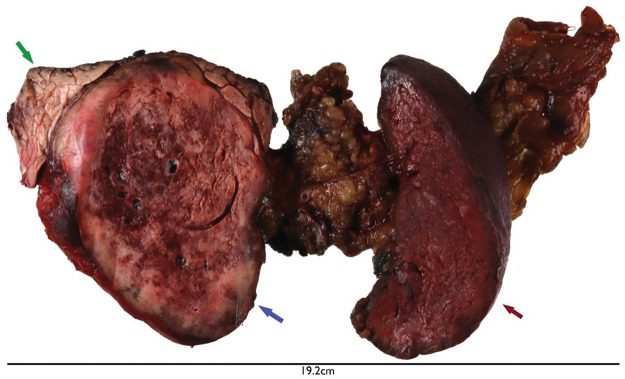
Insulinoma is a rare functional neuroendocrine tumor of pancreatic islet cells that produces excessive insulin leading to neuroglycopenic and autonomic symptoms relieved by glucose. We report a case of a 39-year-old woman with recurrent neuroglycopenic symptoms for nearly five years, initially misdiagnosed as migraine, until she presented to ED with a collapse secondary to hypoglycemia. Biochemical confirmation was obtained during a supervised 72-hour fast, with symptomatic hypoglycemia which showed lowest glucose levels of 1.7mmol/L, elevated C-peptide levels of 2,271pmol/L, high insulin levels of 83.5 mU/L and a negative sulfonylurea screen. Imaging demonstrated a large hyper enhancing pancreatic mass, confirmed by 68Ga-DOTATATE PET as a solitary lesion without metastasis. Histopathology revealed a well-differentiated Grade 1 neuroendocrine tumor measuring 90×65×40 mm. Following surgical intervention, she demonstrated a successful recovery. This case emphasizes the need to consider insulinoma early in the differential diagnosis of recurrent neuroglycopenic episodes to prevent serious complications and avoid inappropriate treatments.




 求助内容:
求助内容: 应助结果提醒方式:

 京公网安备 11010802042870号


