Aymen Abdalla, Abdelrahman Ali, I O Abufatima, Saeed Majzoub, Tasneem A E Elbasheer, Sara M A O Ahmed, Seima Osman, Yousra K K Khalid, Ahmed Elamir, Hiba K K Khalid, Nihal M A Abdelmutalib, Sagad O O Mohamed
{"title":"尿NGAL在类固醇抵抗与类固醇敏感肾病综合征中的应用:系统回顾和荟萃分析。","authors":"Aymen Abdalla, Abdelrahman Ali, I O Abufatima, Saeed Majzoub, Tasneem A E Elbasheer, Sara M A O Ahmed, Seima Osman, Yousra K K Khalid, Ahmed Elamir, Hiba K K Khalid, Nihal M A Abdelmutalib, Sagad O O Mohamed","doi":"10.1186/s12882-025-04420-9","DOIUrl":null,"url":null,"abstract":"<p><strong>Background: </strong>Nephrotic syndrome is a common glomerular disorder. Treatment typically begins with corticosteroids, but patient response varies. Differentiating between steroid-sensitive nephrotic syndrome (SSNS) and steroid-resistant nephrotic syndrome (SRNS) early in the disease course is important, as SRNS is associated with a higher risk of poor long-term outcomes. Neutrophil gelatinase-associated lipocalin (NGAL), a biomarker released in response to tubular injury, has emerged as a potential non-invasive marker for renal damage.</p><p><strong>Methods: </strong>We conducted a systematic review and meta-analysis of studies reporting NGAL levels in SSNS and SRNS, based on the PRISMA guidelines. A comprehensive literature search was conducted using PubMed, Scopus, Web of Science, ScienceDirect, and the WHO Virtual Health Library Regional. The statistical analysis was performed using a random-effects model to estimate the standardized mean difference (SMD) with a 95% confidence interval.</p><p><strong>Results: </strong>A total of 16 studies were included. Meta-analyses revealed significantly higher urinary NGAL levels in both SSNS and SRNS patients compared to healthy controls. Urinary NGAL levels were significantly higher in SSNS and SRNS patients compared to healthy controls, with SMD = 0.78 (95% CI: 0.434-1.128, P < .001) and SMD = 2.56 (95% CI: 1.152-3.971, P < .001), respectively. Patients with SRNS had markedly higher urinary NGAL levels than those with SSNS (SMD = 1.889, 95% CI: 0.819-2.959, P < .001). ROC analyses across several studies demonstrated moderate to strong discriminative ability of urinary NGAL in distinguishing between SRNS and SSNS.</p><p><strong>Conclusion: </strong>Urinary NGAL demonstrated strong potential as a non-invasive biomarker for distinguishing between SRNS and SSNS, supporting its clinical utility in early diagnosis, risk stratification, and management.</p>","PeriodicalId":9089,"journal":{"name":"BMC Nephrology","volume":"26 1","pages":"486"},"PeriodicalIF":2.4000,"publicationDate":"2025-08-23","publicationTypes":"Journal Article","fieldsOfStudy":null,"isOpenAccess":false,"openAccessPdf":"https://www.ncbi.nlm.nih.gov/pmc/articles/PMC12374481/pdf/","citationCount":"0","resultStr":"{\"title\":\"Use of urinary NGAL in steroid-resistant vs. steroid-sensitive nephrotic syndrome: a systematic review and meta-analysis.\",\"authors\":\"Aymen Abdalla, Abdelrahman Ali, I O Abufatima, Saeed Majzoub, Tasneem A E Elbasheer, Sara M A O Ahmed, Seima Osman, Yousra K K Khalid, Ahmed Elamir, Hiba K K Khalid, Nihal M A Abdelmutalib, Sagad O O Mohamed\",\"doi\":\"10.1186/s12882-025-04420-9\",\"DOIUrl\":null,\"url\":null,\"abstract\":\"<p><strong>Background: </strong>Nephrotic syndrome is a common glomerular disorder. Treatment typically begins with corticosteroids, but patient response varies. Differentiating between steroid-sensitive nephrotic syndrome (SSNS) and steroid-resistant nephrotic syndrome (SRNS) early in the disease course is important, as SRNS is associated with a higher risk of poor long-term outcomes. Neutrophil gelatinase-associated lipocalin (NGAL), a biomarker released in response to tubular injury, has emerged as a potential non-invasive marker for renal damage.</p><p><strong>Methods: </strong>We conducted a systematic review and meta-analysis of studies reporting NGAL levels in SSNS and SRNS, based on the PRISMA guidelines. A comprehensive literature search was conducted using PubMed, Scopus, Web of Science, ScienceDirect, and the WHO Virtual Health Library Regional. The statistical analysis was performed using a random-effects model to estimate the standardized mean difference (SMD) with a 95% confidence interval.</p><p><strong>Results: </strong>A total of 16 studies were included. Meta-analyses revealed significantly higher urinary NGAL levels in both SSNS and SRNS patients compared to healthy controls. Urinary NGAL levels were significantly higher in SSNS and SRNS patients compared to healthy controls, with SMD = 0.78 (95% CI: 0.434-1.128, P < .001) and SMD = 2.56 (95% CI: 1.152-3.971, P < .001), respectively. Patients with SRNS had markedly higher urinary NGAL levels than those with SSNS (SMD = 1.889, 95% CI: 0.819-2.959, P < .001). ROC analyses across several studies demonstrated moderate to strong discriminative ability of urinary NGAL in distinguishing between SRNS and SSNS.</p><p><strong>Conclusion: </strong>Urinary NGAL demonstrated strong potential as a non-invasive biomarker for distinguishing between SRNS and SSNS, supporting its clinical utility in early diagnosis, risk stratification, and management.</p>\",\"PeriodicalId\":9089,\"journal\":{\"name\":\"BMC Nephrology\",\"volume\":\"26 1\",\"pages\":\"486\"},\"PeriodicalIF\":2.4000,\"publicationDate\":\"2025-08-23\",\"publicationTypes\":\"Journal Article\",\"fieldsOfStudy\":null,\"isOpenAccess\":false,\"openAccessPdf\":\"https://www.ncbi.nlm.nih.gov/pmc/articles/PMC12374481/pdf/\",\"citationCount\":\"0\",\"resultStr\":null,\"platform\":\"Semanticscholar\",\"paperid\":null,\"PeriodicalName\":\"BMC Nephrology\",\"FirstCategoryId\":\"3\",\"ListUrlMain\":\"https://doi.org/10.1186/s12882-025-04420-9\",\"RegionNum\":4,\"RegionCategory\":\"医学\",\"ArticlePicture\":[],\"TitleCN\":null,\"AbstractTextCN\":null,\"PMCID\":null,\"EPubDate\":\"\",\"PubModel\":\"\",\"JCR\":\"Q2\",\"JCRName\":\"UROLOGY & NEPHROLOGY\",\"Score\":null,\"Total\":0}","platform":"Semanticscholar","paperid":null,"PeriodicalName":"BMC Nephrology","FirstCategoryId":"3","ListUrlMain":"https://doi.org/10.1186/s12882-025-04420-9","RegionNum":4,"RegionCategory":"医学","ArticlePicture":[],"TitleCN":null,"AbstractTextCN":null,"PMCID":null,"EPubDate":"","PubModel":"","JCR":"Q2","JCRName":"UROLOGY & NEPHROLOGY","Score":null,"Total":0}
引用次数: 0
摘要
背景:肾病综合征是一种常见的肾小球疾病。治疗通常以皮质类固醇开始,但患者的反应各不相同。在病程早期区分类固醇敏感性肾病综合征(SSNS)和类固醇抵抗性肾病综合征(SRNS)是很重要的,因为SRNS与不良长期预后的高风险相关。中性粒细胞明胶酶相关脂钙蛋白(NGAL)是一种响应肾小管损伤而释放的生物标志物,已成为一种潜在的非侵入性肾损伤标志物。方法:我们根据PRISMA指南,对报告SSNS和SRNS中NGAL水平的研究进行了系统回顾和荟萃分析。使用PubMed、Scopus、Web of Science、ScienceDirect和WHO Virtual Health Library Regional进行了全面的文献检索。采用随机效应模型进行统计分析,估计标准化平均差(SMD),置信区间为95%。结果:共纳入16项研究。荟萃分析显示,与健康对照相比,SSNS和SRNS患者的尿NGAL水平均显著较高。与健康对照组相比,SSNS和SRNS患者尿NGAL水平显著升高,SMD = 0.78 (95% CI: 0.434-1.128)。结论:尿NGAL作为区分SRNS和SSNS的非侵入性生物标志物具有很强的潜力,支持其在早期诊断、风险分层和管理方面的临床应用。
Use of urinary NGAL in steroid-resistant vs. steroid-sensitive nephrotic syndrome: a systematic review and meta-analysis.
Background: Nephrotic syndrome is a common glomerular disorder. Treatment typically begins with corticosteroids, but patient response varies. Differentiating between steroid-sensitive nephrotic syndrome (SSNS) and steroid-resistant nephrotic syndrome (SRNS) early in the disease course is important, as SRNS is associated with a higher risk of poor long-term outcomes. Neutrophil gelatinase-associated lipocalin (NGAL), a biomarker released in response to tubular injury, has emerged as a potential non-invasive marker for renal damage.
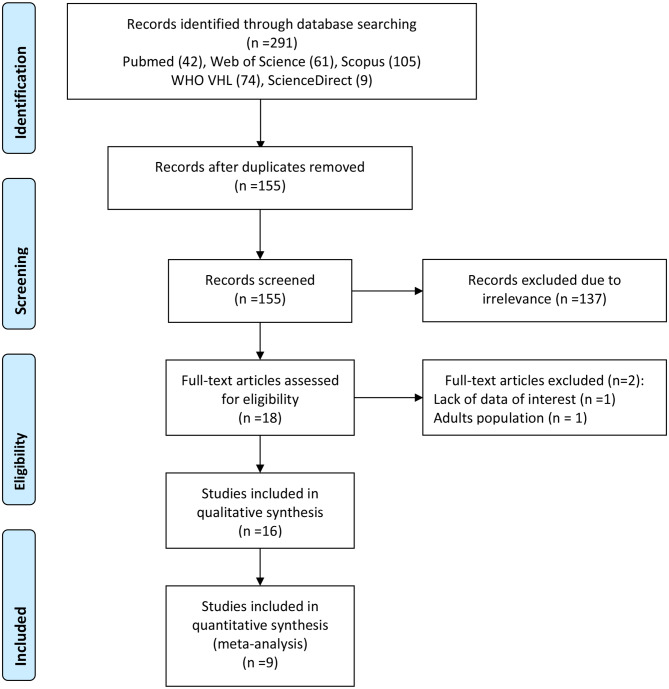
Methods: We conducted a systematic review and meta-analysis of studies reporting NGAL levels in SSNS and SRNS, based on the PRISMA guidelines. A comprehensive literature search was conducted using PubMed, Scopus, Web of Science, ScienceDirect, and the WHO Virtual Health Library Regional. The statistical analysis was performed using a random-effects model to estimate the standardized mean difference (SMD) with a 95% confidence interval.
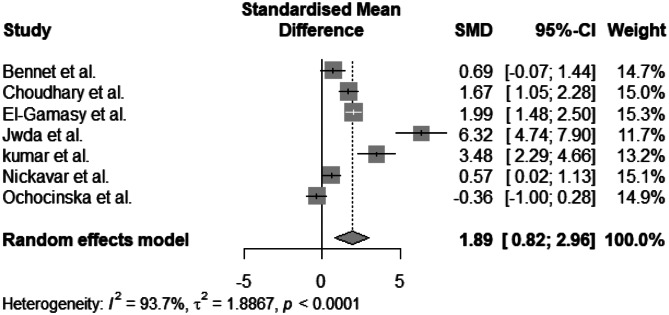
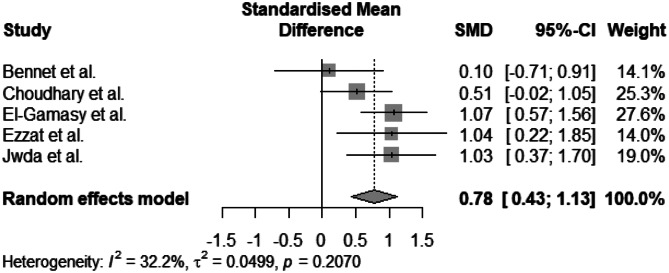
Results: A total of 16 studies were included. Meta-analyses revealed significantly higher urinary NGAL levels in both SSNS and SRNS patients compared to healthy controls. Urinary NGAL levels were significantly higher in SSNS and SRNS patients compared to healthy controls, with SMD = 0.78 (95% CI: 0.434-1.128, P < .001) and SMD = 2.56 (95% CI: 1.152-3.971, P < .001), respectively. Patients with SRNS had markedly higher urinary NGAL levels than those with SSNS (SMD = 1.889, 95% CI: 0.819-2.959, P < .001). ROC analyses across several studies demonstrated moderate to strong discriminative ability of urinary NGAL in distinguishing between SRNS and SSNS.
Conclusion: Urinary NGAL demonstrated strong potential as a non-invasive biomarker for distinguishing between SRNS and SSNS, supporting its clinical utility in early diagnosis, risk stratification, and management.
期刊介绍:
BMC Nephrology is an open access journal publishing original peer-reviewed research articles in all aspects of the prevention, diagnosis and management of kidney and associated disorders, as well as related molecular genetics, pathophysiology, and epidemiology.

 求助内容:
求助内容: 应助结果提醒方式:

 京公网安备 11010802042870号

