Claudia Gili, Daniele Canestrelli, Eva Salvati, Graziano Fiorito, Adriana Federica Cerizza, Paola Cirino, Fanny Mille, Luigi Musco, Giovanni De Martino, Antonino Pace, Luciano Bosso, Raffaele Panzuto
{"title":"伦理、法律和研究:以地中海海马为例(海马体和海马体)","authors":"Claudia Gili, Daniele Canestrelli, Eva Salvati, Graziano Fiorito, Adriana Federica Cerizza, Paola Cirino, Fanny Mille, Luigi Musco, Giovanni De Martino, Antonino Pace, Luciano Bosso, Raffaele Panzuto","doi":"10.1111/raq.70072","DOIUrl":null,"url":null,"abstract":"<p>Conservation projects seek to protect species, restore habitats, and mitigate threats such as habitat loss, climate change, and unsustainable resource use. These projects often rely on acquiring ecological data from the wild to support biodiversity management and promote resilience through informed management decisions. Animal use is usually crucial for investigating ecosystem dynamics, species ecology, and management strategies amidst growing human pressures. Field research in natural habitats, along with captive breeding programs, remains fundamental in addressing complex global ecological challenges in this sense. Projects involving live animals provide critical insights into practical management; however, ethical considerations become central, particularly for protected species, necessitating research protocols that prioritize animal welfare while balancing scientific objectives. Nevertheless, animal research presents ethical, legal, and practical challenges, and traditional laboratory systems “might not fit all” species. This paper explores conservation research projects on marine fish from legislative and practical perspectives by looking at current norms, animal welfare aspects, and conservation outcomes. The two iconic Mediterranean species, <i>Hippocampus hippocampus</i> and <i>Hippocampus guttulatus,</i> are analyzed as model examples to produce best practice indications and provide researchers with a practical path to outline scientific project design in marine conservation studies.</p>","PeriodicalId":227,"journal":{"name":"Reviews in Aquaculture","volume":"17 4","pages":""},"PeriodicalIF":11.3000,"publicationDate":"2025-08-03","publicationTypes":"Journal Article","fieldsOfStudy":null,"isOpenAccess":false,"openAccessPdf":"https://onlinelibrary.wiley.com/doi/epdf/10.1111/raq.70072","citationCount":"0","resultStr":"{\"title\":\"Ethics, Laws, and Research: The Case of Mediterranean Seahorses (Hippocampus hippocampus and Hippocampus guttulatus)\",\"authors\":\"Claudia Gili, Daniele Canestrelli, Eva Salvati, Graziano Fiorito, Adriana Federica Cerizza, Paola Cirino, Fanny Mille, Luigi Musco, Giovanni De Martino, Antonino Pace, Luciano Bosso, Raffaele Panzuto\",\"doi\":\"10.1111/raq.70072\",\"DOIUrl\":null,\"url\":null,\"abstract\":\"<p>Conservation projects seek to protect species, restore habitats, and mitigate threats such as habitat loss, climate change, and unsustainable resource use. These projects often rely on acquiring ecological data from the wild to support biodiversity management and promote resilience through informed management decisions. Animal use is usually crucial for investigating ecosystem dynamics, species ecology, and management strategies amidst growing human pressures. Field research in natural habitats, along with captive breeding programs, remains fundamental in addressing complex global ecological challenges in this sense. Projects involving live animals provide critical insights into practical management; however, ethical considerations become central, particularly for protected species, necessitating research protocols that prioritize animal welfare while balancing scientific objectives. Nevertheless, animal research presents ethical, legal, and practical challenges, and traditional laboratory systems “might not fit all” species. This paper explores conservation research projects on marine fish from legislative and practical perspectives by looking at current norms, animal welfare aspects, and conservation outcomes. The two iconic Mediterranean species, <i>Hippocampus hippocampus</i> and <i>Hippocampus guttulatus,</i> are analyzed as model examples to produce best practice indications and provide researchers with a practical path to outline scientific project design in marine conservation studies.</p>\",\"PeriodicalId\":227,\"journal\":{\"name\":\"Reviews in Aquaculture\",\"volume\":\"17 4\",\"pages\":\"\"},\"PeriodicalIF\":11.3000,\"publicationDate\":\"2025-08-03\",\"publicationTypes\":\"Journal Article\",\"fieldsOfStudy\":null,\"isOpenAccess\":false,\"openAccessPdf\":\"https://onlinelibrary.wiley.com/doi/epdf/10.1111/raq.70072\",\"citationCount\":\"0\",\"resultStr\":null,\"platform\":\"Semanticscholar\",\"paperid\":null,\"PeriodicalName\":\"Reviews in Aquaculture\",\"FirstCategoryId\":\"97\",\"ListUrlMain\":\"https://onlinelibrary.wiley.com/doi/10.1111/raq.70072\",\"RegionNum\":1,\"RegionCategory\":\"农林科学\",\"ArticlePicture\":[],\"TitleCN\":null,\"AbstractTextCN\":null,\"PMCID\":null,\"EPubDate\":\"\",\"PubModel\":\"\",\"JCR\":\"Q1\",\"JCRName\":\"FISHERIES\",\"Score\":null,\"Total\":0}","platform":"Semanticscholar","paperid":null,"PeriodicalName":"Reviews in Aquaculture","FirstCategoryId":"97","ListUrlMain":"https://onlinelibrary.wiley.com/doi/10.1111/raq.70072","RegionNum":1,"RegionCategory":"农林科学","ArticlePicture":[],"TitleCN":null,"AbstractTextCN":null,"PMCID":null,"EPubDate":"","PubModel":"","JCR":"Q1","JCRName":"FISHERIES","Score":null,"Total":0}
Ethics, Laws, and Research: The Case of Mediterranean Seahorses (Hippocampus hippocampus and Hippocampus guttulatus)
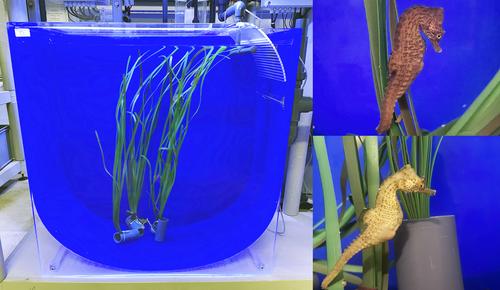
Conservation projects seek to protect species, restore habitats, and mitigate threats such as habitat loss, climate change, and unsustainable resource use. These projects often rely on acquiring ecological data from the wild to support biodiversity management and promote resilience through informed management decisions. Animal use is usually crucial for investigating ecosystem dynamics, species ecology, and management strategies amidst growing human pressures. Field research in natural habitats, along with captive breeding programs, remains fundamental in addressing complex global ecological challenges in this sense. Projects involving live animals provide critical insights into practical management; however, ethical considerations become central, particularly for protected species, necessitating research protocols that prioritize animal welfare while balancing scientific objectives. Nevertheless, animal research presents ethical, legal, and practical challenges, and traditional laboratory systems “might not fit all” species. This paper explores conservation research projects on marine fish from legislative and practical perspectives by looking at current norms, animal welfare aspects, and conservation outcomes. The two iconic Mediterranean species, Hippocampus hippocampus and Hippocampus guttulatus, are analyzed as model examples to produce best practice indications and provide researchers with a practical path to outline scientific project design in marine conservation studies.
期刊介绍:
Reviews in Aquaculture is a journal that aims to provide a platform for reviews on various aspects of aquaculture science, techniques, policies, and planning. The journal publishes fully peer-reviewed review articles on topics including global, regional, and national production and market trends in aquaculture, advancements in aquaculture practices and technology, interactions between aquaculture and the environment, indigenous and alien species in aquaculture, genetics and its relation to aquaculture, as well as aquaculture product quality and traceability. The journal is indexed and abstracted in several databases including AgBiotech News & Information (CABI), AgBiotechNet, Agricultural Engineering Abstracts, Environment Index (EBSCO Publishing), SCOPUS (Elsevier), and Web of Science (Clarivate Analytics) among others.

 求助内容:
求助内容: 应助结果提醒方式:

 京公网安备 11010802042870号

