{"title":"钠-葡萄糖共转运蛋白2抑制剂改善糖尿病肾病近端小管中谷胱甘肽半胱氨酸连接酶修饰物介导的氧化应激和随后的铁下垂。","authors":"Yi-Chun Tsai, Jiun-Chi Huang, Ping-Shaou Yu, Mei-Chuan Kuo, Ling-Yu Wu, Wei-An Chang, Shang-Jyh Hwang, Ya-Ling Hsu","doi":"10.1080/13510002.2025.2528334","DOIUrl":null,"url":null,"abstract":"<p><strong>Objectives: </strong>Diabetic kidney disease (DKD) is a major cause of end-stage kidney disease. The precise molecular mechanism of ferroptosis, an iron-dependent and non-apoptotic form of regulated cell death, remains poorly understood in DKD, as does the impact of sodium-glucose cotransporter 2 inhibitors (SGLT2i) on ferroptosis-mediated DKD.</p><p><strong>Methods: </strong>This study used bulk RNA sequencing, in vitro and in vivo models, and human kidney samples to explore the molecular mechanisms involved in oxidative stress and ferroptosis in the proximal tubule (PT) of DKD.</p><p><strong>Results: </strong>High glucose (HG) induced features of ferroptosis in HK-2 cells. Transcriptome analysis of primary PT cells from diabetic patients indicated that glutathione cysteine ligase modifier (GCLM) subunit is involved in ferroptosis. Immunohistochemical staining revealed that db/db mice and diabetic patients had lower glutathione peroxidase 4 and GCLM expression in the PT. Suppression of GCLM enhanced ferroptosis, whereas GCLM overexpression mitigated HG-induced ferroptosis in HK-2 cells. Antioxidants reduced oxidative stress and ferroptosis in both in vitro and in vivo models of DKD. Furthermore, SGLT2i attenuated PT ferroptosis in these models and improved DKD by increasing GCLM expression.</p><p><strong>Conclusion: </strong>SGLT2i reduced ferroptosis in PT by boosting GCLM expression, thereby slowing DKD progression, revealing that GCLM has the potential against DKD.</p>","PeriodicalId":21096,"journal":{"name":"Redox Report","volume":"30 1","pages":"2528334"},"PeriodicalIF":7.4000,"publicationDate":"2025-12-01","publicationTypes":"Journal Article","fieldsOfStudy":null,"isOpenAccess":false,"openAccessPdf":"https://www.ncbi.nlm.nih.gov/pmc/articles/PMC12308872/pdf/","citationCount":"0","resultStr":"{\"title\":\"Sodium-glucose cotransporter 2 inhibitors ameliorate glutathione cysteine ligase modifier-mediated oxidative stress and subsequent ferroptosis in proximal tubules of diabetic kidney disease.\",\"authors\":\"Yi-Chun Tsai, Jiun-Chi Huang, Ping-Shaou Yu, Mei-Chuan Kuo, Ling-Yu Wu, Wei-An Chang, Shang-Jyh Hwang, Ya-Ling Hsu\",\"doi\":\"10.1080/13510002.2025.2528334\",\"DOIUrl\":null,\"url\":null,\"abstract\":\"<p><strong>Objectives: </strong>Diabetic kidney disease (DKD) is a major cause of end-stage kidney disease. The precise molecular mechanism of ferroptosis, an iron-dependent and non-apoptotic form of regulated cell death, remains poorly understood in DKD, as does the impact of sodium-glucose cotransporter 2 inhibitors (SGLT2i) on ferroptosis-mediated DKD.</p><p><strong>Methods: </strong>This study used bulk RNA sequencing, in vitro and in vivo models, and human kidney samples to explore the molecular mechanisms involved in oxidative stress and ferroptosis in the proximal tubule (PT) of DKD.</p><p><strong>Results: </strong>High glucose (HG) induced features of ferroptosis in HK-2 cells. Transcriptome analysis of primary PT cells from diabetic patients indicated that glutathione cysteine ligase modifier (GCLM) subunit is involved in ferroptosis. Immunohistochemical staining revealed that db/db mice and diabetic patients had lower glutathione peroxidase 4 and GCLM expression in the PT. Suppression of GCLM enhanced ferroptosis, whereas GCLM overexpression mitigated HG-induced ferroptosis in HK-2 cells. Antioxidants reduced oxidative stress and ferroptosis in both in vitro and in vivo models of DKD. Furthermore, SGLT2i attenuated PT ferroptosis in these models and improved DKD by increasing GCLM expression.</p><p><strong>Conclusion: </strong>SGLT2i reduced ferroptosis in PT by boosting GCLM expression, thereby slowing DKD progression, revealing that GCLM has the potential against DKD.</p>\",\"PeriodicalId\":21096,\"journal\":{\"name\":\"Redox Report\",\"volume\":\"30 1\",\"pages\":\"2528334\"},\"PeriodicalIF\":7.4000,\"publicationDate\":\"2025-12-01\",\"publicationTypes\":\"Journal Article\",\"fieldsOfStudy\":null,\"isOpenAccess\":false,\"openAccessPdf\":\"https://www.ncbi.nlm.nih.gov/pmc/articles/PMC12308872/pdf/\",\"citationCount\":\"0\",\"resultStr\":null,\"platform\":\"Semanticscholar\",\"paperid\":null,\"PeriodicalName\":\"Redox Report\",\"FirstCategoryId\":\"99\",\"ListUrlMain\":\"https://doi.org/10.1080/13510002.2025.2528334\",\"RegionNum\":2,\"RegionCategory\":\"生物学\",\"ArticlePicture\":[],\"TitleCN\":null,\"AbstractTextCN\":null,\"PMCID\":null,\"EPubDate\":\"2025/7/28 0:00:00\",\"PubModel\":\"Epub\",\"JCR\":\"Q1\",\"JCRName\":\"BIOCHEMISTRY & MOLECULAR BIOLOGY\",\"Score\":null,\"Total\":0}","platform":"Semanticscholar","paperid":null,"PeriodicalName":"Redox Report","FirstCategoryId":"99","ListUrlMain":"https://doi.org/10.1080/13510002.2025.2528334","RegionNum":2,"RegionCategory":"生物学","ArticlePicture":[],"TitleCN":null,"AbstractTextCN":null,"PMCID":null,"EPubDate":"2025/7/28 0:00:00","PubModel":"Epub","JCR":"Q1","JCRName":"BIOCHEMISTRY & MOLECULAR BIOLOGY","Score":null,"Total":0}
Sodium-glucose cotransporter 2 inhibitors ameliorate glutathione cysteine ligase modifier-mediated oxidative stress and subsequent ferroptosis in proximal tubules of diabetic kidney disease.
Objectives: Diabetic kidney disease (DKD) is a major cause of end-stage kidney disease. The precise molecular mechanism of ferroptosis, an iron-dependent and non-apoptotic form of regulated cell death, remains poorly understood in DKD, as does the impact of sodium-glucose cotransporter 2 inhibitors (SGLT2i) on ferroptosis-mediated DKD.
Methods: This study used bulk RNA sequencing, in vitro and in vivo models, and human kidney samples to explore the molecular mechanisms involved in oxidative stress and ferroptosis in the proximal tubule (PT) of DKD.
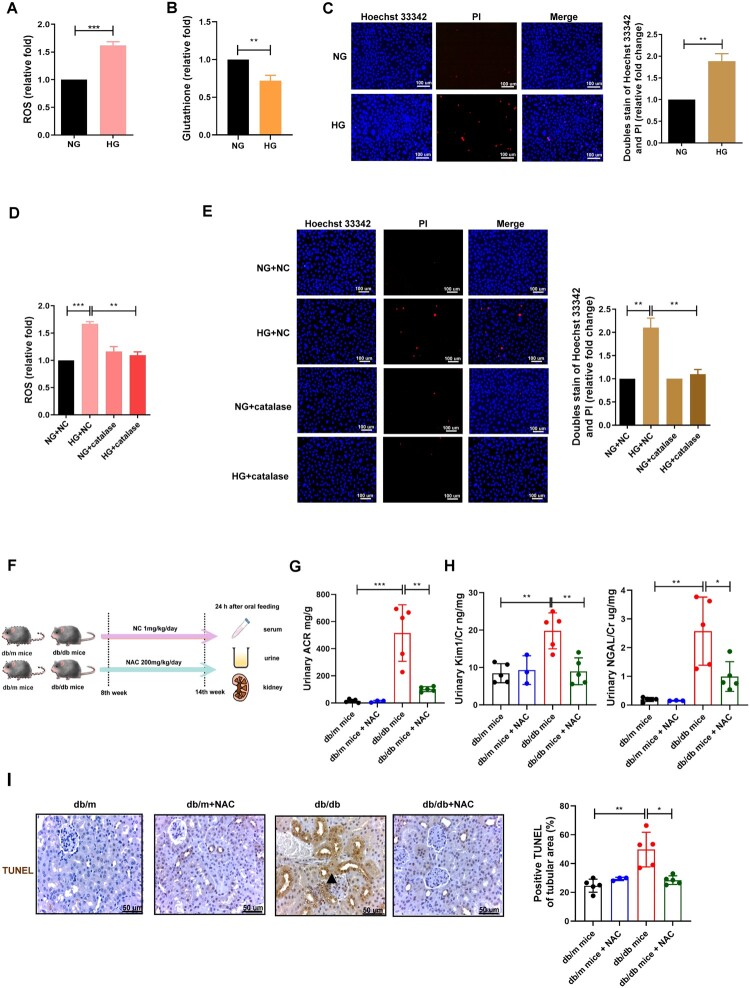
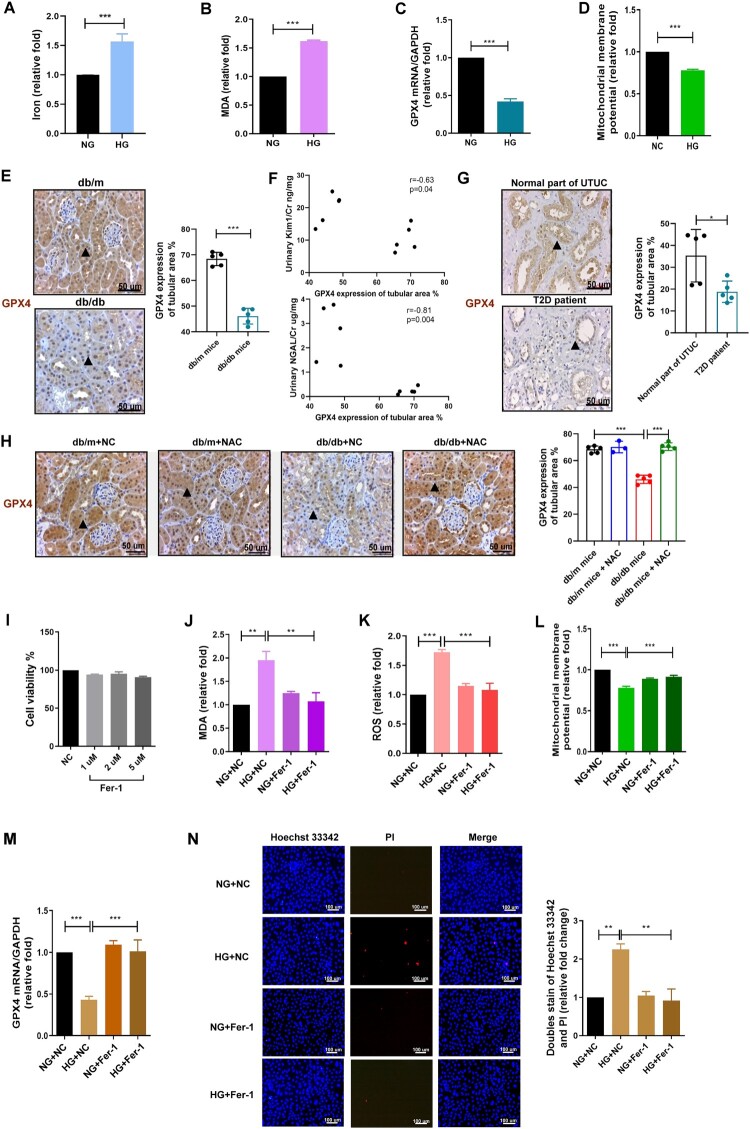
Results: High glucose (HG) induced features of ferroptosis in HK-2 cells. Transcriptome analysis of primary PT cells from diabetic patients indicated that glutathione cysteine ligase modifier (GCLM) subunit is involved in ferroptosis. Immunohistochemical staining revealed that db/db mice and diabetic patients had lower glutathione peroxidase 4 and GCLM expression in the PT. Suppression of GCLM enhanced ferroptosis, whereas GCLM overexpression mitigated HG-induced ferroptosis in HK-2 cells. Antioxidants reduced oxidative stress and ferroptosis in both in vitro and in vivo models of DKD. Furthermore, SGLT2i attenuated PT ferroptosis in these models and improved DKD by increasing GCLM expression.
Conclusion: SGLT2i reduced ferroptosis in PT by boosting GCLM expression, thereby slowing DKD progression, revealing that GCLM has the potential against DKD.
期刊介绍:
Redox Report is a multidisciplinary peer-reviewed open access journal focusing on the role of free radicals, oxidative stress, activated oxygen, perioxidative and redox processes, primarily in the human environment and human pathology. Relevant papers on the animal and plant environment, biology and pathology will also be included.
While emphasis is placed upon methodological and intellectual advances underpinned by new data, the journal offers scope for review, hypotheses, critiques and other forms of discussion.

 求助内容:
求助内容: 应助结果提醒方式:

 京公网安备 11010802042870号

