John L Havlik, Taeho Greg Rhee, Robert A Rosenheck
{"title":"单独创伤和创伤后应激障碍的成年人睡眠时间受损的相关性","authors":"John L Havlik, Taeho Greg Rhee, Robert A Rosenheck","doi":"10.1037/tra0001846","DOIUrl":null,"url":null,"abstract":"<p><strong>Objective: </strong>To elucidate the relationship between impaired sleep duration and trauma/posttraumatic stress disorder (PTSD) net of sociodemographic, behavioral, and comorbid diagnostic factors.</p><p><strong>Method: </strong>We investigated this relationship using the National Epidemiologic Survey on Alcohol and Related Conditions-III data set, analyzing a nationally representative sample of 36,309 adults. Our study identified three groups: those without trauma/PTSD, those with trauma but no PTSD, and those with PTSD. We examined the relationship of impaired sleep duration and trauma/PTSD net of demographic, diagnostic, and behavioral factors in these groups.</p><p><strong>Results: </strong>Significant differences were observed among the groups across many sociodemographic and behavioral variables. Compared to those without trauma or PTSD, higher odds of reporting impaired sleep duration were observed among those with trauma (odds ratio = 1.38, 95% confidence interval [1.30, -1.47]) and especially those with PTSD (odds ratio = 2.54, confidence interval [2.22, -2.91]). Adjusted multivariable regression revealed attenuated but still significant associations between trauma/PTSD and impaired sleep duration, with PTSD showing a small effect size (> 1.5) on odds of impaired sleep duration and trauma alone showing a less than clinically meaningful effect size (< 1.5 but > 1). Recursive feature elimination identified key predictors of impaired sleep duration, including age, body mass index, race/ethnicity, psychiatric multimorbidity, chronic pain, and medical comorbidity.</p><p><strong>Conclusions: </strong>Impaired sleep duration among individuals with trauma/PTSD is highly multifactorial. While trauma and PTSD contribute to sleep disturbances, other factors such as psychiatric and medical comorbidities play significant roles; impaired sleep in trauma/PTSD may be better understood through the lens of allostatic load. Addressing these comorbid factors alongside trauma/PTSD may improve treatment outcomes. (PsycInfo Database Record (c) 2026 APA, all rights reserved).</p>","PeriodicalId":20982,"journal":{"name":"Psychological trauma : theory, research, practice and policy","volume":" ","pages":"1544-1553"},"PeriodicalIF":2.8000,"publicationDate":"2026-10-01","publicationTypes":"Journal Article","fieldsOfStudy":null,"isOpenAccess":false,"openAccessPdf":"","citationCount":"0","resultStr":"{\"title\":\"Correlates of impaired sleep duration among adults with trauma alone and with posttraumatic stress disorder.\",\"authors\":\"John L Havlik, Taeho Greg Rhee, Robert A Rosenheck\",\"doi\":\"10.1037/tra0001846\",\"DOIUrl\":null,\"url\":null,\"abstract\":\"<p><strong>Objective: </strong>To elucidate the relationship between impaired sleep duration and trauma/posttraumatic stress disorder (PTSD) net of sociodemographic, behavioral, and comorbid diagnostic factors.</p><p><strong>Method: </strong>We investigated this relationship using the National Epidemiologic Survey on Alcohol and Related Conditions-III data set, analyzing a nationally representative sample of 36,309 adults. Our study identified three groups: those without trauma/PTSD, those with trauma but no PTSD, and those with PTSD. We examined the relationship of impaired sleep duration and trauma/PTSD net of demographic, diagnostic, and behavioral factors in these groups.</p><p><strong>Results: </strong>Significant differences were observed among the groups across many sociodemographic and behavioral variables. Compared to those without trauma or PTSD, higher odds of reporting impaired sleep duration were observed among those with trauma (odds ratio = 1.38, 95% confidence interval [1.30, -1.47]) and especially those with PTSD (odds ratio = 2.54, confidence interval [2.22, -2.91]). Adjusted multivariable regression revealed attenuated but still significant associations between trauma/PTSD and impaired sleep duration, with PTSD showing a small effect size (> 1.5) on odds of impaired sleep duration and trauma alone showing a less than clinically meaningful effect size (< 1.5 but > 1). Recursive feature elimination identified key predictors of impaired sleep duration, including age, body mass index, race/ethnicity, psychiatric multimorbidity, chronic pain, and medical comorbidity.</p><p><strong>Conclusions: </strong>Impaired sleep duration among individuals with trauma/PTSD is highly multifactorial. While trauma and PTSD contribute to sleep disturbances, other factors such as psychiatric and medical comorbidities play significant roles; impaired sleep in trauma/PTSD may be better understood through the lens of allostatic load. Addressing these comorbid factors alongside trauma/PTSD may improve treatment outcomes. (PsycInfo Database Record (c) 2026 APA, all rights reserved).</p>\",\"PeriodicalId\":20982,\"journal\":{\"name\":\"Psychological trauma : theory, research, practice and policy\",\"volume\":\" \",\"pages\":\"1544-1553\"},\"PeriodicalIF\":2.8000,\"publicationDate\":\"2026-10-01\",\"publicationTypes\":\"Journal Article\",\"fieldsOfStudy\":null,\"isOpenAccess\":false,\"openAccessPdf\":\"\",\"citationCount\":\"0\",\"resultStr\":null,\"platform\":\"Semanticscholar\",\"paperid\":null,\"PeriodicalName\":\"Psychological trauma : theory, research, practice and policy\",\"FirstCategoryId\":\"102\",\"ListUrlMain\":\"https://doi.org/10.1037/tra0001846\",\"RegionNum\":2,\"RegionCategory\":\"心理学\",\"ArticlePicture\":[],\"TitleCN\":null,\"AbstractTextCN\":null,\"PMCID\":null,\"EPubDate\":\"2025/1/20 0:00:00\",\"PubModel\":\"Epub\",\"JCR\":\"Q2\",\"JCRName\":\"PSYCHIATRY\",\"Score\":null,\"Total\":0}","platform":"Semanticscholar","paperid":null,"PeriodicalName":"Psychological trauma : theory, research, practice and policy","FirstCategoryId":"102","ListUrlMain":"https://doi.org/10.1037/tra0001846","RegionNum":2,"RegionCategory":"心理学","ArticlePicture":[],"TitleCN":null,"AbstractTextCN":null,"PMCID":null,"EPubDate":"2025/1/20 0:00:00","PubModel":"Epub","JCR":"Q2","JCRName":"PSYCHIATRY","Score":null,"Total":0}
引用次数: 0
摘要
目的:探讨睡眠不足与创伤/创伤后应激障碍(PTSD)的社会人口学、行为学和合并症诊断因素之间的关系。方法:我们使用全国酒精及相关疾病流行病学调查iii数据集来调查这种关系,分析了全国代表性的36,309名成年人样本。我们的研究分为三组:没有创伤/创伤后应激障碍的人,有创伤但没有创伤后应激障碍的人,以及有创伤后应激障碍的人。我们研究了这些群体中受损睡眠时间与创伤/创伤后应激障碍网络的人口学、诊断和行为因素的关系。结果:在许多社会人口学和行为变量中观察到组间的显著差异。与没有创伤或PTSD的患者相比,有创伤的患者报告睡眠时间受损的几率更高(优势比= 1.38,95%可信区间[1.30,-1.47]),尤其是PTSD患者(优势比= 2.54,可信区间[2.22,-2.91])。调整后的多变量回归显示创伤/创伤后应激障碍与睡眠持续时间受损之间的关联减弱但仍显着,其中创伤后应激障碍对睡眠持续时间受损的影响较小(>.5),创伤本身对睡眠持续时间受损的影响小于临床意义(< 1.5,但> 1)。递归特征消除确定了睡眠持续时间受损的关键预测因素,包括年龄、体重指数、种族/民族、精神疾病、慢性疼痛、以及医疗并发症。结论:创伤/创伤后应激障碍患者的睡眠时间受损是高度多因素的。虽然创伤和创伤后应激障碍会导致睡眠障碍,但其他因素,如精神和医学合并症也起着重要作用;创伤/创伤后应激障碍的睡眠受损可能通过适应负荷的角度得到更好的理解。解决这些共病因素与创伤/创伤后应激障碍可能改善治疗效果。(PsycInfo Database Record (c) 2025 APA,版权所有)。
Correlates of impaired sleep duration among adults with trauma alone and with posttraumatic stress disorder.
Objective: To elucidate the relationship between impaired sleep duration and trauma/posttraumatic stress disorder (PTSD) net of sociodemographic, behavioral, and comorbid diagnostic factors.
Method: We investigated this relationship using the National Epidemiologic Survey on Alcohol and Related Conditions-III data set, analyzing a nationally representative sample of 36,309 adults. Our study identified three groups: those without trauma/PTSD, those with trauma but no PTSD, and those with PTSD. We examined the relationship of impaired sleep duration and trauma/PTSD net of demographic, diagnostic, and behavioral factors in these groups.
Results: Significant differences were observed among the groups across many sociodemographic and behavioral variables. Compared to those without trauma or PTSD, higher odds of reporting impaired sleep duration were observed among those with trauma (odds ratio = 1.38, 95% confidence interval [1.30, -1.47]) and especially those with PTSD (odds ratio = 2.54, confidence interval [2.22, -2.91]). Adjusted multivariable regression revealed attenuated but still significant associations between trauma/PTSD and impaired sleep duration, with PTSD showing a small effect size (> 1.5) on odds of impaired sleep duration and trauma alone showing a less than clinically meaningful effect size (< 1.5 but > 1). Recursive feature elimination identified key predictors of impaired sleep duration, including age, body mass index, race/ethnicity, psychiatric multimorbidity, chronic pain, and medical comorbidity.
Conclusions: Impaired sleep duration among individuals with trauma/PTSD is highly multifactorial. While trauma and PTSD contribute to sleep disturbances, other factors such as psychiatric and medical comorbidities play significant roles; impaired sleep in trauma/PTSD may be better understood through the lens of allostatic load. Addressing these comorbid factors alongside trauma/PTSD may improve treatment outcomes. (PsycInfo Database Record (c) 2026 APA, all rights reserved).
期刊介绍:
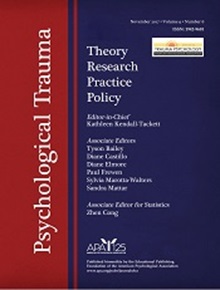
Psychological Trauma: Theory, Research, Practice, and Policy publishes empirical research on the psychological effects of trauma. The journal is intended to be a forum for an interdisciplinary discussion on trauma, blending science, theory, practice, and policy.
The journal publishes empirical research on a wide range of trauma-related topics, including:
-Psychological treatments and effects
-Promotion of education about effects of and treatment for trauma
-Assessment and diagnosis of trauma
-Pathophysiology of trauma reactions
-Health services (delivery of services to trauma populations)
-Epidemiological studies and risk factor studies
-Neuroimaging studies
-Trauma and cultural competence

 求助内容:
 应助结果提醒方式:


 京公网安备 11010802042870号


