Viljem Vek, Tamás Hofmann, Eszter Visiné Rajczi, Urša Osolnik, Ida Poljanšek, Primož Oven
{"title":"加速提取和超声处理对湿心银杉(Abies alba Mill.)木材和树皮提取物抗氧化能力的影响","authors":"Viljem Vek, Tamás Hofmann, Eszter Visiné Rajczi, Urša Osolnik, Ida Poljanšek, Primož Oven","doi":"10.1007/s00107-024-02102-1","DOIUrl":null,"url":null,"abstract":"<div><p>The aim of this study was to compare the antioxidant capacity of hydrophilic extracts of different tissues of wet-hearted silver fir (<i>Abies alba</i> Mill.) logs. Wet heart is a wood defect of silver fir and lowers the value of wood. The exploitation of extractives could increase utilization and financial returns. The bark, sapwood, heartwood and knotwood were investigated by using two green extraction methods: ultrasound assisted extraction (US) and accelerated solvent extraction (ASE), with aqueous ethanol as solvent. Total extractive content (TEC), total polyphenol content (TPC) and antioxidant capacities (FRAP, DPPH, ABTS) from the extracts were determined and compared. The highest contents of total hydrophilic extractives were measured in knotwood (23.07%, ASE) and bark (10.31%, ASE), and the lowest values were determined for sapwood (2.00%, ASE) and heartwood (3.56%, ASE). The ASE method resulted in significantly higher TPC (0.65–10.58%) than the US (0.46–9.19%) method. Nevertheless, the simplicity of instrumentation and costs can make US also a potential candidate for future extraction and utilization. The highest antioxidant capacities were measured in knotwood (FRAP: 159.75 mg AAE/g, ABTS: 316.15 mg TE/g, DPPH: 189.23 mg TE/g) and bark (FRAP: 159.75 mg AAE/g, ABTS: 126.81 mg TE/g, DPPH: 74.52 mg TE/ g) extracts, prepared with ASE, which complements well the existing literature data on silver fir extractives. The knotwood and bark of wet-hearted silver fir is an abundant source of antioxidant polyphenols, whereas sapwood and heartwood are poor in these extractives and potentially unsuitable for the valorization by the extraction of natural antioxidants.</p></div>","PeriodicalId":550,"journal":{"name":"European Journal of Wood and Wood Products","volume":"82 5","pages":"1479 - 1490"},"PeriodicalIF":2.5000,"publicationDate":"2024-06-14","publicationTypes":"Journal Article","fieldsOfStudy":null,"isOpenAccess":false,"openAccessPdf":"https://link.springer.com/content/pdf/10.1007/s00107-024-02102-1.pdf","citationCount":"0","resultStr":"{\"title\":\"Effect of accelerated extraction and sonication on the antioxidant capacity of wood and bark extracts of wet-hearted silver fir (Abies alba Mill.)\",\"authors\":\"Viljem Vek, Tamás Hofmann, Eszter Visiné Rajczi, Urša Osolnik, Ida Poljanšek, Primož Oven\",\"doi\":\"10.1007/s00107-024-02102-1\",\"DOIUrl\":null,\"url\":null,\"abstract\":\"<div><p>The aim of this study was to compare the antioxidant capacity of hydrophilic extracts of different tissues of wet-hearted silver fir (<i>Abies alba</i> Mill.) logs. Wet heart is a wood defect of silver fir and lowers the value of wood. The exploitation of extractives could increase utilization and financial returns. The bark, sapwood, heartwood and knotwood were investigated by using two green extraction methods: ultrasound assisted extraction (US) and accelerated solvent extraction (ASE), with aqueous ethanol as solvent. Total extractive content (TEC), total polyphenol content (TPC) and antioxidant capacities (FRAP, DPPH, ABTS) from the extracts were determined and compared. The highest contents of total hydrophilic extractives were measured in knotwood (23.07%, ASE) and bark (10.31%, ASE), and the lowest values were determined for sapwood (2.00%, ASE) and heartwood (3.56%, ASE). The ASE method resulted in significantly higher TPC (0.65–10.58%) than the US (0.46–9.19%) method. Nevertheless, the simplicity of instrumentation and costs can make US also a potential candidate for future extraction and utilization. The highest antioxidant capacities were measured in knotwood (FRAP: 159.75 mg AAE/g, ABTS: 316.15 mg TE/g, DPPH: 189.23 mg TE/g) and bark (FRAP: 159.75 mg AAE/g, ABTS: 126.81 mg TE/g, DPPH: 74.52 mg TE/ g) extracts, prepared with ASE, which complements well the existing literature data on silver fir extractives. The knotwood and bark of wet-hearted silver fir is an abundant source of antioxidant polyphenols, whereas sapwood and heartwood are poor in these extractives and potentially unsuitable for the valorization by the extraction of natural antioxidants.</p></div>\",\"PeriodicalId\":550,\"journal\":{\"name\":\"European Journal of Wood and Wood Products\",\"volume\":\"82 5\",\"pages\":\"1479 - 1490\"},\"PeriodicalIF\":2.5000,\"publicationDate\":\"2024-06-14\",\"publicationTypes\":\"Journal Article\",\"fieldsOfStudy\":null,\"isOpenAccess\":false,\"openAccessPdf\":\"https://link.springer.com/content/pdf/10.1007/s00107-024-02102-1.pdf\",\"citationCount\":\"0\",\"resultStr\":null,\"platform\":\"Semanticscholar\",\"paperid\":null,\"PeriodicalName\":\"European Journal of Wood and Wood Products\",\"FirstCategoryId\":\"88\",\"ListUrlMain\":\"https://link.springer.com/article/10.1007/s00107-024-02102-1\",\"RegionNum\":3,\"RegionCategory\":\"农林科学\",\"ArticlePicture\":[],\"TitleCN\":null,\"AbstractTextCN\":null,\"PMCID\":null,\"EPubDate\":\"\",\"PubModel\":\"\",\"JCR\":\"Q1\",\"JCRName\":\"FORESTRY\",\"Score\":null,\"Total\":0}","platform":"Semanticscholar","paperid":null,"PeriodicalName":"European Journal of Wood and Wood Products","FirstCategoryId":"88","ListUrlMain":"https://link.springer.com/article/10.1007/s00107-024-02102-1","RegionNum":3,"RegionCategory":"农林科学","ArticlePicture":[],"TitleCN":null,"AbstractTextCN":null,"PMCID":null,"EPubDate":"","PubModel":"","JCR":"Q1","JCRName":"FORESTRY","Score":null,"Total":0}
引用次数: 0
摘要
本研究旨在比较湿心银冷杉(Abies alba Mill.)原木不同组织亲水提取物的抗氧化能力。湿心是银冷杉的一种木材缺陷,会降低木材的价值。提取物的利用可以提高利用率和经济收益。采用两种绿色萃取方法:超声波辅助萃取(US)和加速溶剂萃取(ASE),以乙醇水溶液为溶剂,对树皮、边材、心材和节疤材进行了研究。测定并比较了提取物的总萃取物含量(TEC)、总多酚含量(TPC)和抗氧化能力(FRAP、DPPH、ABTS)。亲水总萃取物含量最高的是节疤材(23.07%,ASE)和树皮(10.31%,ASE),最低的是边材(2.00%,ASE)和心材(3.56%,ASE)。ASE 方法得出的 TPC(0.65-10.58%)明显高于 US 方法(0.46-9.19%)。不过,US 方法仪器简单、成本低,因此也是未来提取和利用的潜在候选方法。用 ASE 制备的节材(FRAP:159.75 毫克 AAE/克,ABTS:316.15 毫克 TE/克,DPPH:189.23 毫克 TE/克)和树皮(FRAP:159.75 毫克 AAE/克,ABTS:126.81 毫克 TE/克,DPPH:74.52 毫克 TE/克)提取物的抗氧化能力最高,这很好地补充了银杉提取物的现有文献数据。湿心银冷杉的节材和树皮是抗氧化剂多酚的丰富来源,而边材和心材的这些提取物含量较低,可能不适合通过提取天然抗氧化剂来进行价值评估。
Effect of accelerated extraction and sonication on the antioxidant capacity of wood and bark extracts of wet-hearted silver fir (Abies alba Mill.)
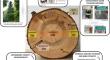
The aim of this study was to compare the antioxidant capacity of hydrophilic extracts of different tissues of wet-hearted silver fir (Abies alba Mill.) logs. Wet heart is a wood defect of silver fir and lowers the value of wood. The exploitation of extractives could increase utilization and financial returns. The bark, sapwood, heartwood and knotwood were investigated by using two green extraction methods: ultrasound assisted extraction (US) and accelerated solvent extraction (ASE), with aqueous ethanol as solvent. Total extractive content (TEC), total polyphenol content (TPC) and antioxidant capacities (FRAP, DPPH, ABTS) from the extracts were determined and compared. The highest contents of total hydrophilic extractives were measured in knotwood (23.07%, ASE) and bark (10.31%, ASE), and the lowest values were determined for sapwood (2.00%, ASE) and heartwood (3.56%, ASE). The ASE method resulted in significantly higher TPC (0.65–10.58%) than the US (0.46–9.19%) method. Nevertheless, the simplicity of instrumentation and costs can make US also a potential candidate for future extraction and utilization. The highest antioxidant capacities were measured in knotwood (FRAP: 159.75 mg AAE/g, ABTS: 316.15 mg TE/g, DPPH: 189.23 mg TE/g) and bark (FRAP: 159.75 mg AAE/g, ABTS: 126.81 mg TE/g, DPPH: 74.52 mg TE/ g) extracts, prepared with ASE, which complements well the existing literature data on silver fir extractives. The knotwood and bark of wet-hearted silver fir is an abundant source of antioxidant polyphenols, whereas sapwood and heartwood are poor in these extractives and potentially unsuitable for the valorization by the extraction of natural antioxidants.
期刊介绍:
European Journal of Wood and Wood Products reports on original research and new developments in the field of wood and wood products and their biological, chemical, physical as well as mechanical and technological properties, processes and uses. Subjects range from roundwood to wood based products, composite materials and structural applications, with related jointing techniques. Moreover, it deals with wood as a chemical raw material, source of energy as well as with inter-disciplinary aspects of environmental assessment and international markets.
European Journal of Wood and Wood Products aims at promoting international scientific communication and transfer of new technologies from research into practice.

 求助内容:
求助内容: 应助结果提醒方式:

 京公网安备 11010802042870号


