{"title":"细胞壁在纳米硒和镉对小麦的相互拮抗作用中的作用及转录组机制","authors":"Xuerong Di, Rui Jing, Xu Qin, Xuefeng Liang, Lin Wang, Yingming Xu, Yuebing Sun, Qingqing Huang","doi":"10.1016/j.jhazmat.2024.134549","DOIUrl":null,"url":null,"abstract":"<div><p>Selenium nanoparticles (SeNPs) has been reported as a beneficial role in alleviating cadmium (Cd) toxicity in plant. However, underlying molecular mechanisms about SeNPs reducing Cd accumulation and alleviating Cd toxicity in wheat are not well understood. A hydroponic culture was performed to evaluate Cd and Se accumulation, cell wall components, oxidative stress and antioxidative system, and transcriptomic response of wheat seedlings after SeNPs addition under Cd stress. Results showed that SeNPs application notably reduced Cd concentration in root and in shoot by 56.9% and 37.3%, respectively. Additionally, SeNPs prompted Cd distribution in root cell wall by 54.7%, and increased lignin, pectin and hemicellulose contents by regulating cell wall biosynthesis and metabolism–related genes. Further, SeNPs alleviated oxidative stress caused by Cd in wheat through signal transduction pathways. We also observed that Cd addition reduced Se accumulation by downregulating the expression level of aquaporin 7. These results indicated that SeNPs alleviated Cd toxicity and reduced Cd accumulation in wheat, which were associated with the synergetic regulation of cell wall biosynthesis pathway, uptake transporters, and antioxidative system via signaling pathways.</p></div>","PeriodicalId":361,"journal":{"name":"Journal of Hazardous Materials","volume":"472 ","pages":"Article 134549"},"PeriodicalIF":10.6000,"publicationDate":"2024-07-05","publicationTypes":"Journal Article","fieldsOfStudy":null,"isOpenAccess":false,"openAccessPdf":"","citationCount":"0","resultStr":"{\"title\":\"The role and transcriptomic mechanism of cell wall in the mutual antagonized effects between selenium nanoparticles and cadmium in wheat\",\"authors\":\"Xuerong Di, Rui Jing, Xu Qin, Xuefeng Liang, Lin Wang, Yingming Xu, Yuebing Sun, Qingqing Huang\",\"doi\":\"10.1016/j.jhazmat.2024.134549\",\"DOIUrl\":null,\"url\":null,\"abstract\":\"<div><p>Selenium nanoparticles (SeNPs) has been reported as a beneficial role in alleviating cadmium (Cd) toxicity in plant. However, underlying molecular mechanisms about SeNPs reducing Cd accumulation and alleviating Cd toxicity in wheat are not well understood. A hydroponic culture was performed to evaluate Cd and Se accumulation, cell wall components, oxidative stress and antioxidative system, and transcriptomic response of wheat seedlings after SeNPs addition under Cd stress. Results showed that SeNPs application notably reduced Cd concentration in root and in shoot by 56.9% and 37.3%, respectively. Additionally, SeNPs prompted Cd distribution in root cell wall by 54.7%, and increased lignin, pectin and hemicellulose contents by regulating cell wall biosynthesis and metabolism–related genes. Further, SeNPs alleviated oxidative stress caused by Cd in wheat through signal transduction pathways. We also observed that Cd addition reduced Se accumulation by downregulating the expression level of aquaporin 7. These results indicated that SeNPs alleviated Cd toxicity and reduced Cd accumulation in wheat, which were associated with the synergetic regulation of cell wall biosynthesis pathway, uptake transporters, and antioxidative system via signaling pathways.</p></div>\",\"PeriodicalId\":361,\"journal\":{\"name\":\"Journal of Hazardous Materials\",\"volume\":\"472 \",\"pages\":\"Article 134549\"},\"PeriodicalIF\":10.6000,\"publicationDate\":\"2024-07-05\",\"publicationTypes\":\"Journal Article\",\"fieldsOfStudy\":null,\"isOpenAccess\":false,\"openAccessPdf\":\"\",\"citationCount\":\"0\",\"resultStr\":null,\"platform\":\"Semanticscholar\",\"paperid\":null,\"PeriodicalName\":\"Journal of Hazardous Materials\",\"FirstCategoryId\":\"93\",\"ListUrlMain\":\"https://www.sciencedirect.com/science/article/pii/S0304389424011282\",\"RegionNum\":1,\"RegionCategory\":\"环境科学与生态学\",\"ArticlePicture\":[],\"TitleCN\":null,\"AbstractTextCN\":null,\"PMCID\":null,\"EPubDate\":\"2024/5/7 0:00:00\",\"PubModel\":\"Epub\",\"JCR\":\"Q1\",\"JCRName\":\"ENGINEERING, ENVIRONMENTAL\",\"Score\":null,\"Total\":0}","platform":"Semanticscholar","paperid":null,"PeriodicalName":"Journal of Hazardous Materials","FirstCategoryId":"93","ListUrlMain":"https://www.sciencedirect.com/science/article/pii/S0304389424011282","RegionNum":1,"RegionCategory":"环境科学与生态学","ArticlePicture":[],"TitleCN":null,"AbstractTextCN":null,"PMCID":null,"EPubDate":"2024/5/7 0:00:00","PubModel":"Epub","JCR":"Q1","JCRName":"ENGINEERING, ENVIRONMENTAL","Score":null,"Total":0}
The role and transcriptomic mechanism of cell wall in the mutual antagonized effects between selenium nanoparticles and cadmium in wheat
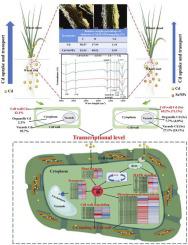
Selenium nanoparticles (SeNPs) has been reported as a beneficial role in alleviating cadmium (Cd) toxicity in plant. However, underlying molecular mechanisms about SeNPs reducing Cd accumulation and alleviating Cd toxicity in wheat are not well understood. A hydroponic culture was performed to evaluate Cd and Se accumulation, cell wall components, oxidative stress and antioxidative system, and transcriptomic response of wheat seedlings after SeNPs addition under Cd stress. Results showed that SeNPs application notably reduced Cd concentration in root and in shoot by 56.9% and 37.3%, respectively. Additionally, SeNPs prompted Cd distribution in root cell wall by 54.7%, and increased lignin, pectin and hemicellulose contents by regulating cell wall biosynthesis and metabolism–related genes. Further, SeNPs alleviated oxidative stress caused by Cd in wheat through signal transduction pathways. We also observed that Cd addition reduced Se accumulation by downregulating the expression level of aquaporin 7. These results indicated that SeNPs alleviated Cd toxicity and reduced Cd accumulation in wheat, which were associated with the synergetic regulation of cell wall biosynthesis pathway, uptake transporters, and antioxidative system via signaling pathways.
期刊介绍:
The Journal of Hazardous Materials serves as a global platform for promoting cutting-edge research in the field of Environmental Science and Engineering. Our publication features a wide range of articles, including full-length research papers, review articles, and perspectives, with the aim of enhancing our understanding of the dangers and risks associated with various materials concerning public health and the environment. It is important to note that the term "environmental contaminants" refers specifically to substances that pose hazardous effects through contamination, while excluding those that do not have such impacts on the environment or human health. Moreover, we emphasize the distinction between wastes and hazardous materials in order to provide further clarity on the scope of the journal. We have a keen interest in exploring specific compounds and microbial agents that have adverse effects on the environment.

 求助内容:
求助内容: 应助结果提醒方式:

 京公网安备 11010802042870号


