
Movement for Peaceful Use of Atomic Energy and the Practice of Technological Utopia in the Early Cold War

Xiang Feng
{"title":"Movement for Peaceful Use of Atomic Energy and the Practice of Technological Utopia in the Early Cold War","authors":"Xiang Feng","doi":"10.3724/j.issn.1674-4969.22030301","DOIUrl":null,"url":null,"abstract":": Focusing on the movement for the peaceful use of atomic energy in the 1950s, this study analyzes the process of shaping, developing, and triggering risks. Additionally, it provides a reflection of the atomic utopia. The collation and analysis of archival reports, memoirs of witnesses, news reports, and relevant comments show the extensive implications of early ideas, technological choices, and interest relations in the field of nuclear application. The Cold War promoted superpowers to use the existing nuclear foundation to shape the atomic utopia, and the national independence movement encouraged other countries to enter the abovementioned utopia using nuclear power to achieve their own strategic objectives. The high energy consumption of modern society, unremitting pursuit of technical efficiency and economies of scale, excessive optimism of humans in managing complex systems and natural phenomena, and balance of interests in political and social fields promoted the emergence and strengthening of the atomic utopia, thereby mitigating the inherent vulnerability of large-scale energy systems.","PeriodicalId":70314,"journal":{"name":"工程研究-跨学科视野中的工程","volume":" ","pages":""},"PeriodicalIF":0.0000,"publicationDate":"2022-10-01","publicationTypes":"Journal Article","fieldsOfStudy":null,"isOpenAccess":false,"openAccessPdf":"","citationCount":"0","resultStr":null,"platform":"Semanticscholar","paperid":null,"PeriodicalName":"工程研究-跨学科视野中的工程","FirstCategoryId":"1087","ListUrlMain":"https://doi.org/10.3724/j.issn.1674-4969.22030301","RegionNum":0,"RegionCategory":null,"ArticlePicture":[],"TitleCN":null,"AbstractTextCN":null,"PMCID":null,"EPubDate":"","PubModel":"","JCR":"","JCRName":"","Score":null,"Total":0}
引用次数: 0

Abstract

: Focusing on the movement for the peaceful use of atomic energy in the 1950s, this study analyzes the process of shaping, developing, and triggering risks. Additionally, it provides a reflection of the atomic utopia. The collation and analysis of archival reports, memoirs of witnesses, news reports, and relevant comments show the extensive implications of early ideas, technological choices, and interest relations in the field of nuclear application. The Cold War promoted superpowers to use the existing nuclear foundation to shape the atomic utopia, and the national independence movement encouraged other countries to enter the abovementioned utopia using nuclear power to achieve their own strategic objectives. The high energy consumption of modern society, unremitting pursuit of technical efficiency and economies of scale, excessive optimism of humans in managing complex systems and natural phenomena, and balance of interests in political and social fields promoted the emergence and strengthening of the atomic utopia, thereby mitigating the inherent vulnerability of large-scale energy systems.
和平利用原子能运动与冷战初期技术乌托邦的实践
本研究以20世纪50年代的和平利用原子能运动为背景,分析了风险的形成、发展和触发过程。此外,它还反映了原子乌托邦。对档案报告、证人回忆录、新闻报道和有关评论的整理和分析显示了核应用领域的早期想法、技术选择和利益关系的广泛影响。冷战促使超级大国利用现有的核基础来塑造原子乌托邦,民族独立运动则鼓励其他国家利用核能进入上述乌托邦,以实现自己的战略目标。现代社会的高能耗、对技术效率和规模经济的不懈追求、人类对管理复杂系统和自然现象的过度乐观以及政治和社会领域的利益平衡,推动了原子乌托邦的出现和加强,从而缓解了大规模能源系统固有的脆弱性。
本文章由计算机程序翻译,如有差异,请以英文原文为准。
求助全文
约1分钟内获得全文 求助全文
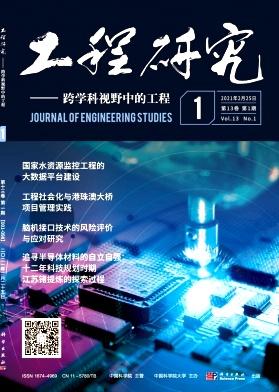
来源期刊
自引率
0.00%
发文量
998
×
引用
GB/T 7714-2015
复制
MLA
复制
APA
复制
导出至
BibTeX EndNote RefMan NoteFirst NoteExpress
×
提示
您的信息不完整,为了账户安全,请先补充。
现在去补充
×
提示
您因"违规操作"
具体请查看互助需知
我知道了
×
提示
确定
请完成安全验证×
copy
已复制链接
快去分享给好友吧!
我知道了
右上角分享
点击右上角分享
0
联系我们:info@booksci.cn Book学术提供免费学术资源搜索服务,方便国内外学者检索中英文文献。致力于提供最便捷和优质的服务体验。 Copyright © 2023 布克学术 All rights reserved.
京ICP备2023020795号-1
ghs 京公网安备 11010802042870号
Book学术文献互助
Book学术文献互助群
群 号:604180095
Book学术官方微信
小红书



