
II: METHODS.
IF 6.8
1区 心理学
Q1 PSYCHOLOGY, DEVELOPMENTAL
Monographs of the Society for Research in Child Development
Pub Date : 2018-03-01
DOI:10.1111/mono.12349
引用次数: 3
Abstract
T HE PROCEDURE and methods used in the initial examinations of all cohorts have been described in detail (Keys et al., 1967, pp. 24-54). Except for additional items in the protocol, noted below, the same procedures and methods were used in the reexaminations five years later, and with few exceptions the same professional and assisting staff conducted the work both times. On the second as on the first occasion, the great majority of the examinations were made in the mornings before the men had indulged in any strenuous work although most of them had eaten their usual breakfast before reporting for examination. The sequence of events in the examinations started with registration by an assistant, native to or at least greatly familiar with the area and its population, who recorded any changes in family and occupational status and in personal habits, including smoking. That assistant, usually a nurse or medical technician but sometimes a physician, filled out the London School of Hygiene Cardiovascular Questionnaire (see Rose and Blackburn 1968, Annex 6). After disrobing to underwear and socks, measurements of height, weight, and thickness of the skinfolds over the triceps muscle and over the tip of the scapula were made with the same standardized methods as used in the entry examinations. Respiratory function tests, which will not be reported here, preceded the medical history and physical examinations, two internists taking alternate subjects for this latter purpose. Blood pressure was recorded at least twice at that stage. The forms for initial data, medical history, and physical examination are reproduced in the Appendix of this report. The 12-lead electrocardiogram was recorded in supine rest on multichannel machines, with routine control of calibration and paper speed (25 mm/sec). Except where there was manifest heart disease or other contraindication, a three-minute exercise test was made with repetition of the ECGII: 方法。
本文章由计算机程序翻译,如有差异,请以英文原文为准。
求助全文
约1分钟内获得全文
求助全文
来源期刊
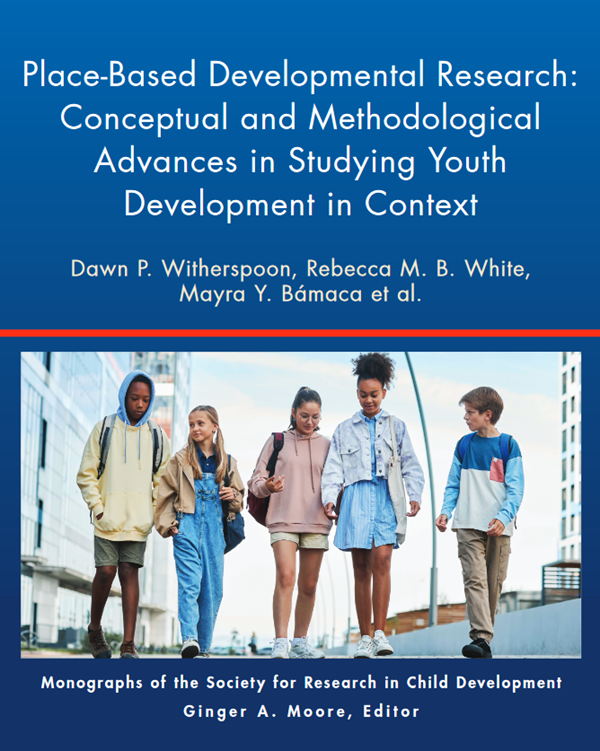
Monographs of the Society for Research in Child Development
PSYCHOLOGY, DEVELOPMENTAL-
CiteScore
16.30
自引率
0.00%
发文量
0
期刊介绍:
Since 1935, Monographs of the Society for Research in Child Development has been a platform for presenting in-depth research studies and significant findings in child development and related disciplines. Each issue features a single study or a collection of papers on a unified theme, often complemented by commentary and discussion. In alignment with all Society for Research in Child Development (SRCD) publications, the Monographs facilitate the exchange of data, techniques, research methods, and conclusions among development specialists across diverse disciplines. Subscribing to the Monographs series also includes a full subscription (6 issues) to Child Development, the flagship journal of the SRCD, and Child Development Perspectives, the newest journal from the SRCD.
 求助内容:
 应助结果提醒方式:


 京公网安备 11010802042870号


