
Enantiomer-Dependent Modulation of Lithium Uptake and Accumulation in Plants by Foliar Application of Chiral SeNPs
IF 12.2
1区 环境科学与生态学
Q1 ENGINEERING, ENVIRONMENTAL
引用次数: 0
Abstract
The rapid expansion of lithium-based new energy technologies has led to substantial lithium inputs into soil, potentially threatening human health through the consumption of lithium-accumulated agricultural products. Therefore, efficient strategies are urgently needed to mitigate the uptake and accumulation of lithium in plant fruits. Nanotechnology offers promising avenues for enhancing stress resilience and improving the quality of crops grown in contaminated soils. Here, we found that lithium was distributed unevenly among tissues (leaves: 1365, roots: 508, stems: 112, and fruits: 24 mg kg–1) of eggplants grown in lithium-contaminated soil. Notably, foliar spraying of selenium nanoparticles with levorotatory chirality (l-SeNPs) effectively reduced fruit lithium content and promoted its accumulation in the leaves, roots, and stems, in which vacuolar compartmentalization was the primary pathway for tolerance to high lithium content, whereas the dextrorotatory enantiomer showed no such effects. Mechanism investigation elucidated that l-SeNPs can reinforce antioxidant defense systems of eggplant under lithium stress through a microbiome–metabolome–transcriptome bridging cascade, in which l-SeNPs substantially affected rhizosphere bacterial and metabolic networks along with minor changes in the bioavailability of lithium in rhizosphere soil. This study sheds light on the superiority of nanoscale chirality in modulating lithium uptake and accumulation in plants grown in metal-contaminated soil, providing strategies for agromining of lithium.

叶面施用手性SeNPs对植物锂吸收和积累的对映体依赖性调节
锂基新能源技术的迅速发展导致大量锂进入土壤,通过消耗锂积累的农产品可能威胁人类健康。因此,迫切需要有效的策略来减缓锂在植物果实中的吸收和积累。纳米技术为增强受污染土壤中的抗逆性和提高作物质量提供了有希望的途径。在这里,我们发现锂在锂污染土壤中生长的茄子的组织中分布不均匀(叶片:1365,根:508,茎:112,果实:24 mg kg-1)。值得注意的是,叶面喷施具有左旋手性(l-SeNPs)的硒纳米粒子可以有效降低果实锂含量,促进其在叶片、根和茎中的积累,其中液泡区隔化是耐受高锂含量的主要途径,而右旋对映体则没有这种作用。机制研究表明,l-SeNPs可以通过微生物-代谢组-转录组桥接级联增强锂胁迫下茄子的抗氧化防御系统,其中l-SeNPs显著影响根际细菌和代谢网络,并对根际土壤锂的生物有效性产生微小影响。该研究揭示了纳米级手性在调节金属污染土壤中植物对锂的吸收和积累方面的优势,为锂的农业开采提供了策略。
本文章由计算机程序翻译,如有差异,请以英文原文为准。
求助全文
约1分钟内获得全文
求助全文
来源期刊
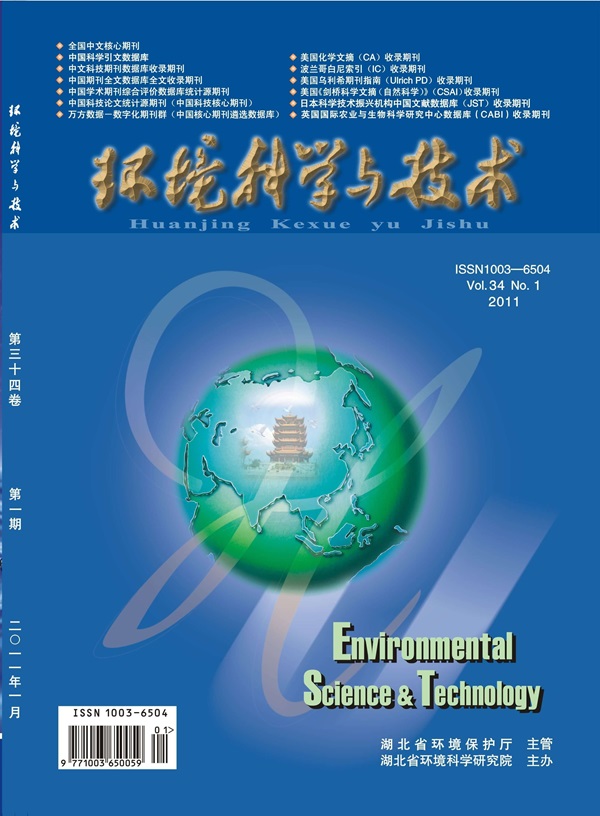
环境科学与技术
环境科学-工程:环境
CiteScore
17.50
自引率
9.60%
发文量
12359
审稿时长
2.8 months
期刊介绍:
Environmental Science & Technology (ES&T) is a co-sponsored academic and technical magazine by the Hubei Provincial Environmental Protection Bureau and the Hubei Provincial Academy of Environmental Sciences.
Environmental Science & Technology (ES&T) holds the status of Chinese core journals, scientific papers source journals of China, Chinese Science Citation Database source journals, and Chinese Academic Journal Comprehensive Evaluation Database source journals. This publication focuses on the academic field of environmental protection, featuring articles related to environmental protection and technical advancements.
 求助内容:
 应助结果提醒方式:


 京公网安备 11010802042870号


