
Psychoactive Pollutant Impacts Baseline Immune Traits but Not Behavior and Microbiome in a Fish
IF 12.2
1区 环境科学与生态学
Q1 ENGINEERING, ENVIRONMENTAL
引用次数: 0
Abstract
Pharmaceutical pollution is an increasing global threat to freshwater ecosystems. Psychoactive drugs, such as antidepressants, are of particular concern because they affect evolutionarily conserved neuroendocrine pathways in nontarget organisms. As these pathways regulate interconnected biological systems, understanding the ecological consequences of pharmaceutical exposure requires an integrative approach. Here, we investigated the effects of 28-day exposure to control (freshwater), low (4.2 ± 0.3 ng/L), and high (637.5 ± 173.84 ng/L) fluoxetine concentrations on behaviors, baseline immune traits, and skin mucus microbiome composition in the Murray River rainbowfish (Melanotaenia fluviatilis). Fluoxetine exposure did not impact fish behavior, including activity, freezing behavior, shelter use, or microbiome composition. In contrast, immune traits were significantly altered. Both fluoxetine concentrations reduced total white blood cell (WBC) count, while only fish exposed to the low concentration showed reduced lymphocyte counts and elevated neutrophil counts, consistent with a stress-associated WBC redistribution response. Our findings show that different, but interconnected, biological systems can differ in their sensitivity to pollutants and suggest that immune traits may be an early, sensitive indicator of exposure to psychoactive pharmaceuticals. These findings highlight the importance of integrating multiple biological end points to obtain a more comprehensive understanding of the ecological consequences of pharmaceutical contamination.

精神活性污染物影响鱼的基线免疫特性,但不影响行为和微生物组
药物污染是对淡水生态系统日益严重的全球性威胁。精神活性药物,如抗抑郁药,特别值得关注,因为它们影响非靶生物进化上保守的神经内分泌通路。由于这些途径调节相互关联的生物系统,了解药物暴露的生态后果需要一个综合的方法。本研究研究了对照(淡水)、低浓度(4.2±0.3 ng/L)和高浓度(637.5±173.84 ng/L)氟西汀暴露28天对墨利河彩虹鱼(Melanotaenia fluviatilis)行为、基线免疫特征和皮肤粘液微生物组组成的影响。氟西汀暴露不影响鱼类的行为,包括活动、冷冻行为、庇护所使用或微生物组组成。相比之下,免疫特性明显改变。两种氟西汀浓度都降低了总白细胞(WBC)计数,而只有暴露于低浓度的鱼表现出淋巴细胞计数减少和中性粒细胞计数升高,这与应激相关的WBC再分配反应一致。我们的研究结果表明,不同但相互关联的生物系统对污染物的敏感性可能不同,并表明免疫特征可能是暴露于精神活性药物的早期敏感指标。这些发现强调了整合多个生物终点的重要性,以便更全面地了解药物污染的生态后果。
本文章由计算机程序翻译,如有差异,请以英文原文为准。
求助全文
约1分钟内获得全文
求助全文
来源期刊
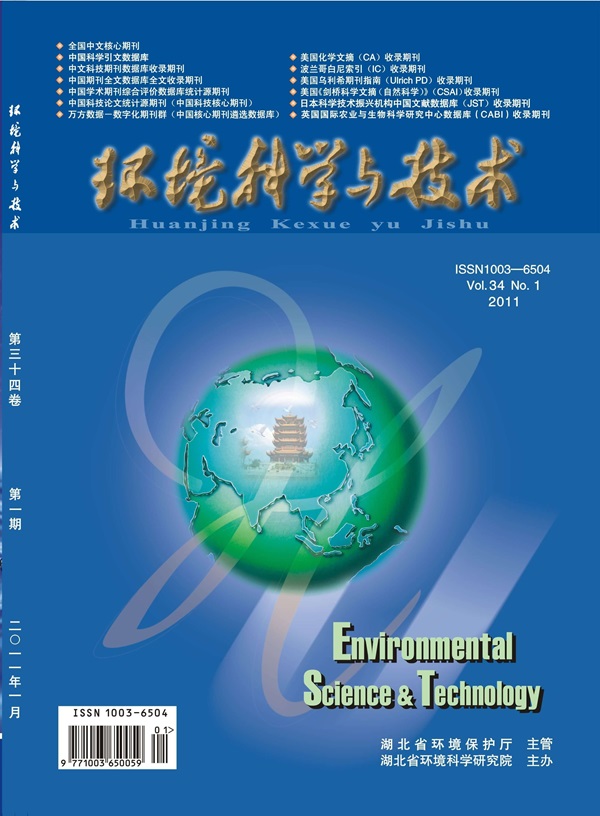
环境科学与技术
环境科学-工程:环境
CiteScore
17.50
自引率
9.60%
发文量
12359
审稿时长
2.8 months
期刊介绍:
Environmental Science & Technology (ES&T) is a co-sponsored academic and technical magazine by the Hubei Provincial Environmental Protection Bureau and the Hubei Provincial Academy of Environmental Sciences.
Environmental Science & Technology (ES&T) holds the status of Chinese core journals, scientific papers source journals of China, Chinese Science Citation Database source journals, and Chinese Academic Journal Comprehensive Evaluation Database source journals. This publication focuses on the academic field of environmental protection, featuring articles related to environmental protection and technical advancements.
 求助内容:
 应助结果提醒方式:


 京公网安备 11010802042870号


