
PFAS in Follicular Fluid, Anti-Müllerian Hormone, and Oocyte Developmental Competence: A Prospective Study in GIVES
IF 12.2
1区 环境科学与生态学
Q1 ENGINEERING, ENVIRONMENTAL
引用次数: 0
Abstract
Abstract In this prospective study based on the Guangxi In Vitro Fertilization and the Environment Study (GIVES) cohort, we measured poly- and perfluoroalkyl substances (PFAS) in the ovarian follicular fluid of 729 participants to investigate their association with oocyte developmental competence. The PFAS mixture was negatively associated with Metaphase II (MII) oocyte rate, with chlorinated polyfluoroalkyl ether sulfonic acids (Cl-PFESAs) identified as the primary contributor in Bayesian kernel machine regression (BKMR) models. Cl-PFESAs were negatively associated with oocyte maturation [relative risk (RR) = 0.67, 95% CI: 0.56–0.79], fertilization (RR = 0.78, 95% CI: 0.67–0.90), blastocyst formation (RR = 0.81, 95% CI: 0.70–0.94), and high-quality blastocyst formation (RR = 0.49, 95% CI: 0.41–0.58). Serum anti-Müllerian hormone (AMH) may act as a key modifier, with a stronger association observed in women with low AMH for MII oocyte rate [relative excess risk due to interaction (RERI) = 0.33, 95% CI: 0.12–0.54] and fertilization rate (RERI = 0.24, 95% CI: 0.003–0.49). Our findings indicate that PFAS, particularly Cl-PFESAs, in follicular fluid are linked to impaired oocyte developmental competence, with AMH serving as a potential modifier. Further studies are warranted to validate our findings and assess the implications of PFAS for reproductive outcomes.PFASin卵泡液,抗勒氏激素和卵母细胞发育能力:一项前瞻性研究
摘要本前瞻性研究基于广西体外受精与环境研究(GIVES)队列,我们测量了729名参与者卵巢卵泡液中的多氟烷基和全氟烷基物质(PFAS),以探讨它们与卵母细胞发育能力的关系。PFAS混合物与中期II (MII)卵母细胞率呈负相关,在贝叶斯核机器回归(BKMR)模型中,氯代多氟烷基醚磺酸(Cl-PFESAs)被确定为主要贡献者。Cl-PFESAs与卵母细胞成熟[相对危险度(RR) = 0.67, 95% CI: 0.56-0.79]、受精(RR = 0.78, 95% CI: 0.67 - 0.90)、囊胚形成(RR = 0.81, 95% CI: 0.70-0.94)和高质量囊胚形成(RR = 0.49, 95% CI: 0.41-0.58)呈负相关。血清抗勒氏激素(AMH)可能是一个关键的调节因子,低AMH的女性与MII卵母细胞率[相互作用的相对过量风险(rei) = 0.33, 95% CI: 0.12-0.54]和受精率(rei = 0.24, 95% CI: 0.003-0.49)的相关性更强。我们的研究结果表明,卵泡液中的PFAS,特别是cl - PFAS,与卵母细胞发育能力受损有关,而AMH可能是一种潜在的调节剂。需要进一步的研究来验证我们的发现,并评估PFAS对生殖结果的影响。
本文章由计算机程序翻译,如有差异,请以英文原文为准。
求助全文
约1分钟内获得全文
求助全文
来源期刊
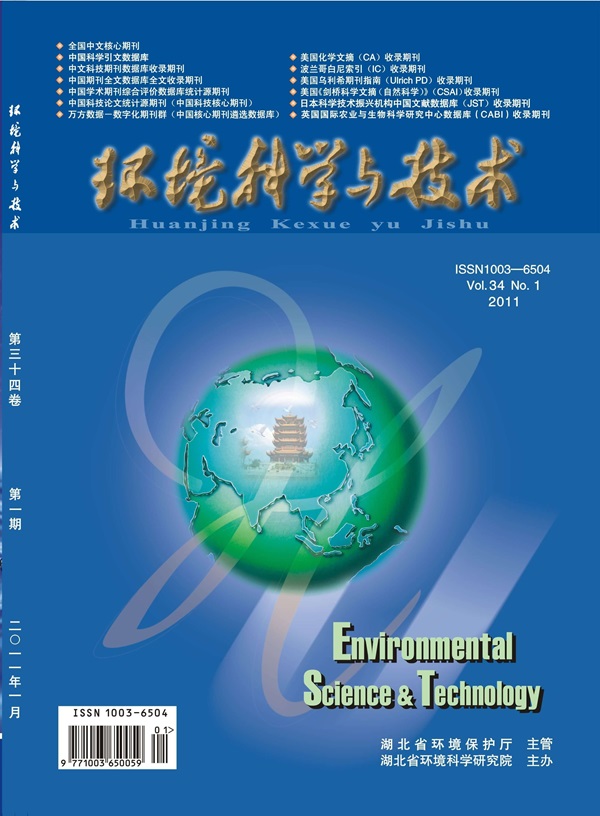
环境科学与技术
环境科学-工程:环境
CiteScore
17.50
自引率
9.60%
发文量
12359
审稿时长
2.8 months
期刊介绍:
Environmental Science & Technology (ES&T) is a co-sponsored academic and technical magazine by the Hubei Provincial Environmental Protection Bureau and the Hubei Provincial Academy of Environmental Sciences.
Environmental Science & Technology (ES&T) holds the status of Chinese core journals, scientific papers source journals of China, Chinese Science Citation Database source journals, and Chinese Academic Journal Comprehensive Evaluation Database source journals. This publication focuses on the academic field of environmental protection, featuring articles related to environmental protection and technical advancements.
 求助内容:
 应助结果提醒方式:


 京公网安备 11010802042870号


