
Receptor Binding Drives Toxicokinetic Processes: Insights from Two Amphipod Species Exposed to Insecticides Targeting the Nicotinic Acetylcholine Receptor
IF 12.2
1区 环境科学与生态学
Q1 ENGINEERING, ENVIRONMENTAL
引用次数: 0
Abstract
Abstract Insecticides targeting nicotinic acetylcholine receptors (nAChRs) are used because of their high neuroactive efficacy. However, they can also exert substantial toxic pressure on nontarget aquatic invertebrates. A previous study suggested that irreversible receptor binding is the main driver of thiacloprid bioaccumulation. To determine whether the observed elimination resistance applies to other nAChR-binding insecticides and species, this study investigates five compounds from different substance classes that target nAChRs. Using the two amphipod species, Hyalella azteca and Gammarus pulex, toxicokinetic experiments were combined with assessing receptor binding in vivo and in vitro. The three N-cyanoamidines and N-nitroguanidine neonicotinoids (thiacloprid, acetamiprid, and imidacloprid) and the metabolite imidacloprid-olefin showed resistance toward elimination (i.e., over 15 days of depuration in both amphipod species). This observation could be well described by a two-compartment toxicokinetic (TK)-receptor model (>0.89 R2) with integrated irreversible binding. In contrast, the butenolide flupyradifurone was fully eliminated, and the organic biocide spinosad was eliminated significantly but slowly, both fitted well with a one-compartment TK model (>0.71 R2). These findings demonstrate that receptor-binding specificity and affinity are highly compound class dependent. Although no direct link between receptor binding and acute toxicity could be established, elimination resistance indicates a risk for delayed, sublethal effects that should be critically considered in regulatory risk assessment.受体结合驱动毒性动力学过程:两种片脚类动物暴露于针对烟碱乙酰胆碱受体的杀虫剂中的见解
针对烟碱乙酰胆碱受体(nAChRs)的杀虫剂因其高神经活性而被广泛应用。然而,它们也可以对非目标水生无脊椎动物施加巨大的毒性压力。先前的一项研究表明,不可逆的受体结合是噻虫啉生物积累的主要驱动力。为了确定观察到的消除抗性是否适用于其他nachr结合杀虫剂和物种,本研究调查了来自不同物质类别的五种靶向nachr的化合物。以阿兹特克透明藻(Hyalella azteca)和Gammarus pulex两种片足类动物为研究对象,结合体内和体外受体结合的毒性动力学实验。三种n -氰脒类和n -硝基胍类新烟碱类(噻虫啉、啶虫啉和吡虫啉)及其代谢物吡虫啉-烯烃对清除均有抗性(即在两种片足类动物中清除15天以上)。这一观察结果可以通过集成不可逆结合的两室毒性动力学(TK)受体模型(>0.89 R2)很好地描述。丁烯内酯氟吡喃醌被完全消除,有机杀菌剂spinosad被显著但缓慢地消除,两者都符合一室TK模型(>0.71 R2)。这些发现表明受体结合特异性和亲和力是高度依赖于化合物类的。虽然受体结合与急性毒性之间没有直接联系,但消除耐药性表明存在延迟、亚致死效应的风险,在监管风险评估中应予以严格考虑。
本文章由计算机程序翻译,如有差异,请以英文原文为准。
求助全文
约1分钟内获得全文
求助全文
来源期刊
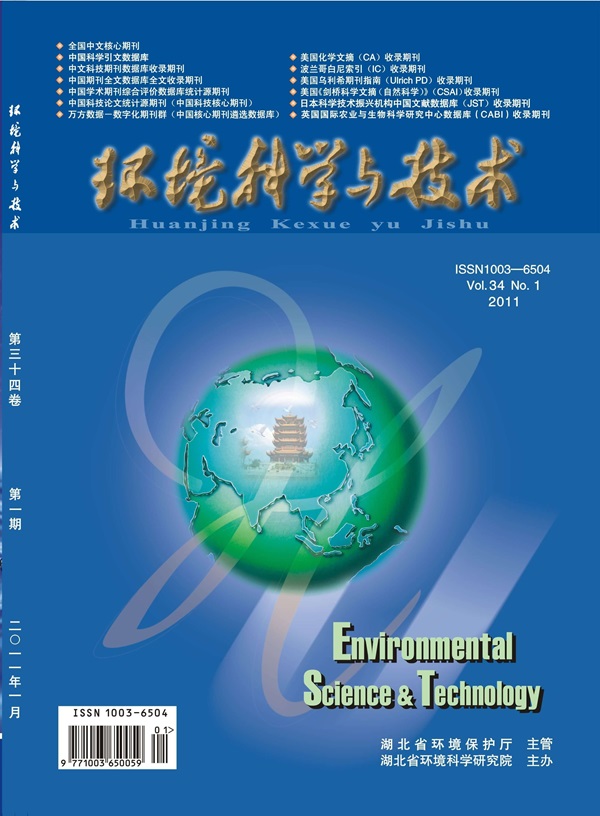
环境科学与技术
环境科学-工程:环境
CiteScore
17.50
自引率
9.60%
发文量
12359
审稿时长
2.8 months
期刊介绍:
Environmental Science & Technology (ES&T) is a co-sponsored academic and technical magazine by the Hubei Provincial Environmental Protection Bureau and the Hubei Provincial Academy of Environmental Sciences.
Environmental Science & Technology (ES&T) holds the status of Chinese core journals, scientific papers source journals of China, Chinese Science Citation Database source journals, and Chinese Academic Journal Comprehensive Evaluation Database source journals. This publication focuses on the academic field of environmental protection, featuring articles related to environmental protection and technical advancements.
 求助内容:
 应助结果提醒方式:


 京公网安备 11010802042870号


