Ralf B. Schäfer, Thomas Backhaus, Juliane Filser, Mark O. Gessner, Matthias Liess, Martina Roß-Nickoll, Maj Rundlöf, Martin Scheringer, David J. Spurgeon, Teja Tscharntke, Paul J. Van den Brink, Andreas Schäffer
{"title":"Insufficient Environmental Protection by the European Regulatory Framework for Pesticides","authors":"Ralf B. Schäfer, Thomas Backhaus, Juliane Filser, Mark O. Gessner, Matthias Liess, Martina Roß-Nickoll, Maj Rundlöf, Martin Scheringer, David J. Spurgeon, Teja Tscharntke, Paul J. Van den Brink, Andreas Schäffer","doi":"10.1021/acs.est.6c06604","DOIUrl":null,"url":null,"abstract":"<p>Schriever\r\net al. (2025) argue that environmental risk assessment\r\nof pesticides in the European Union is sufficiently protective and\r\nthat regulatory thresholds are rarely exceeded. Here, we reexamine\r\nthese claims based on existing evidence from monitoring, systematic\r\nreviews, and different types of field studies. The available evidence\r\nindicates that measured pesticide concentrations frequently exceed\r\npredicted concentrations and regulatory thresholds and are associated\r\nwith adverse ecological impacts. The mechanisms driving this result\r\ninclude the joint action of pesticides applied in temporal and spatial\r\nproximity, varied environmental conditions, interactive effects of\r\npesticides with additional stressors, and indirect ecological effects\r\nthat propagate within biological communities. These neglected intricacies\r\nexplain why current single-substance prospective assessments tend\r\nto underpredict real-world pesticide exposure and impact in field\r\nsettings. The corollary is that the current regulatory framework in\r\nEurope proves to be insufficient to protect biodiversity and ecosystems.\r\nPriority regulatory reforms include strengthening postregistration\r\nmonitoring, refining predictive exposure models, and explicitly considering\r\nlandscape context, indirect and mixture effects, and interactions\r\nwith nonchemical stressors.</p>","PeriodicalId":36,"journal":{"name":"环境科学与技术","volume":"60 41","pages":"29260–29272"},"PeriodicalIF":12.2000,"publicationDate":"2026-10-20","publicationTypes":"Journal Article","fieldsOfStudy":null,"isOpenAccess":false,"openAccessPdf":"","citationCount":"0","resultStr":null,"platform":"Semanticscholar","paperid":null,"PeriodicalName":"环境科学与技术","FirstCategoryId":"1","ListUrlMain":"https://pubs.acs.org/doi/10.1021/acs.est.6c06604","RegionNum":1,"RegionCategory":"环境科学与生态学","ArticlePicture":[],"TitleCN":null,"AbstractTextCN":null,"PMCID":null,"EPubDate":"2026/10/5 0:00:00","PubModel":"Epub","JCR":"Q1","JCRName":"ENGINEERING, ENVIRONMENTAL","Score":null,"Total":0}
引用次数: 0
Abstract
Schriever
et al. (2025) argue that environmental risk assessment
of pesticides in the European Union is sufficiently protective and
that regulatory thresholds are rarely exceeded. Here, we reexamine
these claims based on existing evidence from monitoring, systematic
reviews, and different types of field studies. The available evidence
indicates that measured pesticide concentrations frequently exceed
predicted concentrations and regulatory thresholds and are associated
with adverse ecological impacts. The mechanisms driving this result
include the joint action of pesticides applied in temporal and spatial
proximity, varied environmental conditions, interactive effects of
pesticides with additional stressors, and indirect ecological effects
that propagate within biological communities. These neglected intricacies
explain why current single-substance prospective assessments tend
to underpredict real-world pesticide exposure and impact in field
settings. The corollary is that the current regulatory framework in
Europe proves to be insufficient to protect biodiversity and ecosystems.
Priority regulatory reforms include strengthening postregistration
monitoring, refining predictive exposure models, and explicitly considering
landscape context, indirect and mixture effects, and interactions
with nonchemical stressors.
期刊介绍:
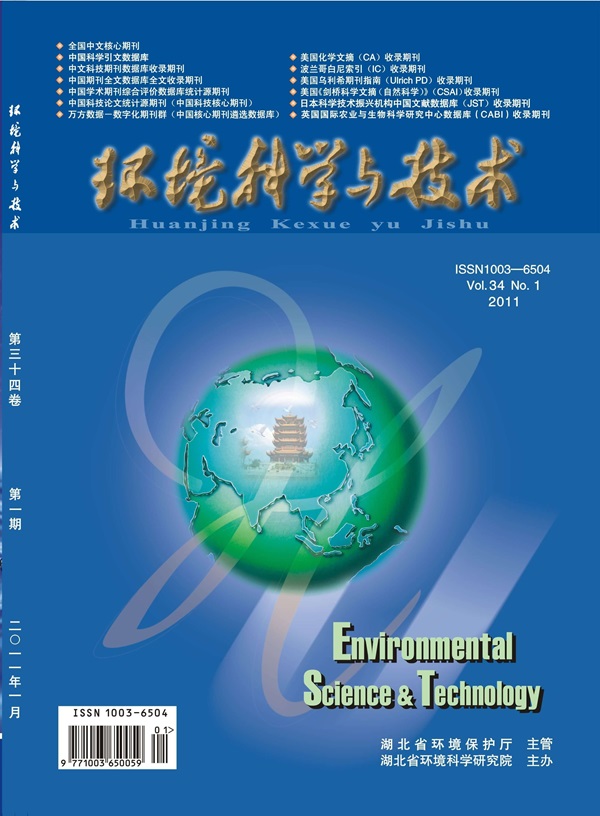
Environmental Science & Technology (ES&T) is a co-sponsored academic and technical magazine by the Hubei Provincial Environmental Protection Bureau and the Hubei Provincial Academy of Environmental Sciences.
Environmental Science & Technology (ES&T) holds the status of Chinese core journals, scientific papers source journals of China, Chinese Science Citation Database source journals, and Chinese Academic Journal Comprehensive Evaluation Database source journals. This publication focuses on the academic field of environmental protection, featuring articles related to environmental protection and technical advancements.

 求助内容:
 应助结果提醒方式:


 京公网安备 11010802042870号


