Shaalini Ramanadhan, Alison Edelman, Yan Che, Robin A Paynter, Alyssa Hersh, Jillian T Henderson
{"title":"Mifepristone versus other interventions for the prevention of pregnancy in reproductive-age women using emergency contraception.","authors":"Shaalini Ramanadhan, Alison Edelman, Yan Che, Robin A Paynter, Alyssa Hersh, Jillian T Henderson","doi":"10.1002/14651858.CD016275","DOIUrl":null,"url":null,"abstract":"<p><strong>Rationale: </strong>Emergency contraception uses drugs or intrauterine devices to prevent pregnancy after unprotected intercourse. Understanding the effectiveness, safety, and acceptability of the various methods available is critical for reproductive healthcare providers and their patients.</p><p><strong>Objectives: </strong>To evaluate the effectiveness, safety, and acceptability of mifepristone compared to other interventions in reproductive-age women using emergency contraception for the prevention of pregnancy.</p><p><strong>Search methods: </strong>We used CENTRAL, MEDLINE, Embase, two other databases, and two trial registers, together with reference checking and contact with study authors and experts in the field, to identify the studies included in the review. The latest search date was 28 February 2025.</p><p><strong>Eligibility criteria: </strong>We included randomized controlled trials (RCTs) comparing mifepristone to oral emergency contraception pills (levonorgestrel, the Yuzpe regimen, and ulipristal acetate) or copper or levonorgestrel intrauterine devices (IUDs). We also planned to include non-randomized studies of interventions (NRSIs) for capturing rare adverse outcomes and detecting minimal clinically important differences (MCIDs). Participants were women seeking emergency contraception within five days of unprotected intercourse.</p><p><strong>Outcomes: </strong>The critical outcome was the number of pregnancies. Important outcomes included any side effects, altered menses, and acceptability, assessed as treatment satisfaction.</p><p><strong>Risk of bias: </strong>We used Cochrane's RoB 1 tool to assess the risk of bias in the RCTs.</p><p><strong>Synthesis methods: </strong>We synthesized results for each outcome using meta-analysis where possible, using both fixed-effect and random-effects models. We used GRADE to assess the certainty of evidence for each outcome.</p><p><strong>Included studies: </strong>We included 87 studies with approximately 36,000 participants. Seventy-nine studies were conducted in China, four in the UK, two in Cuba, and two were multi-country studies. Forty-one studies compared mifepristone with levonorgestrel; three with the Yuzpe regimen (estrogen and progestin); 42 compared two or more doses of mifepristone; and two compared mifepristone with copper IUD. We excluded all relevant NRSIs identified because none reported additional outcome data that were unavailable from the included RCTs.</p><p><strong>Synthesis of results: </strong>Mid-dose mifepristone (25 mg to 50 mg) versus levonorgestrel Compared to levonorgestrel, mid-dose mifepristone likely results in fewer pregnancies (risk ratio (RR) 0.67, 95% confidence interval (CI) 0.49 to 0.91; I<sup>2</sup> = 0%; 27 studies, 6052 participants) and likely reduces the occurrence of any side effects (RR 0.55, 95% CI 0.39 to 0.76; I<sup>2</sup> = 72%; 17 studies, 4350 participants), both with moderate-certainty evidence. It probably leads to fewer occurrences of early menses (RR 0.71, 95% CI 0.49 to 1.03; 7 studies, 1324 participants), but a higher risk of delayed menses (RR 1.29, 95% CI 1.01 to 1.64; I<sup>2</sup> = 25%; 17 studies, 3615 participants), both with moderate-certainty evidence. No studies reported on acceptability. Low-dose mifepristone (< 25 mg) versus levonorgestrel Low-dose mifepristone reduces pregnancy compared to levonorgestrel (RR 0.73, 95% CI 0.59 to 0.90; I<sup>2</sup> = 0%; 14 studies, 8752 participants; high-certainty evidence). It likely results in a large reduction in any side effects (RR 0.26, 95% CI 0.17 to 0.38; I<sup>2</sup> = 0%; 3 studies, 609 participants; moderate-certainty evidence). Low-dose mifepristone reduces the risk of early menses after treatment (RR 0.45, 95% CI 0.35 to 0.58; I<sup>2</sup> = 0%; 6 studies, 1898 participants), but slightly increases the risk of delayed menses (RR 1.52, 95% CI 1.11 to 2.08; I<sup>2</sup> = 50%; 10 studies, 7618 participants), both with high-certainty evidence. Low-dose mifepristone probably results in slightly higher treatment satisfaction (RR 1.03, 95% CI 0.99 to 1.07; 1 study, 724 participants; moderate-certainty evidence). Mifepristone versus the Yuzpe regimen Compared to the Yuzpe regimen, mifepristone (any dose) probably results in a reduction in pregnancies (RR 0.14, 95% CI 0.05 to 0.41; I<sup>2</sup> = 0%; 3 studies, 2144 participants) and probably results in a large reduction in any side effects (RR 0.89, 95% CI 0.83 to 0.95; I<sup>2</sup> = 97%; 2 studies, 1693 participants), both with moderate-certainty evidence. Mifepristone increases the risk of delayed menses (RR 2.83, 95% CI 2.31 to 3.47; I<sup>2</sup> = 85%; 3 studies, 1912 participants; high-certainty evidence). It likely increases treatment satisfaction (RR 1.17, 95% CI 1.10 to 1.25; 1 study, 615 participants; moderate-certainty evidence). No studies reported on early menses. Mifepristone versus copper IUD We included two studies. Neither reported data for any side effects nor treatment satisfaction. Evidence for the number of pregnancies and altered menses was of very low certainty due to risk of bias, imprecision, and few events. Mid-dose mifepristone (25 mg to 50 mg) versus low-dose mifepristone (< 25 mg) Mid-dose mifepristone results in a slight reduction in pregnancies (RR 0.77, 95% CI 0.59 to 1.00; I<sup>2</sup> = 0%; 26 studies, 12,358 participants) and a slight increase in delayed menses (RR 1.32, 95% CI 1.15 to 1.50; I<sup>2</sup> = 53%; 22 studies, 11,733 participants) compared to low-dose mifepristone, both with high-certainty evidence. There may be little to no difference in the occurrence of any side effect or early menses between mid-dose and low-dose mifepristone (both outcomes with low-certainty evidence). No studies reported treatment satisfaction. Certainty and limitations The certainty of evidence ranged from very low to high, with downgrading primarily due to the risk of bias for unclear reporting. Most studies were conducted in China, which may limit the generalizability of findings on side effects and satisfaction. Substantial missing data affected four risk of bias domains: random sequence generation, allocation concealment, blinding, and incomplete outcome data. Sensitivity analyses restricted to studies at low overall risk of bias yielded similar effect estimates.</p><p><strong>Authors' conclusions: </strong>Both mid-dose and low-dose mifepristone are probably more effective than levonorgestrel. Mifepristone is likely more effective than the Yuzpe regimen in preventing pregnancy following unprotected intercourse. Nausea and vomiting are less common with all mifepristone doses than with Yuzpe. A delay in menses is probably the main adverse effect of mifepristone; higher doses of mifepristone seem to lead to increased frequency of delayed menses than lower doses.</p><p><strong>Funding: </strong>This Cochrane review was funded in part by the World Health Organization (WHO).</p><p><strong>Registration: </strong>Registration: PROSPERO CRD42024591428.</p>","PeriodicalId":10473,"journal":{"name":"Cochrane Database of Systematic Reviews","volume":"9 ","pages":"CD016275"},"PeriodicalIF":11.1000,"publicationDate":"2026-09-21","publicationTypes":"Journal Article","fieldsOfStudy":null,"isOpenAccess":false,"openAccessPdf":"https://www.ncbi.nlm.nih.gov/pmc/articles/PMC13590219/pdf/","citationCount":"0","resultStr":null,"platform":"Semanticscholar","paperid":null,"PeriodicalName":"Cochrane Database of Systematic Reviews","FirstCategoryId":"3","ListUrlMain":"https://doi.org/10.1002/14651858.CD016275","RegionNum":2,"RegionCategory":"医学","ArticlePicture":[],"TitleCN":null,"AbstractTextCN":null,"PMCID":null,"EPubDate":"","PubModel":"","JCR":"Q1","JCRName":"MEDICINE, GENERAL & INTERNAL","Score":null,"Total":0}
引用次数: 0
Abstract
Rationale: Emergency contraception uses drugs or intrauterine devices to prevent pregnancy after unprotected intercourse. Understanding the effectiveness, safety, and acceptability of the various methods available is critical for reproductive healthcare providers and their patients.
Objectives: To evaluate the effectiveness, safety, and acceptability of mifepristone compared to other interventions in reproductive-age women using emergency contraception for the prevention of pregnancy.
Search methods: We used CENTRAL, MEDLINE, Embase, two other databases, and two trial registers, together with reference checking and contact with study authors and experts in the field, to identify the studies included in the review. The latest search date was 28 February 2025.
Eligibility criteria: We included randomized controlled trials (RCTs) comparing mifepristone to oral emergency contraception pills (levonorgestrel, the Yuzpe regimen, and ulipristal acetate) or copper or levonorgestrel intrauterine devices (IUDs). We also planned to include non-randomized studies of interventions (NRSIs) for capturing rare adverse outcomes and detecting minimal clinically important differences (MCIDs). Participants were women seeking emergency contraception within five days of unprotected intercourse.
Outcomes: The critical outcome was the number of pregnancies. Important outcomes included any side effects, altered menses, and acceptability, assessed as treatment satisfaction.
Risk of bias: We used Cochrane's RoB 1 tool to assess the risk of bias in the RCTs.
Synthesis methods: We synthesized results for each outcome using meta-analysis where possible, using both fixed-effect and random-effects models. We used GRADE to assess the certainty of evidence for each outcome.
Included studies: We included 87 studies with approximately 36,000 participants. Seventy-nine studies were conducted in China, four in the UK, two in Cuba, and two were multi-country studies. Forty-one studies compared mifepristone with levonorgestrel; three with the Yuzpe regimen (estrogen and progestin); 42 compared two or more doses of mifepristone; and two compared mifepristone with copper IUD. We excluded all relevant NRSIs identified because none reported additional outcome data that were unavailable from the included RCTs.
Synthesis of results: Mid-dose mifepristone (25 mg to 50 mg) versus levonorgestrel Compared to levonorgestrel, mid-dose mifepristone likely results in fewer pregnancies (risk ratio (RR) 0.67, 95% confidence interval (CI) 0.49 to 0.91; I2 = 0%; 27 studies, 6052 participants) and likely reduces the occurrence of any side effects (RR 0.55, 95% CI 0.39 to 0.76; I2 = 72%; 17 studies, 4350 participants), both with moderate-certainty evidence. It probably leads to fewer occurrences of early menses (RR 0.71, 95% CI 0.49 to 1.03; 7 studies, 1324 participants), but a higher risk of delayed menses (RR 1.29, 95% CI 1.01 to 1.64; I2 = 25%; 17 studies, 3615 participants), both with moderate-certainty evidence. No studies reported on acceptability. Low-dose mifepristone (< 25 mg) versus levonorgestrel Low-dose mifepristone reduces pregnancy compared to levonorgestrel (RR 0.73, 95% CI 0.59 to 0.90; I2 = 0%; 14 studies, 8752 participants; high-certainty evidence). It likely results in a large reduction in any side effects (RR 0.26, 95% CI 0.17 to 0.38; I2 = 0%; 3 studies, 609 participants; moderate-certainty evidence). Low-dose mifepristone reduces the risk of early menses after treatment (RR 0.45, 95% CI 0.35 to 0.58; I2 = 0%; 6 studies, 1898 participants), but slightly increases the risk of delayed menses (RR 1.52, 95% CI 1.11 to 2.08; I2 = 50%; 10 studies, 7618 participants), both with high-certainty evidence. Low-dose mifepristone probably results in slightly higher treatment satisfaction (RR 1.03, 95% CI 0.99 to 1.07; 1 study, 724 participants; moderate-certainty evidence). Mifepristone versus the Yuzpe regimen Compared to the Yuzpe regimen, mifepristone (any dose) probably results in a reduction in pregnancies (RR 0.14, 95% CI 0.05 to 0.41; I2 = 0%; 3 studies, 2144 participants) and probably results in a large reduction in any side effects (RR 0.89, 95% CI 0.83 to 0.95; I2 = 97%; 2 studies, 1693 participants), both with moderate-certainty evidence. Mifepristone increases the risk of delayed menses (RR 2.83, 95% CI 2.31 to 3.47; I2 = 85%; 3 studies, 1912 participants; high-certainty evidence). It likely increases treatment satisfaction (RR 1.17, 95% CI 1.10 to 1.25; 1 study, 615 participants; moderate-certainty evidence). No studies reported on early menses. Mifepristone versus copper IUD We included two studies. Neither reported data for any side effects nor treatment satisfaction. Evidence for the number of pregnancies and altered menses was of very low certainty due to risk of bias, imprecision, and few events. Mid-dose mifepristone (25 mg to 50 mg) versus low-dose mifepristone (< 25 mg) Mid-dose mifepristone results in a slight reduction in pregnancies (RR 0.77, 95% CI 0.59 to 1.00; I2 = 0%; 26 studies, 12,358 participants) and a slight increase in delayed menses (RR 1.32, 95% CI 1.15 to 1.50; I2 = 53%; 22 studies, 11,733 participants) compared to low-dose mifepristone, both with high-certainty evidence. There may be little to no difference in the occurrence of any side effect or early menses between mid-dose and low-dose mifepristone (both outcomes with low-certainty evidence). No studies reported treatment satisfaction. Certainty and limitations The certainty of evidence ranged from very low to high, with downgrading primarily due to the risk of bias for unclear reporting. Most studies were conducted in China, which may limit the generalizability of findings on side effects and satisfaction. Substantial missing data affected four risk of bias domains: random sequence generation, allocation concealment, blinding, and incomplete outcome data. Sensitivity analyses restricted to studies at low overall risk of bias yielded similar effect estimates.
Authors' conclusions: Both mid-dose and low-dose mifepristone are probably more effective than levonorgestrel. Mifepristone is likely more effective than the Yuzpe regimen in preventing pregnancy following unprotected intercourse. Nausea and vomiting are less common with all mifepristone doses than with Yuzpe. A delay in menses is probably the main adverse effect of mifepristone; higher doses of mifepristone seem to lead to increased frequency of delayed menses than lower doses.
Funding: This Cochrane review was funded in part by the World Health Organization (WHO).
期刊介绍:
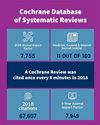
The Cochrane Database of Systematic Reviews (CDSR) stands as the premier database for systematic reviews in healthcare. It comprises Cochrane Reviews, along with protocols for these reviews, editorials, and supplements. Owned and operated by Cochrane, a worldwide independent network of healthcare stakeholders, the CDSR (ISSN 1469-493X) encompasses a broad spectrum of health-related topics, including health services.

 求助内容:
 应助结果提醒方式:


 京公网安备 11010802042870号


