Alexandros Loukas Grammatis, Tatjana Gibbons, Eberechi N Anucha, Christian M Becker
{"title":"Progesterone receptor modulators for endometriosis.","authors":"Alexandros Loukas Grammatis, Tatjana Gibbons, Eberechi N Anucha, Christian M Becker","doi":"10.1002/14651858.CD009881.pub3","DOIUrl":null,"url":null,"abstract":"<p><strong>Rationale: </strong>Endometriosis is defined as the presence of endometrium-like tissue developing outside the uterine cavity. This condition is oestrogen-dependent and thus is seen primarily during the reproductive years. Owing to their antiproliferative effects on the endometrium, progesterone receptor modulators (PRMs) have been advocated for the treatment of endometriosis. This is an update of a Cochrane review previously published in 2017.</p><p><strong>Objectives: </strong>To assess the effectiveness and safety of progesterone receptor modulators (PRMs) in the management of endometriosis.</p><p><strong>Search methods: </strong>To identify studies, we searched online sources, including the Cochrane Gynaecology and Fertility (CGF) Group trials register, CENTRAL, MEDLINE, Embase, PsycINFO, ClinicalTrials.gov and the WHO (World Health Organization) trial registry up to 16 April 2026. We also checked reference lists and contacted study authors and experts.</p><p><strong>Eligibility criteria: </strong>We included randomised controlled trials (RCTs) comparing PRMs with placebo, no treatment or other medical treatment, in women with symptomatic endometriosis.</p><p><strong>Outcomes: </strong>Our critical outcomes were overall pain; improvement in the most troublesome symptom, including dysmenorrhoea and dyspareunia; and adverse events resulting from the PRM intervention. Our important outcomes included quality of life (QoL) and patient satisfaction with treatment.</p><p><strong>Risk of bias: </strong>We used the Cochrane tool RoB 2 to assess the risk of bias in the outcomes of this review.</p><p><strong>Synthesis methods: </strong>Two review authors independently assessed studies against the inclusion criteria, extracted data and assessed risk of bias, consulting a third review author where required. We analysed dichotomous outcomes using Mantel-Haenszel odds ratios (ORs), 95% confidence intervals (CIs) and the fixed-effect model. We analysed continuous outcomes using the mean difference (MD) between groups, presented with 95% CIs. We employed the GRADE approach to assess the certainty of the evidence as high, moderate, low or very low.</p><p><strong>Included studies: </strong>No new studies were eligible for inclusion in this update. Of the nine studies (922 women) already included in the review, two compared mifepristone versus placebo or compared different doses of mifepristone, and four either compared gestrinone versus danazol, gestrinone versus gonadotropin-releasing hormone (GnRH) analogues or compared different doses of gestrinone. One study compared asoprisnil versus placebo. The asoprisnil study did not provide extractable numerical data and was included in the narrative synthesis only. Two of the studies did not report any of the review's prespecified outcomes.</p><p><strong>Synthesis of results: </strong>Certainty of the evidence We judged the certainty of evidence as low to very low. The main limitations of the evidence were serious risk of bias (associated with poor reporting of methods and high or unclear rates of attrition), very serious imprecision (associated with low event rates and wide confidence intervals, with some large effect estimates) and serious indirectness (outcomes assessed in selected subgroups). PRM versus placebo Mifepristone versus placebo These results are based on one study (360 participants) that measured outcomes after three months. The study did not report overall pain. At three months, mifepristone may improve dysmenorrhoea (OR 0.07, 95% CI 0.03 to 0.15; 1 study, 342 participants; low-certainty evidence), suggesting that if 40% of women taking placebo experience dysmenorrhoea, then between 3% and 10% of women taking mifepristone will do so. We are uncertain whether mifepristone improves dyspareunia (OR 0.23, 95% CI 0.10 to 0.51; 1 study, 223 participants; very low-certainty evidence). However, mifepristone may increase hot flushes (OR 28.79, 95% CI 3.93 to 210.73; 1 study, 360 participants; low-certainty evidence). Mifepristone may make little or no difference after three months of treatment to the prevalence of nausea (OR 1.72, 95% CI 0.20 to 15.03; 1 study, 360 participants; low-certainty evidence). PRM versus other medical treatment Gestrinone versus danazol These results are based on two studies (302 participants) that measured outcomes after six months. We are uncertain of the effects of gestrinone relative to danazol on the improvement of overall pain (dichotomous outcome: participants reporting no or mild pelvic pain counted as 'improved') (OR 0.47, 95% CI 0.04 to 5.70; 1 study, 38 participants), dysmenorrhoea (Not estimable; 1 study, 38 participants), or dyspareunia (OR 1.00, 95% CI 0.13 to 7.94; 1 study, 38 participants (all very low-certainty evidence). We are uncertain about the effects of gestrinone relative to danazol on hot flushes (OR 0.79, 95% CI 0.50 to 1.26; 2 studies, 302 participants; very low-certainty evidence). There may be little or no difference between gestrinone and danazol in rates of nausea (OR 1.36, 95% CI 0.84 to 2.19; 2 studies, 302 participants; low-certainty evidence). Gestrinone versus a GnRH analogue (leuprorelin) These results are based on one study (55 participants) that measured outcomes after six months. There may be little to no difference between gestrinone and leuprorelin in non-menstrual pain (MD -0.41, 95% CI -1.76 to 0.94; 1 study, 55 participants; low-certainty evidence). Women taking gestrinone may have higher dysmenorrhoea scores than those taking leuprorelin (MD 0.82, 95% CI 0.15 to 1.49; 1 study, 55 participants; low-certainty evidence), but gestrinone may improve dyspareunia more than leuprorelin (MD -1.16, 95% CI -2.08 to -0.24; 1 study, 52 participants; low-certainty evidence). There may be lower rates of hot flushes with gestrinone than leuprorelin (OR 0.20, 95% CI 0.06 to 0.63; 1 study, 55 participants; low-certainty evidence). There may be little or no difference between gestrinone and leuprorelin in rates of nausea (OR 1.04, 95% CI 0.06 to 17.49; 1 study, 55 participants; low-certainty evidence).</p><p><strong>Authors' conclusions: </strong>Mifepristone may improve dysmenorrhoea in women with endometriosis, but it might increase the prevalence of adverse events, such as hot flushes. The evidence is very uncertain regarding its effect on dyspareunia. Gestrinone may be less effective than leuprorelin in treating dysmenorrhoea, but it may improve dyspareunia. It may be associated with lower rates of hot flushes and similar rates of nausea. We are uncertain about the effect of gestrinone compared to danazol. We found insufficient evidence to permit firm conclusions about the safety and effectiveness of other progesterone receptor modulators.</p><p><strong>Funding: </strong>This Cochrane review had no dedicated funding.</p><p><strong>Registration: </strong>Protocol (2012) DOI: 10.1002/14651858.CD009881 Review (2017) DOI: 10.1002/14651858.CD009881.pub2.</p>","PeriodicalId":10473,"journal":{"name":"Cochrane Database of Systematic Reviews","volume":"9 ","pages":"CD009881"},"PeriodicalIF":11.1000,"publicationDate":"2026-09-16","publicationTypes":"Journal Article","fieldsOfStudy":null,"isOpenAccess":false,"openAccessPdf":"https://www.ncbi.nlm.nih.gov/pmc/articles/PMC13579649/pdf/","citationCount":"0","resultStr":null,"platform":"Semanticscholar","paperid":null,"PeriodicalName":"Cochrane Database of Systematic Reviews","FirstCategoryId":"3","ListUrlMain":"https://doi.org/10.1002/14651858.CD009881.pub3","RegionNum":2,"RegionCategory":"医学","ArticlePicture":[],"TitleCN":null,"AbstractTextCN":null,"PMCID":null,"EPubDate":"","PubModel":"","JCR":"Q1","JCRName":"MEDICINE, GENERAL & INTERNAL","Score":null,"Total":0}
引用次数: 0
Abstract
Rationale: Endometriosis is defined as the presence of endometrium-like tissue developing outside the uterine cavity. This condition is oestrogen-dependent and thus is seen primarily during the reproductive years. Owing to their antiproliferative effects on the endometrium, progesterone receptor modulators (PRMs) have been advocated for the treatment of endometriosis. This is an update of a Cochrane review previously published in 2017.
Objectives: To assess the effectiveness and safety of progesterone receptor modulators (PRMs) in the management of endometriosis.
Search methods: To identify studies, we searched online sources, including the Cochrane Gynaecology and Fertility (CGF) Group trials register, CENTRAL, MEDLINE, Embase, PsycINFO, ClinicalTrials.gov and the WHO (World Health Organization) trial registry up to 16 April 2026. We also checked reference lists and contacted study authors and experts.
Eligibility criteria: We included randomised controlled trials (RCTs) comparing PRMs with placebo, no treatment or other medical treatment, in women with symptomatic endometriosis.
Outcomes: Our critical outcomes were overall pain; improvement in the most troublesome symptom, including dysmenorrhoea and dyspareunia; and adverse events resulting from the PRM intervention. Our important outcomes included quality of life (QoL) and patient satisfaction with treatment.
Risk of bias: We used the Cochrane tool RoB 2 to assess the risk of bias in the outcomes of this review.
Synthesis methods: Two review authors independently assessed studies against the inclusion criteria, extracted data and assessed risk of bias, consulting a third review author where required. We analysed dichotomous outcomes using Mantel-Haenszel odds ratios (ORs), 95% confidence intervals (CIs) and the fixed-effect model. We analysed continuous outcomes using the mean difference (MD) between groups, presented with 95% CIs. We employed the GRADE approach to assess the certainty of the evidence as high, moderate, low or very low.
Included studies: No new studies were eligible for inclusion in this update. Of the nine studies (922 women) already included in the review, two compared mifepristone versus placebo or compared different doses of mifepristone, and four either compared gestrinone versus danazol, gestrinone versus gonadotropin-releasing hormone (GnRH) analogues or compared different doses of gestrinone. One study compared asoprisnil versus placebo. The asoprisnil study did not provide extractable numerical data and was included in the narrative synthesis only. Two of the studies did not report any of the review's prespecified outcomes.
Synthesis of results: Certainty of the evidence We judged the certainty of evidence as low to very low. The main limitations of the evidence were serious risk of bias (associated with poor reporting of methods and high or unclear rates of attrition), very serious imprecision (associated with low event rates and wide confidence intervals, with some large effect estimates) and serious indirectness (outcomes assessed in selected subgroups). PRM versus placebo Mifepristone versus placebo These results are based on one study (360 participants) that measured outcomes after three months. The study did not report overall pain. At three months, mifepristone may improve dysmenorrhoea (OR 0.07, 95% CI 0.03 to 0.15; 1 study, 342 participants; low-certainty evidence), suggesting that if 40% of women taking placebo experience dysmenorrhoea, then between 3% and 10% of women taking mifepristone will do so. We are uncertain whether mifepristone improves dyspareunia (OR 0.23, 95% CI 0.10 to 0.51; 1 study, 223 participants; very low-certainty evidence). However, mifepristone may increase hot flushes (OR 28.79, 95% CI 3.93 to 210.73; 1 study, 360 participants; low-certainty evidence). Mifepristone may make little or no difference after three months of treatment to the prevalence of nausea (OR 1.72, 95% CI 0.20 to 15.03; 1 study, 360 participants; low-certainty evidence). PRM versus other medical treatment Gestrinone versus danazol These results are based on two studies (302 participants) that measured outcomes after six months. We are uncertain of the effects of gestrinone relative to danazol on the improvement of overall pain (dichotomous outcome: participants reporting no or mild pelvic pain counted as 'improved') (OR 0.47, 95% CI 0.04 to 5.70; 1 study, 38 participants), dysmenorrhoea (Not estimable; 1 study, 38 participants), or dyspareunia (OR 1.00, 95% CI 0.13 to 7.94; 1 study, 38 participants (all very low-certainty evidence). We are uncertain about the effects of gestrinone relative to danazol on hot flushes (OR 0.79, 95% CI 0.50 to 1.26; 2 studies, 302 participants; very low-certainty evidence). There may be little or no difference between gestrinone and danazol in rates of nausea (OR 1.36, 95% CI 0.84 to 2.19; 2 studies, 302 participants; low-certainty evidence). Gestrinone versus a GnRH analogue (leuprorelin) These results are based on one study (55 participants) that measured outcomes after six months. There may be little to no difference between gestrinone and leuprorelin in non-menstrual pain (MD -0.41, 95% CI -1.76 to 0.94; 1 study, 55 participants; low-certainty evidence). Women taking gestrinone may have higher dysmenorrhoea scores than those taking leuprorelin (MD 0.82, 95% CI 0.15 to 1.49; 1 study, 55 participants; low-certainty evidence), but gestrinone may improve dyspareunia more than leuprorelin (MD -1.16, 95% CI -2.08 to -0.24; 1 study, 52 participants; low-certainty evidence). There may be lower rates of hot flushes with gestrinone than leuprorelin (OR 0.20, 95% CI 0.06 to 0.63; 1 study, 55 participants; low-certainty evidence). There may be little or no difference between gestrinone and leuprorelin in rates of nausea (OR 1.04, 95% CI 0.06 to 17.49; 1 study, 55 participants; low-certainty evidence).
Authors' conclusions: Mifepristone may improve dysmenorrhoea in women with endometriosis, but it might increase the prevalence of adverse events, such as hot flushes. The evidence is very uncertain regarding its effect on dyspareunia. Gestrinone may be less effective than leuprorelin in treating dysmenorrhoea, but it may improve dyspareunia. It may be associated with lower rates of hot flushes and similar rates of nausea. We are uncertain about the effect of gestrinone compared to danazol. We found insufficient evidence to permit firm conclusions about the safety and effectiveness of other progesterone receptor modulators.
Funding: This Cochrane review had no dedicated funding.
期刊介绍:
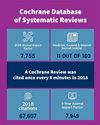
The Cochrane Database of Systematic Reviews (CDSR) stands as the premier database for systematic reviews in healthcare. It comprises Cochrane Reviews, along with protocols for these reviews, editorials, and supplements. Owned and operated by Cochrane, a worldwide independent network of healthcare stakeholders, the CDSR (ISSN 1469-493X) encompasses a broad spectrum of health-related topics, including health services.

 求助内容:
 应助结果提醒方式:


 京公网安备 11010802042870号


