Niranjan Sathianathen, Eu Chang Hwang, Sarah Jane Brown, Caitlin Bakker, Michael S Borofsky, Onuralp Ergun, Philipp Dahm
{"title":"Holmium laser enucleation of the prostate for the treatment of lower urinary tract symptoms in men with benign prostatic hyperplasia.","authors":"Niranjan Sathianathen, Eu Chang Hwang, Sarah Jane Brown, Caitlin Bakker, Michael S Borofsky, Onuralp Ergun, Philipp Dahm","doi":"10.1002/14651858.CD013291.pub2","DOIUrl":null,"url":null,"abstract":"<p><strong>Rationale: </strong>A range of surgical options is available for the treatment of benign prostatic hyperplasia (BPH), including holmium laser enucleation of the prostate (HoLEP). The evidence is unclear regarding differences in functional, perioperative, and morbidity outcomes between these modalities.</p><p><strong>Objectives: </strong>To assess the effects of holmium laser enucleation of the prostate compared with other surgical treatments for lower urinary tract symptoms in men with benign prostatic hyperplasia.</p><p><strong>Search methods: </strong>We searched multiple databases (including MEDLINE, Embase, CENTRAL, Web of Science, LILACS, and the International HTA database), trial registries, and conference abstracts through April 08, 2026.</p><p><strong>Eligibility criteria: </strong>We only included randomized trials of men over 40 years of age with a prostate volume of at least 20 mL (assessed by digital rectal examination, ultrasound, or conventional imaging) who exhibited lower urinary tract symptoms (LUTS) defined by an International Prostate Symptom Score (IPSS) of eight or greater undergoing surgical interventions for BPH.</p><p><strong>Outcomes: </strong>The critical outcomes measured were the urologic symptoms score, the quality-of-life score, and major adverse events. The important outcomes measured were: re-treatment, erectile function, ejaculatory function, transfusions, acute urinary retention, indwelling urinary catheter duration, and hospital stay duration.</p><p><strong>Risk of bias: </strong>We used the Cochrane risk of bias tool (RoB 1) to assess for potential sources of bias on a study and outcome level basis.</p><p><strong>Synthesis methods: </strong>We pooled outcome data using the random-effects model and performed meta-analyses using the Mantel-Haenszel method. We assessed statistical heterogeneity in the pooled data by visually inspecting forest plots and using the I<sup>2</sup> statistic to quantify it. We used the GRADE framework to assess the certainty of evidence.</p><p><strong>Included studies: </strong>We included 52 trials that included 6242 participants that compared HoLEP to other surgical interventions for benign prostatic hyperplasia. The median age of participants across the studies ranged from 65 to 74 years. The baseline prostate volume ranged from 30 cc to 142 cc. Baseline IPSS scores ranged from 19.6 to 28.6 (range 0-35).</p><p><strong>Synthesis of results: </strong>We prioritized comparing HoLEP with transurethral resection of the prostate (TURP) at short-term follow-up (up to 12 months), because TURP is the long-standing reference standard and the predominant comparator in randomized surgical trials. Findings for the four remaining comparisons (laser ablation, alternative energy source enucleation, other minimally invasive therapies, and simple prostatectomy), for long-term follow-up, and for all remaining outcomes are reported in full in the review. Compared to TURP, at short-term follow-up: Critical outcomes - HoLEP may result in little to no difference in short-term urologic symptom scores measured using the IPSS (range 0 to 35; lower values reflect fewer symptoms) (MD -0.67, 95% CI -1.20 to -0.14; I² = 93%; 14 studies, 1666 participants, low-certainty evidence). - HoLEP may result in little to no difference in short-term quality of life (range 0 to 6; lower values reflect better quality of life) (MD -0.04, 95% CI -0.23 to 0.15; I² = 73%; 6 studies, 876 participants, low-certainty evidence). - HoLEP may result in little to no difference in short-term major adverse events (RR 0.75, 95% CI 0.35 to 1.58; I² = 0%; 10 studies, 1147 participants, low-certainty evidence). Important outcomes - HoLEP likely results in little to no difference in re-treatment (RR 0.45, 95% CI 0.14 to 1.50; I² = 0%; 8 studies, 813 participants, moderate-certainty evidence). - HoLEP likely results in little to no difference in erectile function (MD -0.03, 95% CI -0.47 to 0.42; I² = 0%; 3 studies, 518 participants, moderate-certainty evidence). - Ejaculatory function: we did not find any data for this outcome. - HoLEP likely reduces the need for blood transfusion (RR 0.19, 95% CI 0.09 to 0.42; I² = 0%; 15 studies, 1755 participants, moderate-certainty evidence).</p><p><strong>Authors' conclusions: </strong>Compared with TURP, HoLEP may achieve similar relief of urologic symptoms, similar quality of life, and similar rates of major adverse events in the first 12 months after surgery, and probably similar re-treatment rates and erectile function. HoLEP likely reduces the need for blood transfusion; this is the only advantage of HoLEP that the randomized evidence, as summarized here, supports as clinically important. There was insufficient evidence to assess outcomes in the subset of individuals with larger prostates or on anticoagulation. Future research should prioritize long-term trials reporting sexual function and urinary incontinence outcomes, recruit men with very large prostates (≥ 150 cc) or on anticoagulation therapy, and evaluate cost-effectiveness and training requirements.</p><p><strong>Funding: </strong>No external funding was received for this review.</p><p><strong>Registration: </strong>The protocol for this review was published in the Cochrane Database 2019 (https://doi.org/10.1002/14651858.CD013291).</p>","PeriodicalId":10473,"journal":{"name":"Cochrane Database of Systematic Reviews","volume":"9 ","pages":"CD013291"},"PeriodicalIF":11.1000,"publicationDate":"2026-09-09","publicationTypes":"Journal Article","fieldsOfStudy":null,"isOpenAccess":false,"openAccessPdf":"https://www.ncbi.nlm.nih.gov/pmc/articles/PMC13555771/pdf/","citationCount":"0","resultStr":null,"platform":"Semanticscholar","paperid":null,"PeriodicalName":"Cochrane Database of Systematic Reviews","FirstCategoryId":"3","ListUrlMain":"https://doi.org/10.1002/14651858.CD013291.pub2","RegionNum":2,"RegionCategory":"医学","ArticlePicture":[],"TitleCN":null,"AbstractTextCN":null,"PMCID":null,"EPubDate":"","PubModel":"","JCR":"Q1","JCRName":"MEDICINE, GENERAL & INTERNAL","Score":null,"Total":0}
引用次数: 0
Abstract
Rationale: A range of surgical options is available for the treatment of benign prostatic hyperplasia (BPH), including holmium laser enucleation of the prostate (HoLEP). The evidence is unclear regarding differences in functional, perioperative, and morbidity outcomes between these modalities.
Objectives: To assess the effects of holmium laser enucleation of the prostate compared with other surgical treatments for lower urinary tract symptoms in men with benign prostatic hyperplasia.
Search methods: We searched multiple databases (including MEDLINE, Embase, CENTRAL, Web of Science, LILACS, and the International HTA database), trial registries, and conference abstracts through April 08, 2026.
Eligibility criteria: We only included randomized trials of men over 40 years of age with a prostate volume of at least 20 mL (assessed by digital rectal examination, ultrasound, or conventional imaging) who exhibited lower urinary tract symptoms (LUTS) defined by an International Prostate Symptom Score (IPSS) of eight or greater undergoing surgical interventions for BPH.
Outcomes: The critical outcomes measured were the urologic symptoms score, the quality-of-life score, and major adverse events. The important outcomes measured were: re-treatment, erectile function, ejaculatory function, transfusions, acute urinary retention, indwelling urinary catheter duration, and hospital stay duration.
Risk of bias: We used the Cochrane risk of bias tool (RoB 1) to assess for potential sources of bias on a study and outcome level basis.
Synthesis methods: We pooled outcome data using the random-effects model and performed meta-analyses using the Mantel-Haenszel method. We assessed statistical heterogeneity in the pooled data by visually inspecting forest plots and using the I2 statistic to quantify it. We used the GRADE framework to assess the certainty of evidence.
Included studies: We included 52 trials that included 6242 participants that compared HoLEP to other surgical interventions for benign prostatic hyperplasia. The median age of participants across the studies ranged from 65 to 74 years. The baseline prostate volume ranged from 30 cc to 142 cc. Baseline IPSS scores ranged from 19.6 to 28.6 (range 0-35).
Synthesis of results: We prioritized comparing HoLEP with transurethral resection of the prostate (TURP) at short-term follow-up (up to 12 months), because TURP is the long-standing reference standard and the predominant comparator in randomized surgical trials. Findings for the four remaining comparisons (laser ablation, alternative energy source enucleation, other minimally invasive therapies, and simple prostatectomy), for long-term follow-up, and for all remaining outcomes are reported in full in the review. Compared to TURP, at short-term follow-up: Critical outcomes - HoLEP may result in little to no difference in short-term urologic symptom scores measured using the IPSS (range 0 to 35; lower values reflect fewer symptoms) (MD -0.67, 95% CI -1.20 to -0.14; I² = 93%; 14 studies, 1666 participants, low-certainty evidence). - HoLEP may result in little to no difference in short-term quality of life (range 0 to 6; lower values reflect better quality of life) (MD -0.04, 95% CI -0.23 to 0.15; I² = 73%; 6 studies, 876 participants, low-certainty evidence). - HoLEP may result in little to no difference in short-term major adverse events (RR 0.75, 95% CI 0.35 to 1.58; I² = 0%; 10 studies, 1147 participants, low-certainty evidence). Important outcomes - HoLEP likely results in little to no difference in re-treatment (RR 0.45, 95% CI 0.14 to 1.50; I² = 0%; 8 studies, 813 participants, moderate-certainty evidence). - HoLEP likely results in little to no difference in erectile function (MD -0.03, 95% CI -0.47 to 0.42; I² = 0%; 3 studies, 518 participants, moderate-certainty evidence). - Ejaculatory function: we did not find any data for this outcome. - HoLEP likely reduces the need for blood transfusion (RR 0.19, 95% CI 0.09 to 0.42; I² = 0%; 15 studies, 1755 participants, moderate-certainty evidence).
Authors' conclusions: Compared with TURP, HoLEP may achieve similar relief of urologic symptoms, similar quality of life, and similar rates of major adverse events in the first 12 months after surgery, and probably similar re-treatment rates and erectile function. HoLEP likely reduces the need for blood transfusion; this is the only advantage of HoLEP that the randomized evidence, as summarized here, supports as clinically important. There was insufficient evidence to assess outcomes in the subset of individuals with larger prostates or on anticoagulation. Future research should prioritize long-term trials reporting sexual function and urinary incontinence outcomes, recruit men with very large prostates (≥ 150 cc) or on anticoagulation therapy, and evaluate cost-effectiveness and training requirements.
Funding: No external funding was received for this review.
Registration: The protocol for this review was published in the Cochrane Database 2019 (https://doi.org/10.1002/14651858.CD013291).
期刊介绍:
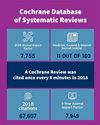
The Cochrane Database of Systematic Reviews (CDSR) stands as the premier database for systematic reviews in healthcare. It comprises Cochrane Reviews, along with protocols for these reviews, editorials, and supplements. Owned and operated by Cochrane, a worldwide independent network of healthcare stakeholders, the CDSR (ISSN 1469-493X) encompasses a broad spectrum of health-related topics, including health services.

 求助内容:
 应助结果提醒方式:


 京公网安备 11010802042870号


