
Bioactive nanofibers covered stent with matched mechanics and durable gemcitabine release for treating esophageal cancer
IF 9.4
2区 材料科学
Q1 CHEMISTRY, PHYSICAL
引用次数: 0
Abstract
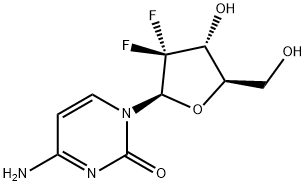
Abstract Developing a drug-eluting esophageal stent (DEES), which provides both mechanical support and local chemotherapy, represents a preferred treatment option for patients with advanced esophageal cancer. However, existing DEES have limitations such as drug loading via surface micro/nano-structures or physical blending of drugs into polymer covering, often lead to issues like initial burst release, short-lasting therapeutic effects, or compromised mechanical properties. To address the above challenges, we synthesized gemcitabine (GEM) blocked biodegradable polyurethane (PG) and then covered it around the surface of NiTi stent via electrospinning to form nanofibers covered stent. This electrospun PG nanofibers achieved firm adhesion without compromising the original mechanical integrity of NiTi stent. In vitro data demonstrated that the PG fibers presented prominent antitumor therapy effect and antiangiogenesis ability, as well as enabled degradation-associated drug release, resulting in less than 1% initial burst release within 24 hours and sustained release over 24 weeks. In vivo assessments indicated the PG fibers could continuously inhibit tumor growth by inducing tumor cell apoptosis and suppressing tumor angiogenesis. This study demonstrates the bioactive nanofibers covered stent with matched mechanics and durable efficacious antitumor, which could offer a potential strategy for treating esophageal cancer via local chemotherapy.生物活性纳米纤维覆盖支架,具有匹配的力学和持久的吉西他滨释放治疗食管癌
开发药物洗脱型食管支架(DEES),提供机械支持和局部化疗,是晚期食管癌患者的首选治疗方案。然而,现有的dee具有局限性,例如通过表面微/纳米结构装载药物或将药物物理混合到聚合物覆盖层中,通常会导致诸如初始爆发释放,短期治疗效果或机械性能受损等问题。为了解决上述问题,我们合成了吉西他滨(GEM)阻断的生物可降解聚氨酯(PG),然后通过静电纺丝将其覆盖在NiTi支架表面,形成纳米纤维覆盖支架。这种静电纺丝的PG纳米纤维在不影响镍钛支架原有机械完整性的情况下实现了牢固的粘附。体外数据表明,PG纤维具有显著的抗肿瘤治疗作用和抗血管生成能力,并能使降解相关药物释放,24小时内初始爆发释放小于1%,24周内持续释放。体内实验表明,PG纤维可通过诱导肿瘤细胞凋亡和抑制肿瘤血管生成来持续抑制肿瘤生长。本研究表明,纳米纤维覆盖支架具有良好的抗肿瘤活性和持久的抗肿瘤效果,为食管癌局部化疗提供了一种潜在的治疗策略。
本文章由计算机程序翻译,如有差异,请以英文原文为准。
求助全文
约1分钟内获得全文
求助全文
来源期刊
Nano Research
化学-材料科学:综合
CiteScore
14.30
自引率
11.10%
发文量
2574
审稿时长
1.7 months
期刊介绍:
Nano Research is a peer-reviewed, international and interdisciplinary research journal that focuses on all aspects of nanoscience and nanotechnology. It solicits submissions in various topical areas, from basic aspects of nanoscale materials to practical applications. The journal publishes articles on synthesis, characterization, and manipulation of nanomaterials; nanoscale physics, electrical transport, and quantum physics; scanning probe microscopy and spectroscopy; nanofluidics; nanosensors; nanoelectronics and molecular electronics; nano-optics, nano-optoelectronics, and nano-photonics; nanomagnetics; nanobiotechnology and nanomedicine; and nanoscale modeling and simulations. Nano Research offers readers a combination of authoritative and comprehensive Reviews, original cutting-edge research in Communication and Full Paper formats. The journal also prioritizes rapid review to ensure prompt publication.
文献相关原料
原料信息
原料厂家
 求助内容:
 应助结果提醒方式:


 京公网安备 11010802042870号


