
Exploring the Mechanism of Dandelion in Treating Helicobacter pylori-Induced Chronic Gastritis Based on Network Pharmacology
IF 3.6
4区 医学
Q4 PHARMACOLOGY & PHARMACY
引用次数: 0
Abstract
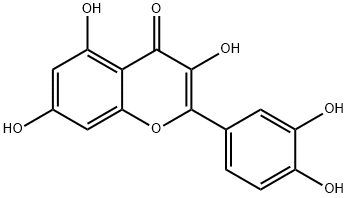
Background Helicobacter pylori-induced chronic gastritis (HAG) is a significant healthcare burden in China due to its prevalence and carcinogenic potential. Current clinical management relies on antimicrobial therapies, such as bismuth-based quadruple therapy. This study aimed to explore Traditional Chinese Medicine (TCM)’s protective effect against long-term antibiotic therapy-induced injury, such as rising resistance, reduced eradication rates, and increasing adverse effects (gut microbiota dysbiosis and drug allergies). Methods To address these limitations, bioactive components of dandelion were screened from multiple TCM databases using ADME-based pharmacokinetic filters, and their targets were predicted using SwissTargetPrediction. Disease-associated targets were retrieved from GEO, GeneCards, and OMIM, followed by PPI network construction, GO/KEGG enrichment, molecular docking, and GSEA validation to prioritize candidate targets for experimental validation. Blood-absorbed components were further confirmed by UPLC–MS serum analysis. The therapeutic effects and underlying mechanisms were subsequently validated in an H. pylori-infected C57BL/6 mouse model and GES-1 cells through histological evaluation, qRT-PCR quantification of pathway-related gene expression, and Western blot analysis of PI3K/AKT total and phosphorylated protein levels. Results Quercetin was identified as the principal active component, demonstrating strong binding affinity to AKT1 and upregulating PI3K/AKT phosphorylation. In vivo, quercetin inhibited HAG progression and enhanced the efficacy of quadruple therapy, improving body weight recovery, inflammation resolution, and cure time. Conclusion Quercetin enhanced quadruple therapy by boosting immunity, shortening treatment duration, and promoting gastric mucosal recovery. While this study delineates the mechanism of a single active compound via the PI3K/AKT axis, the holistic therapeutic potential of dandelion may rely on multi-component synergistic interactions. Future large-scale clinical trials are needed to optimize TCM-antibiotic combinations, offering safer, personalized therapy for HAG.基于网络药理学探讨蒲公英治疗幽门螺杆菌所致慢性胃炎的机制
背景幽门螺杆菌引起的慢性胃炎(HAG)由于其患病率和致癌性,在中国是一个重大的医疗负担。目前的临床治疗依赖于抗菌治疗,如以铋为基础的四联疗法。本研究旨在探讨中药对长期抗生素治疗引起的损伤的保护作用,如耐药性上升、根除率降低和不良反应增加(肠道菌群失调和药物过敏)。方法利用基于adme的药代动力学过滤器从多个中药数据库中筛选蒲公英的生物活性成分,并利用SwissTargetPrediction预测其靶点。从GEO、GeneCards和OMIM中检索疾病相关靶点,随后进行PPI网络构建、GO/KEGG富集、分子对接和GSEA验证,以优先考虑实验验证的候选靶点。UPLC-MS血清分析进一步证实血吸收成分。随后,在幽门螺杆菌感染的C57BL/6小鼠模型和gs -1细胞中,通过组织学评估、途径相关基因表达的qRT-PCR定量以及PI3K/AKT总蛋白和磷酸化蛋白水平的Western blot分析,验证了其治疗效果和潜在机制。结果槲皮素为主要活性成分,与AKT1具有较强的结合亲和力,可上调PI3K/AKT磷酸化。在体内,槲皮素抑制HAG进展,增强四联疗法的疗效,改善体重恢复、炎症消退和治愈时间。结论槲皮素具有增强机体免疫力、缩短治疗时间、促进胃粘膜恢复等作用。虽然本研究通过PI3K/AKT轴描述了单一活性化合物的机制,但蒲公英的整体治疗潜力可能依赖于多组分的协同相互作用。未来需要大规模的临床试验来优化中药-抗生素组合,为HAG提供更安全、个性化的治疗。
本文章由计算机程序翻译,如有差异,请以英文原文为准。
求助全文
约1分钟内获得全文
求助全文
来源期刊
CiteScore
1.50
自引率
0.00%
发文量
85
审稿时长
3 months
期刊介绍:
Aims & Scope
Current Pharmaceutical Analysis publishes expert reviews and original research articles on all the most recent advances in pharmaceutical and biomedical analysis. All aspects of the field are represented including drug analysis, analytical methodology and instrumentation. The journal is essential to all involved in pharmaceutical, biochemical and clinical analysis.
文献相关原料
原料信息
原料厂家
 求助内容:
 应助结果提醒方式:


 京公网安备 11010802042870号


